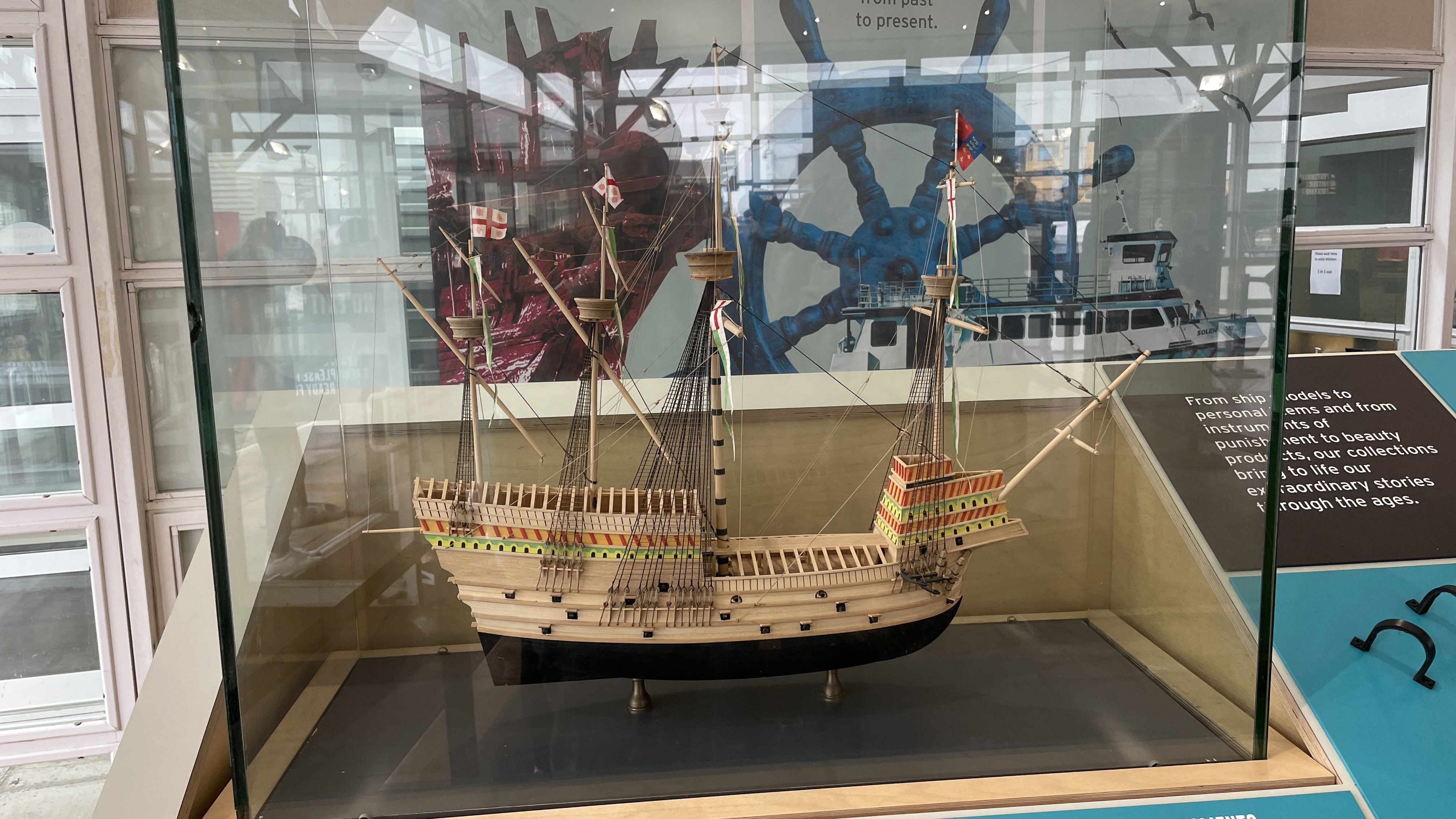
Ok, boys and girls, gather ‘round. Today I’m going to tell you the story of an ill-fated ship called The Mary Rose.
The Mary Rose was launched in 1511 as a warship by Henry VIII. It was the pride of his fleet. Originally rated at 500 tons, it had been modified later to 700-800 tons, with over 90 cannons and guns, and carrying 500 people, it would have been a powerhouse, but historically a nimble one. That perception may have led to its downfall.
In 1545, the French attacked England near the Isle of Wight with 128 ships. The English had around 80 ships to defend the coast. The Mary Rose, being Henry’s flagship led the defence. Unfortunately, early in the battle, something went wrong.
Nobody knows for sure what caused it, but suddenly the ship leaned heavily to the starboard side and water began rushing in the gunports. Equipment, ammunition, massive cannons, all began to shift and come loose, crushing men and probably making further holes in the hull. (By the way, this is probably where the term “loose cannon” comes from. Not from the Mary Rose in particular, but from the fact that a loose cannon would wreak havoc in a ship.)
The ship sank incredibly quickly. Of the 500 men on board, only 35 managed to escape with their lives, mostly those that were up on the masts working the rigging.
As I said, the cause of the sinking is unknown, but it probably was the additions that had been made to the ship over the years. It was much heavier than originally planned and sat much lower in the water. Turns that could have been made easily in previous years now put the gunports too close to the water. When it tried to make one of the fast turns it was famed for, the gunports flooded and the ship sank.
It lay at the bottom of the Solent, the narrow stretch of water between the Isle of Wight and the mainland for nearly 500 years. They tried to salvage it immediately after the sinking, but only the sails and rigging were recovered. The starboard side was just too deeply imbedded in the mud and muck of the channel and the location was soon forgotten.
In 1836, a group of fishermen hired a diver to find out why their nets kept snagging. The diver discovered the wreck and it was identified by some of the markings on the bronze cannons that were salvaged.
It was rediscovered in 1970, although the port side of the ship had long rotted away and the remaining half was covered in mud, necessitating the use of sonar to locate it. The location was kept secret as British law regarding shipwrecks has always basically been: if you can bring it up, it’s yours. A new law had to be passed to protect the ship while recovery efforts were made. Nearly another decade passed while the wreck was uncovered, explored, catalogued, and plans made to raise the ship.
Finally, on 11 October, 1982, a complicated frame slowly brought the ship up above the water for the first time in nearly 500 years. It was taken to dry dock at Portsmouth and a museum was constructed around it….which is where we come in.
Yesterday was Kyla’s birthday. She got the choice to do whatever she wanted and she chose to go to Portsmouth to see the Mary Rose museum. It’s located in the Dockyards in Portsmouth. Most of this still an active Naval base, with nearly 20,000 employees, and home to 2/3 of the Royal Navy’s ships. A portion, called the Historic Dockyard, is open to the public and is home to the Mary Rose, HMS Victory (Admiral Nelson’s ship), and various other ships of historical interest.
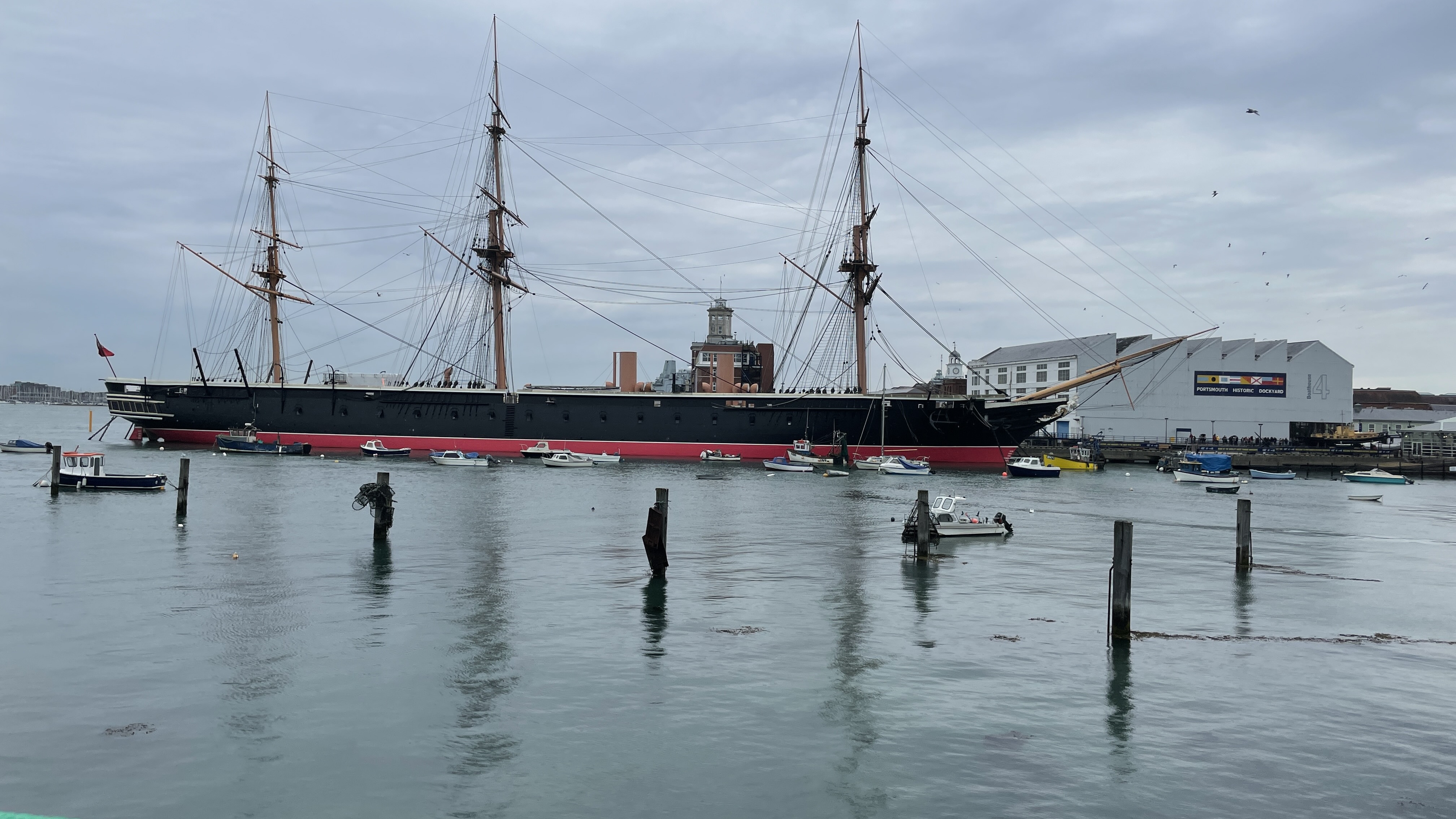
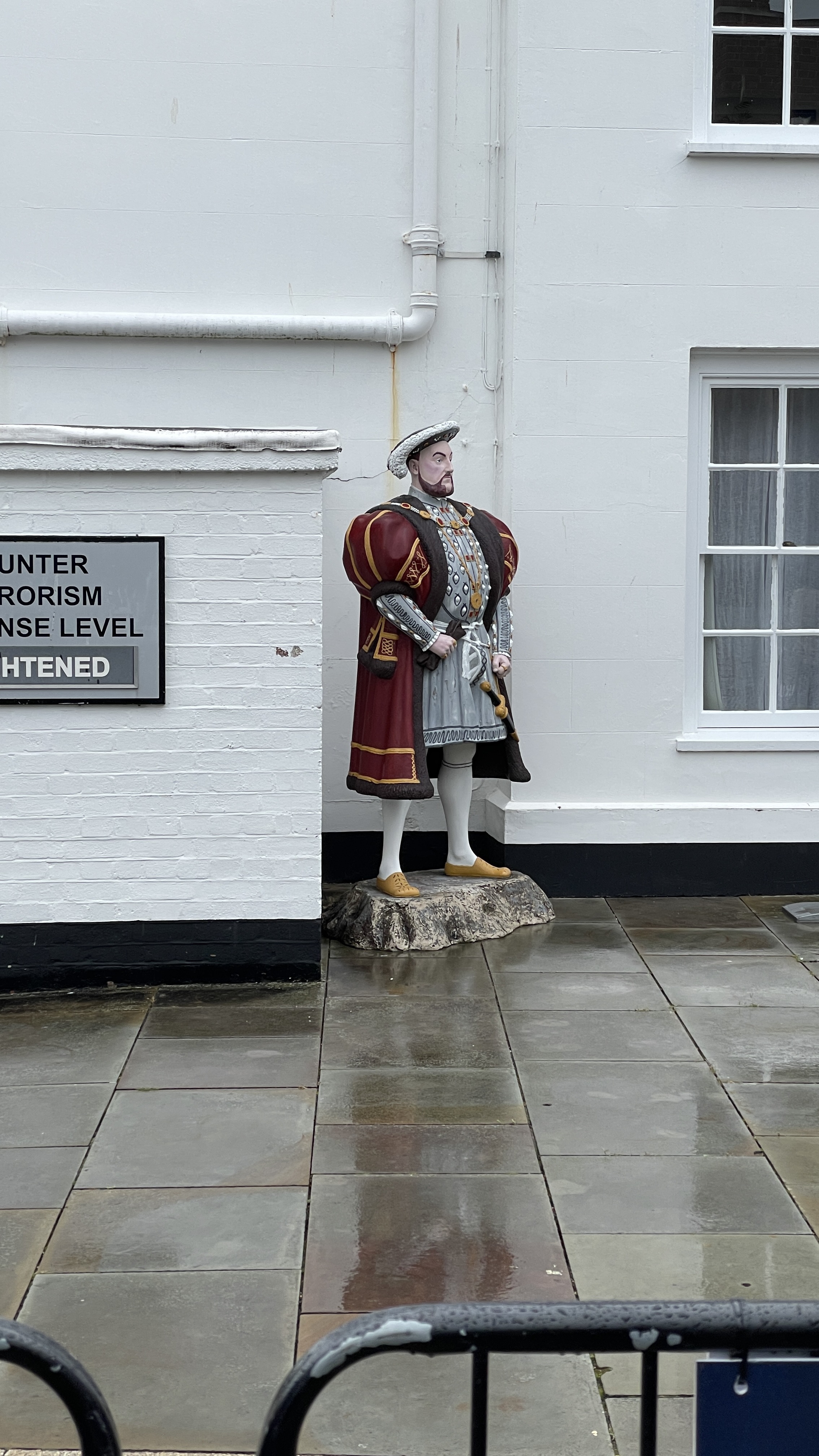
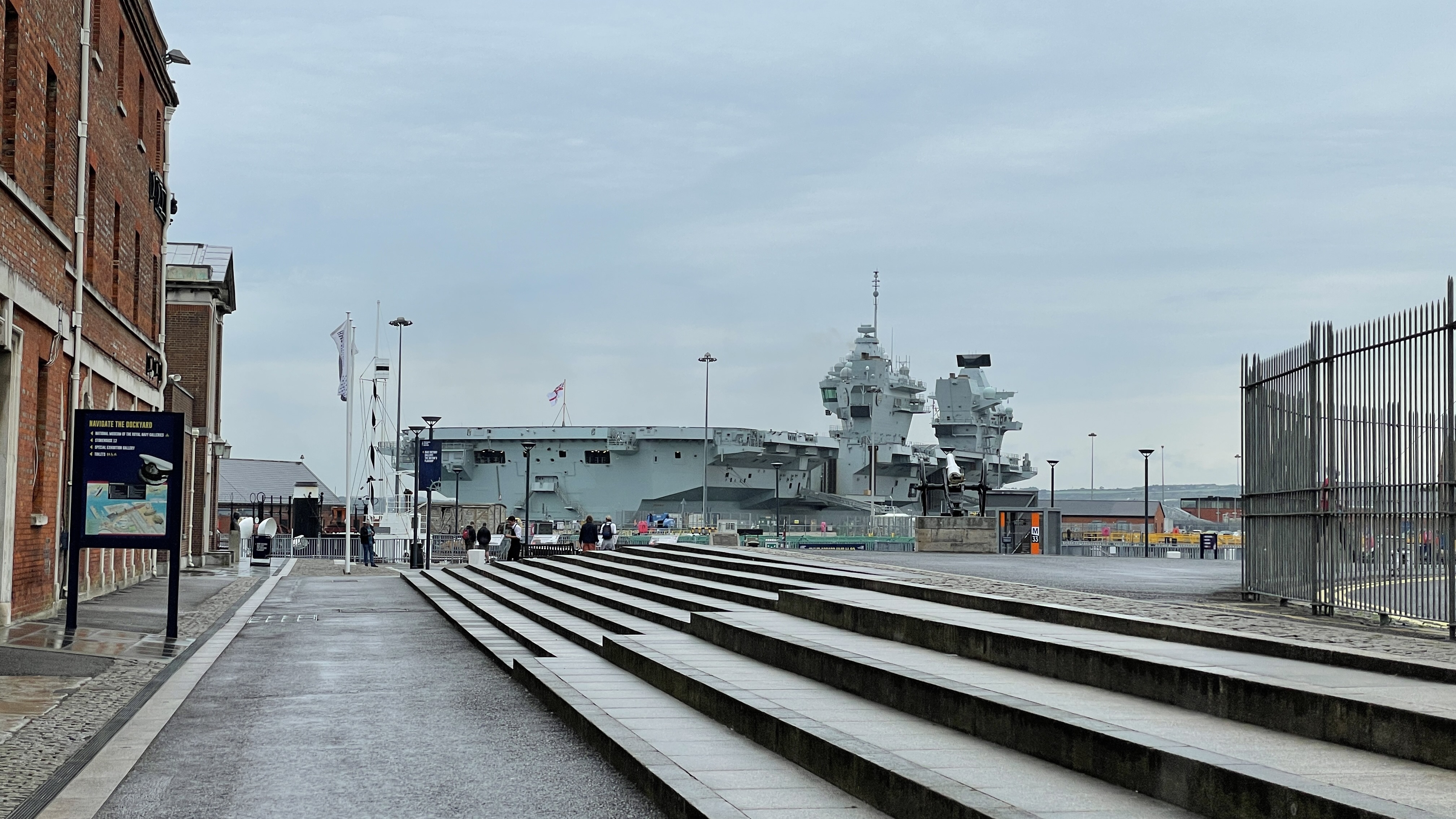
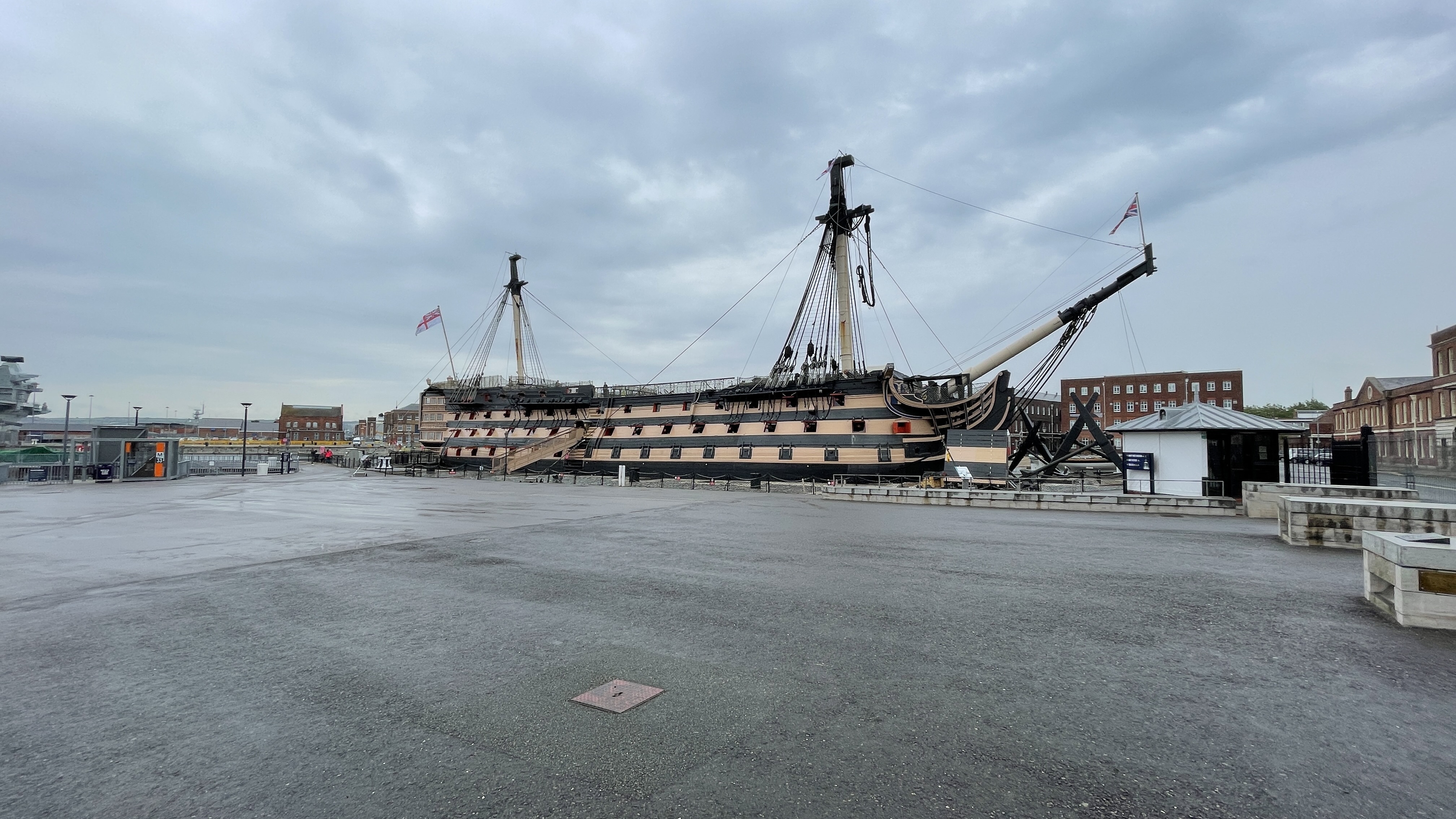
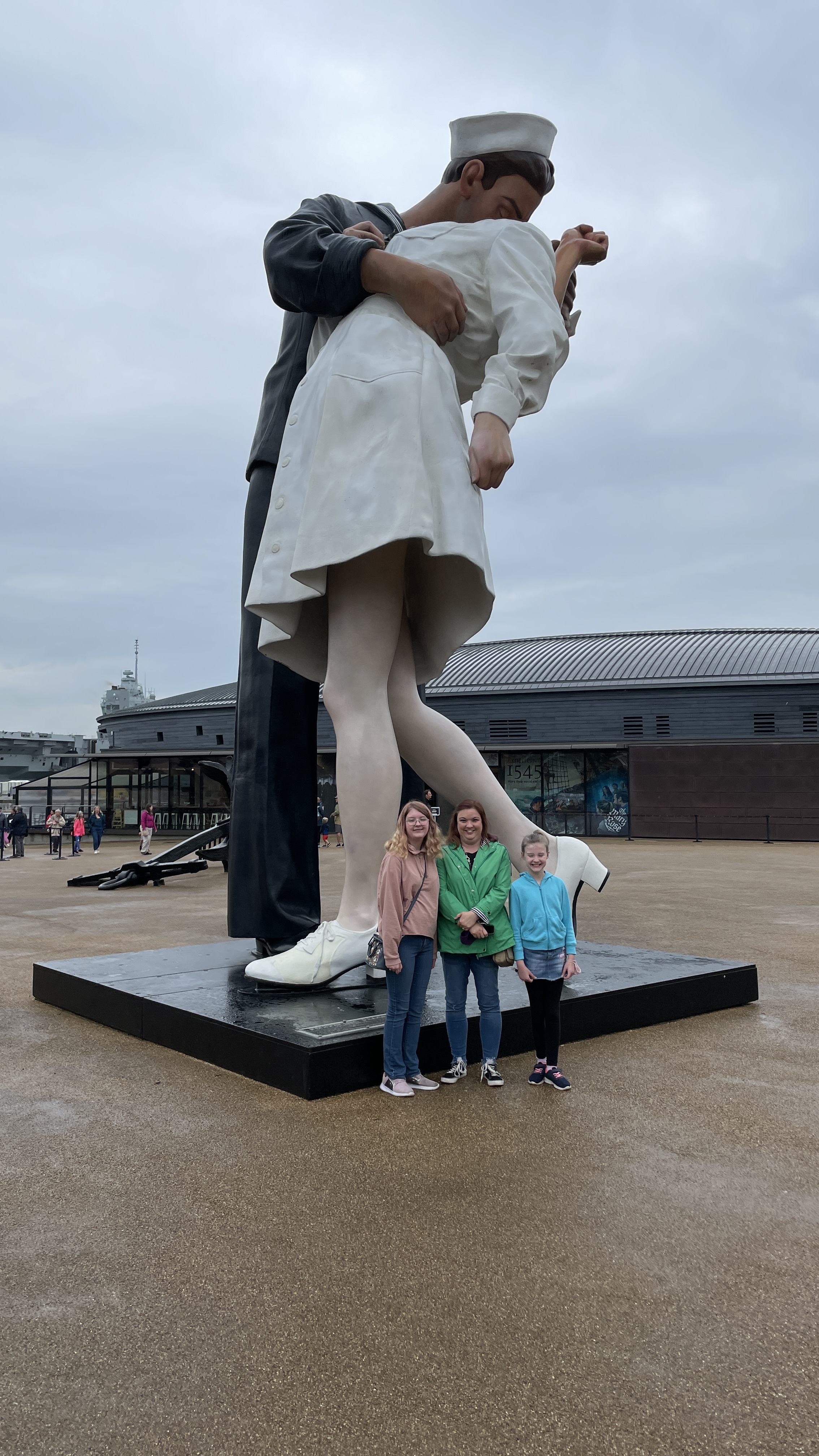

The Mary Rose Museum itself is on the far side of the dockyard, a very modern looking building that was built around the wreck of the ship. Outside the entrance, we were greeted by King Henry VIII himself.
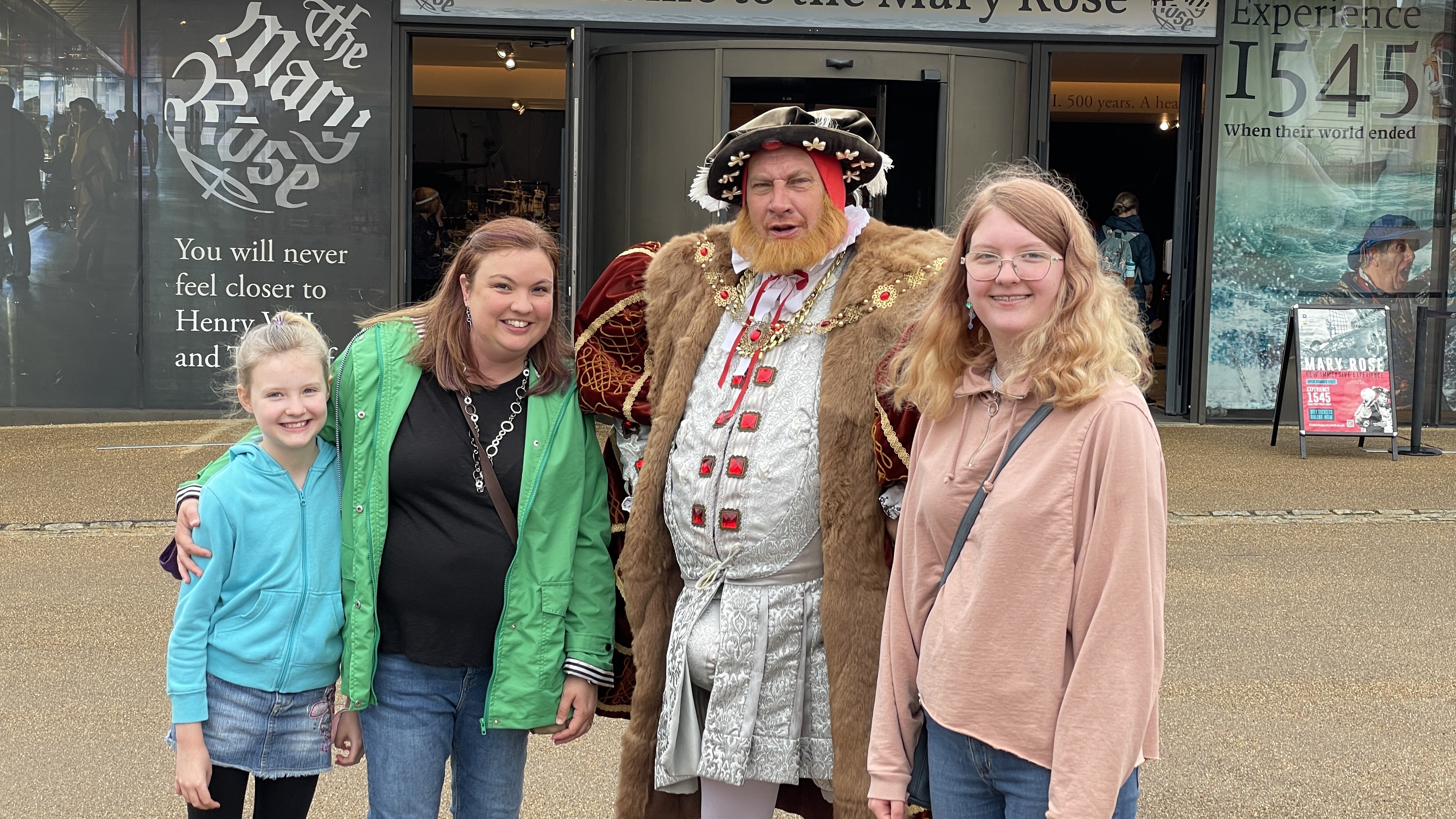
If you look closely, you can see that his costume was VERY accurate.
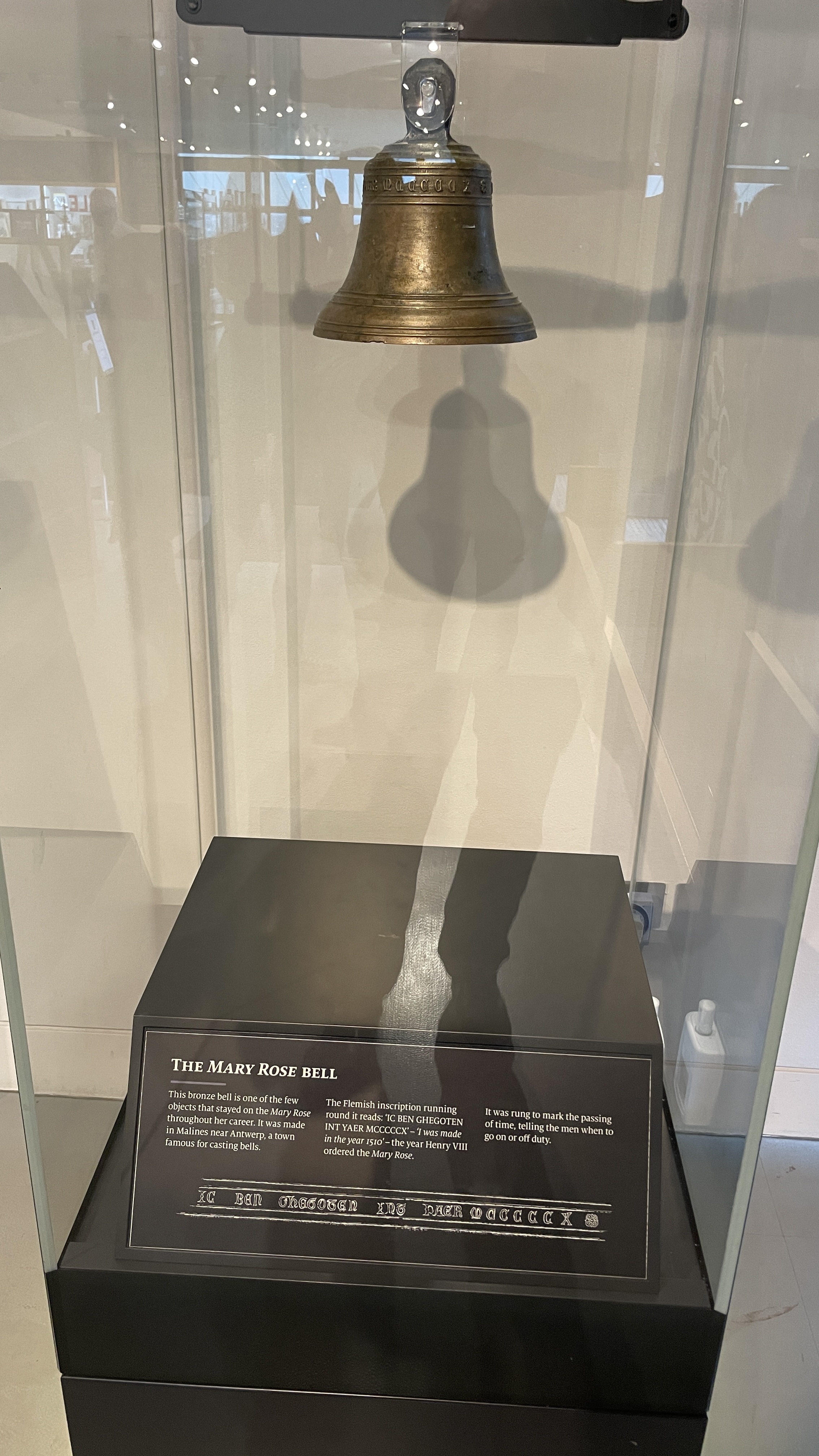
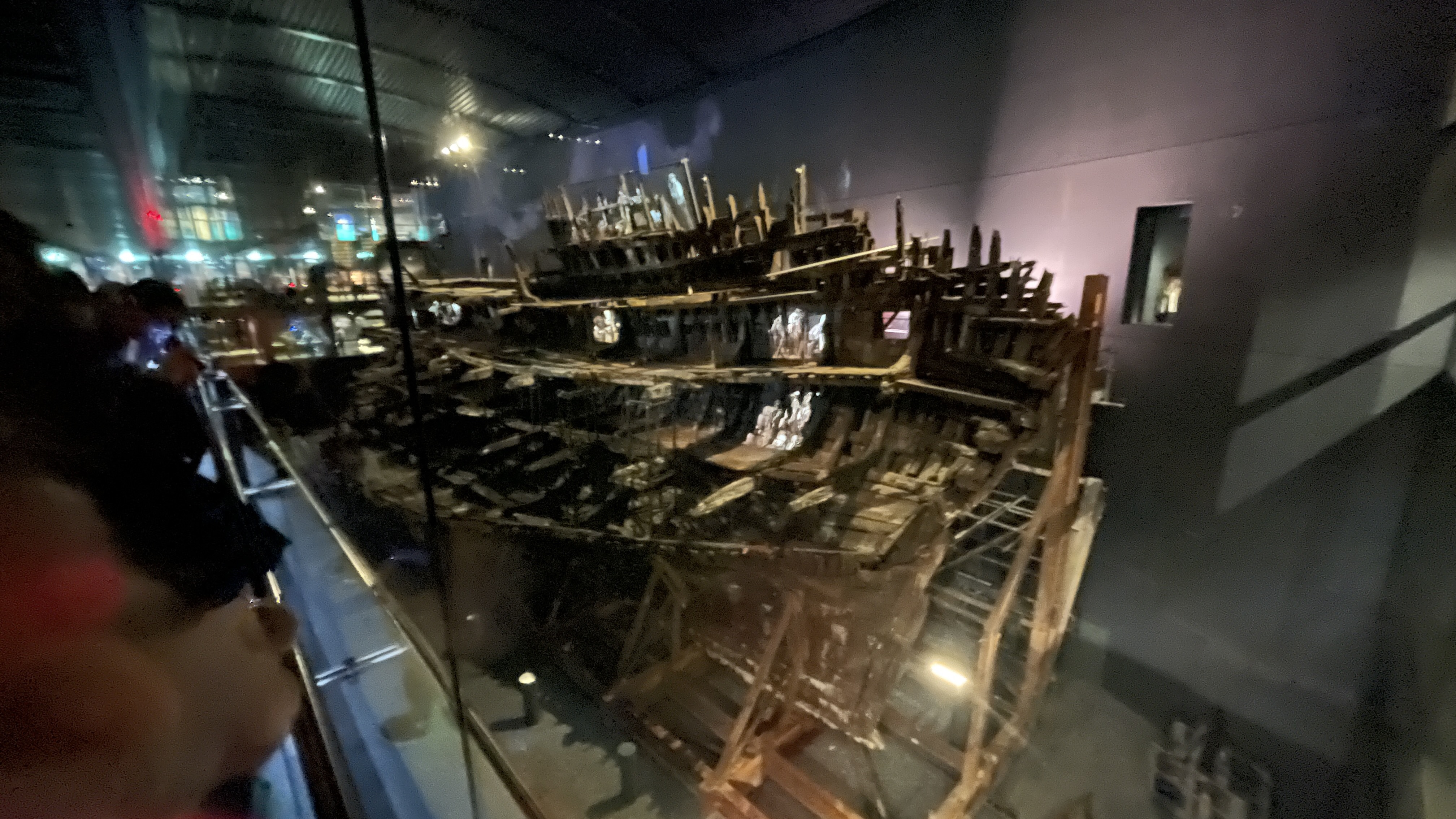
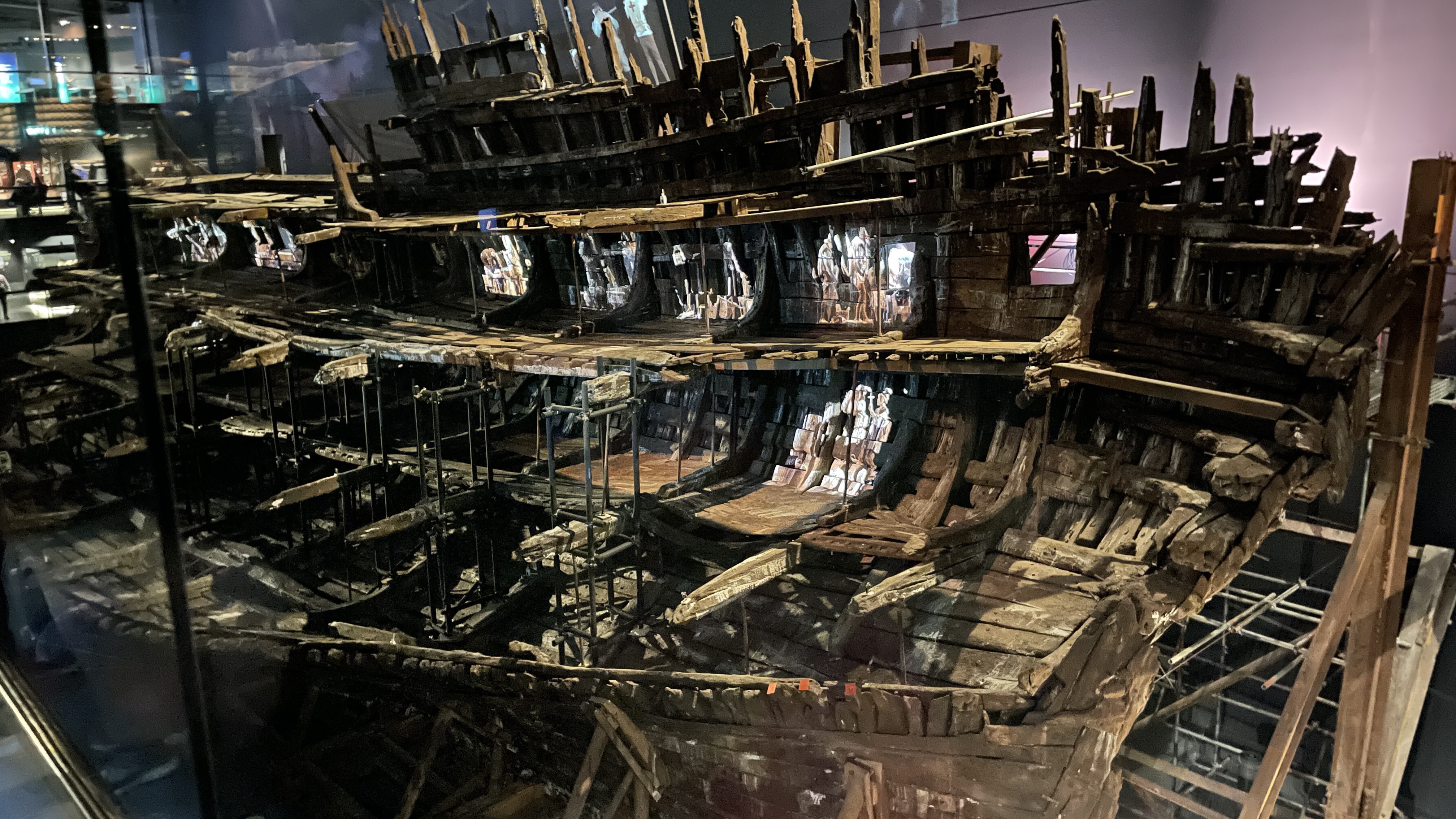
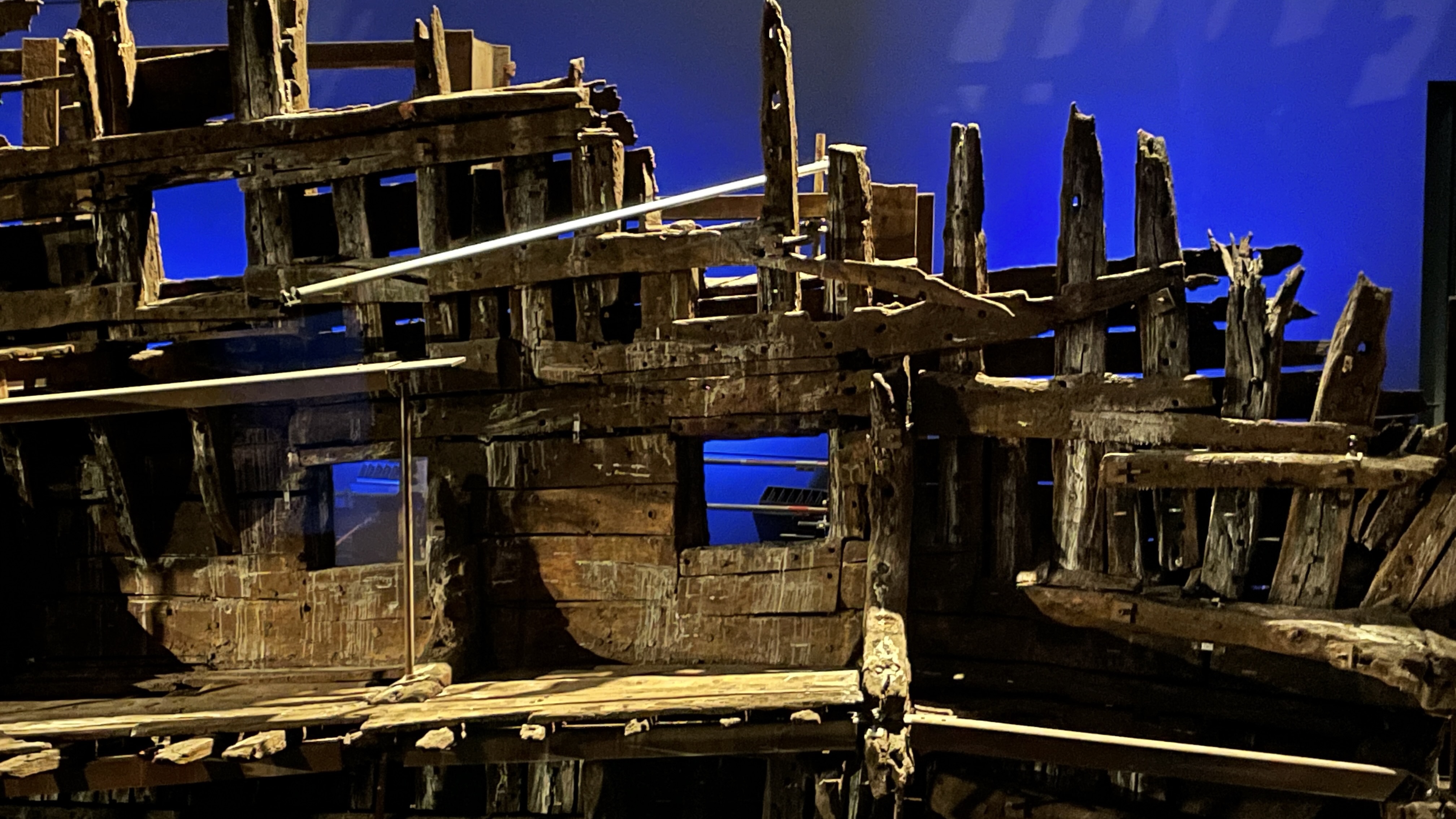
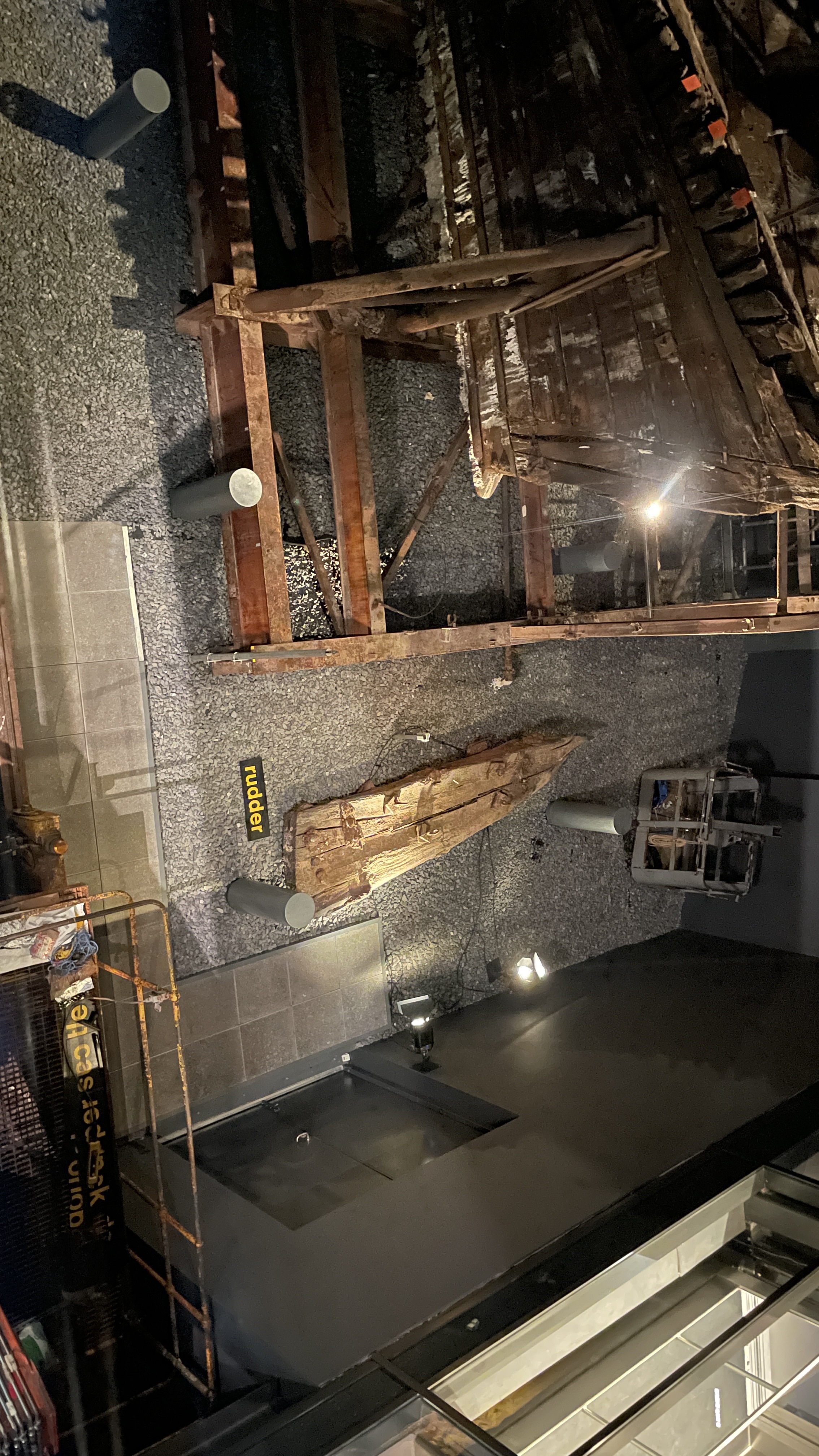
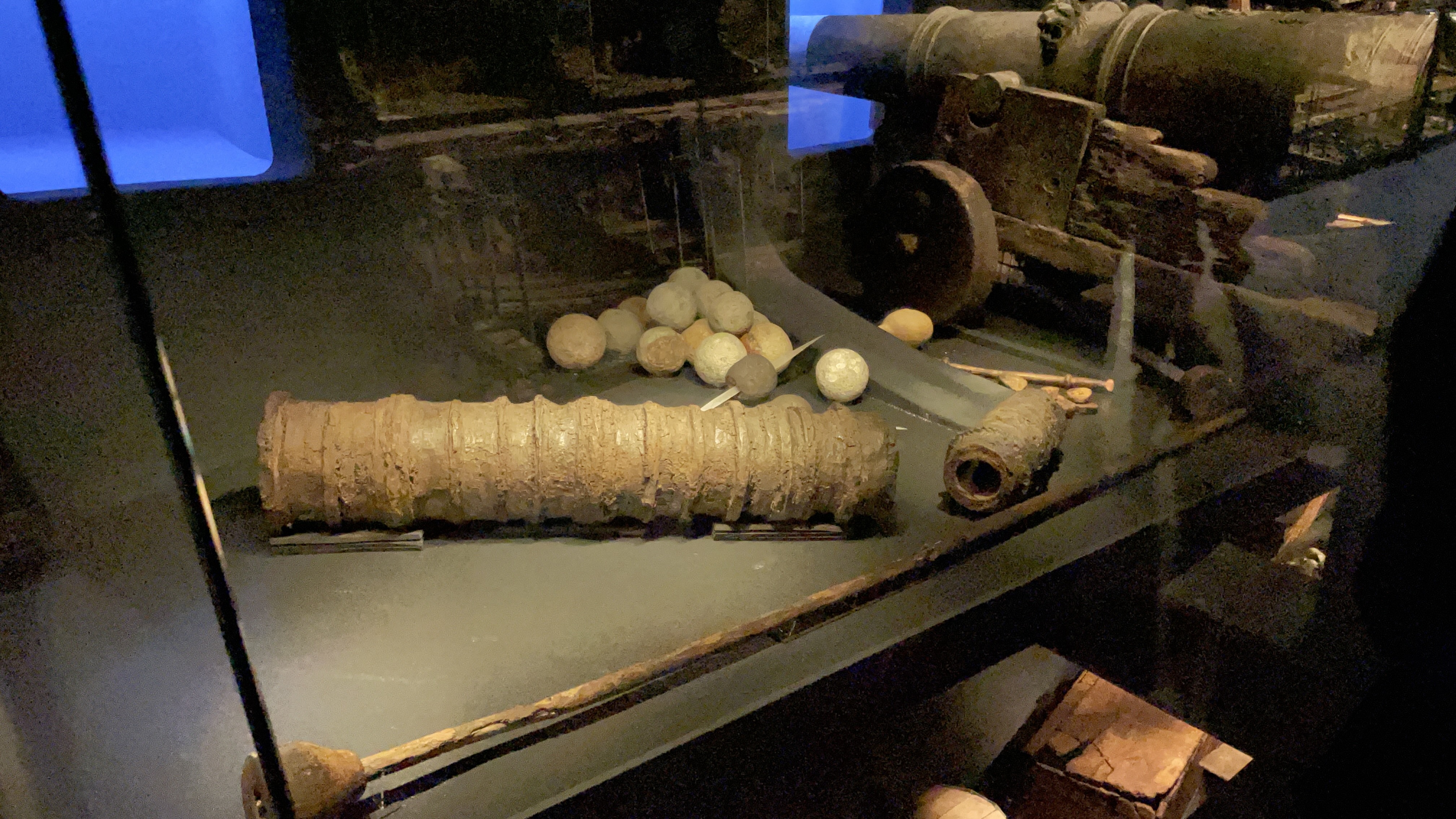
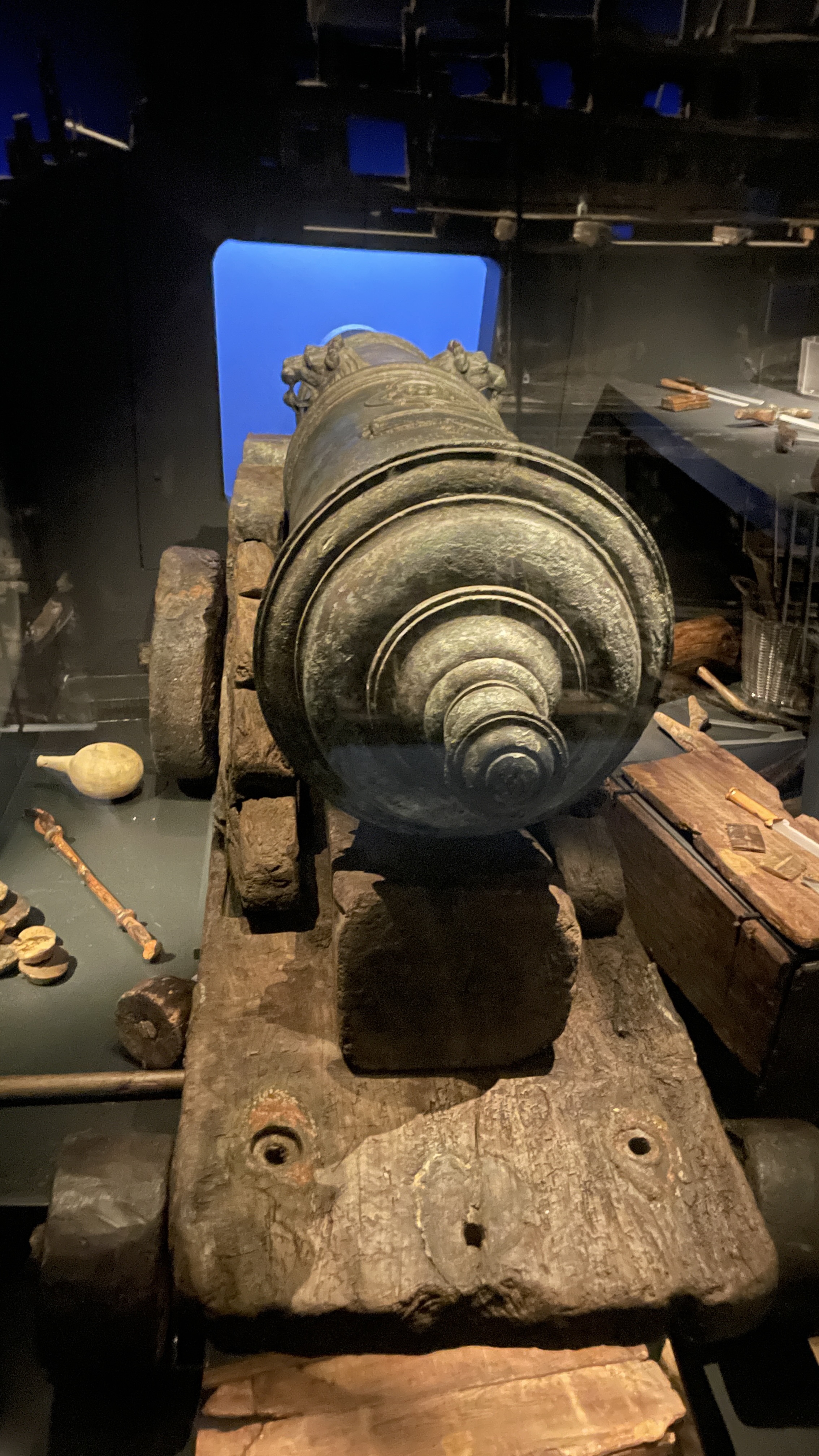
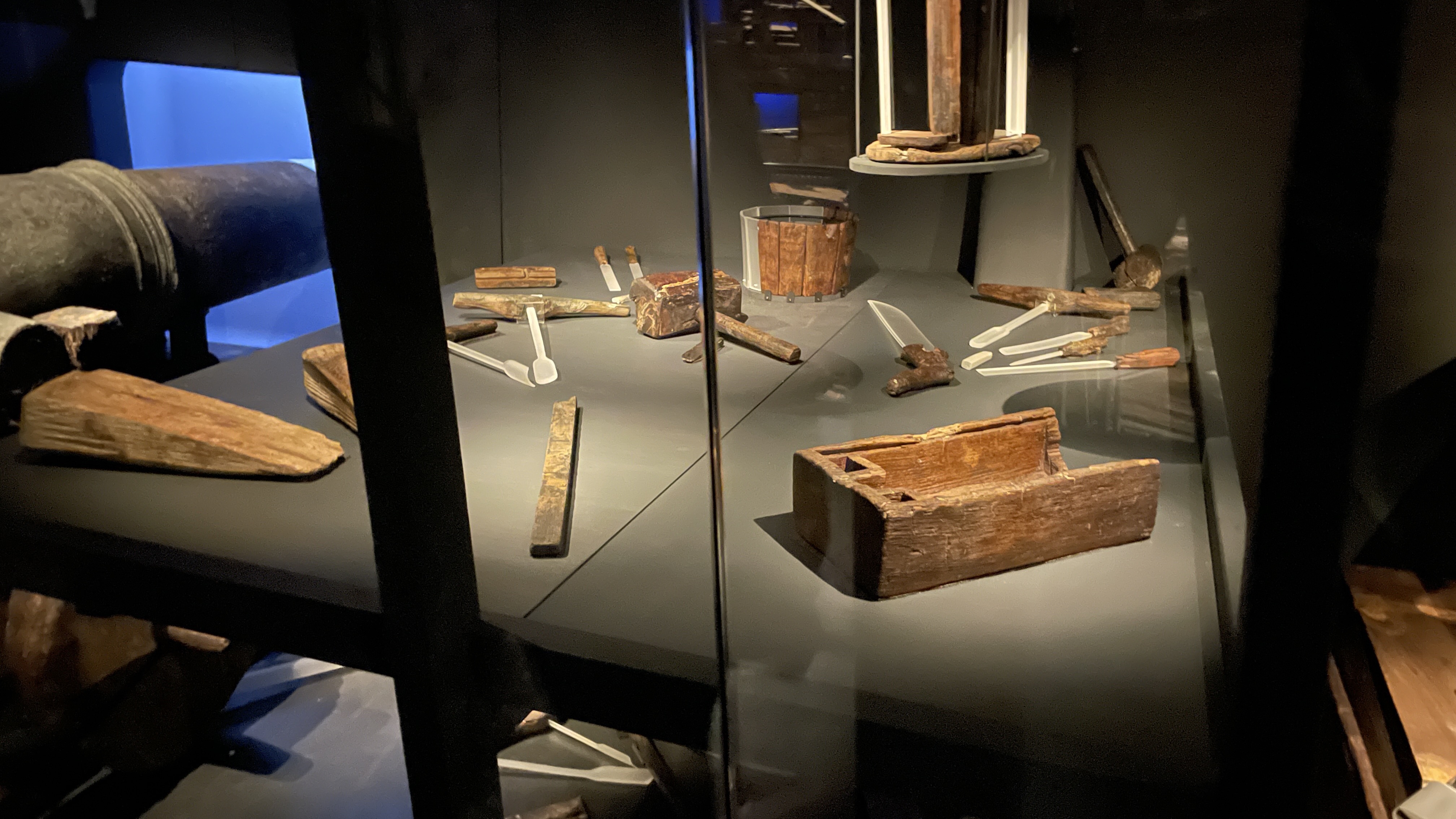
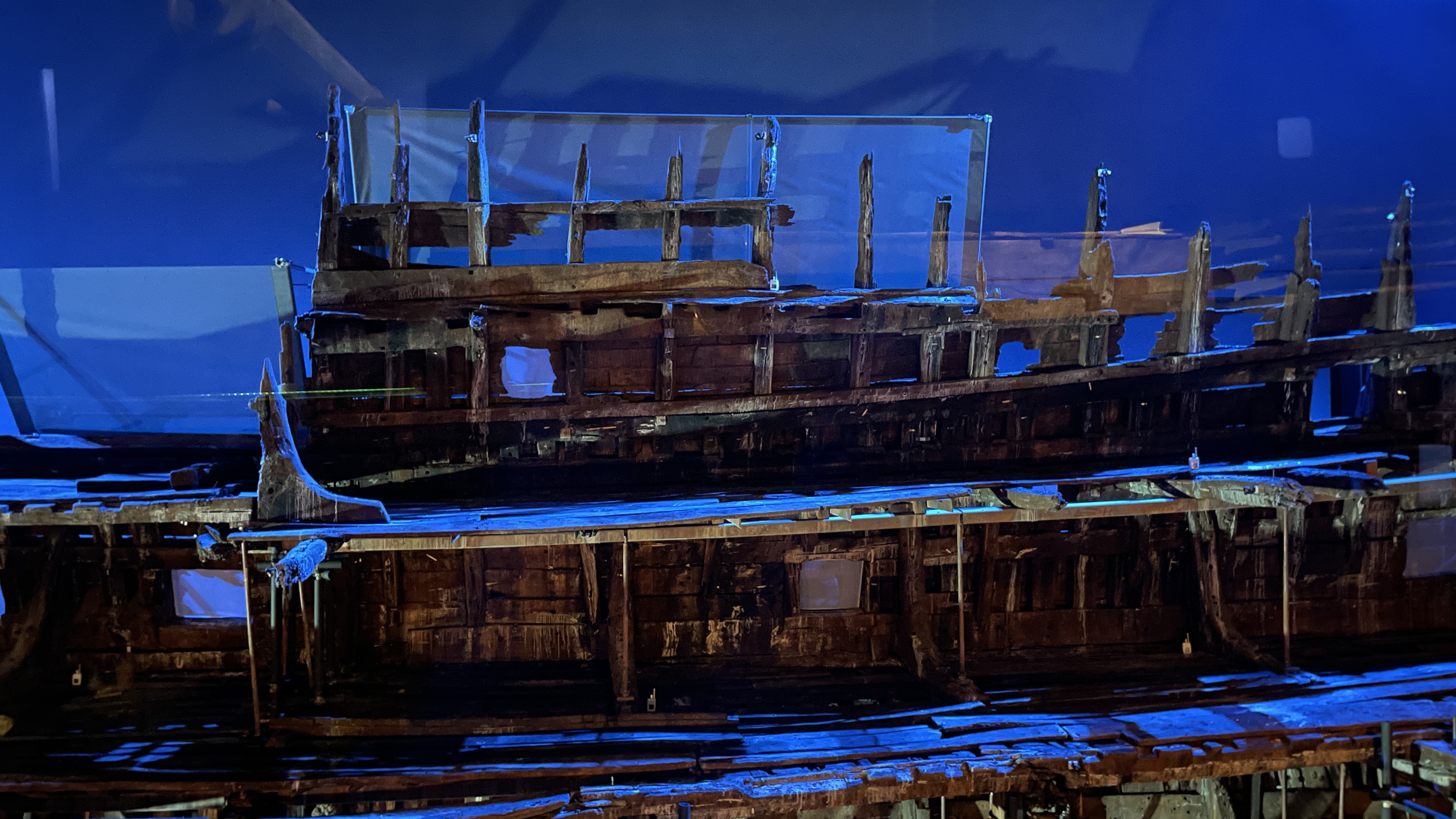
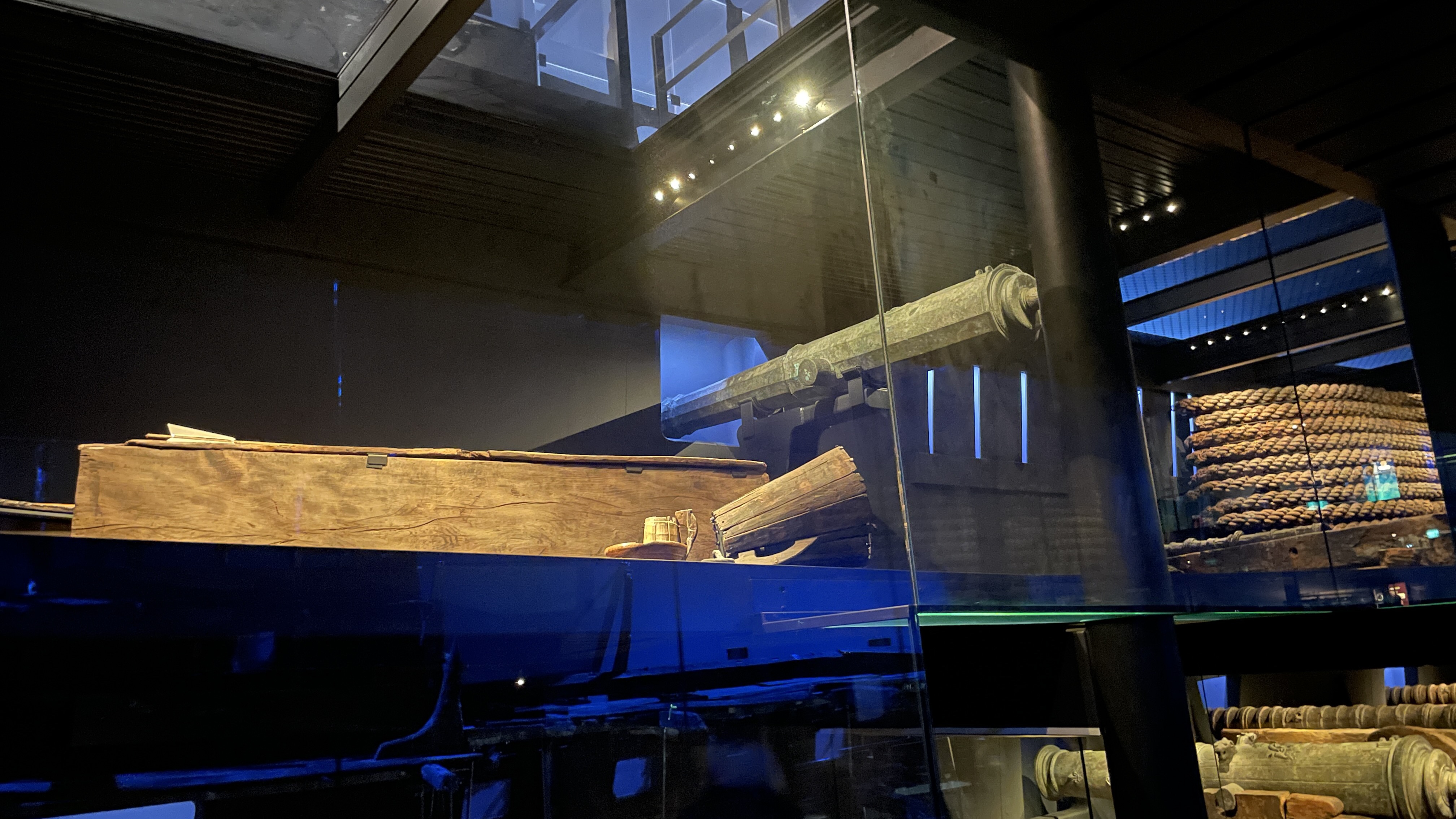
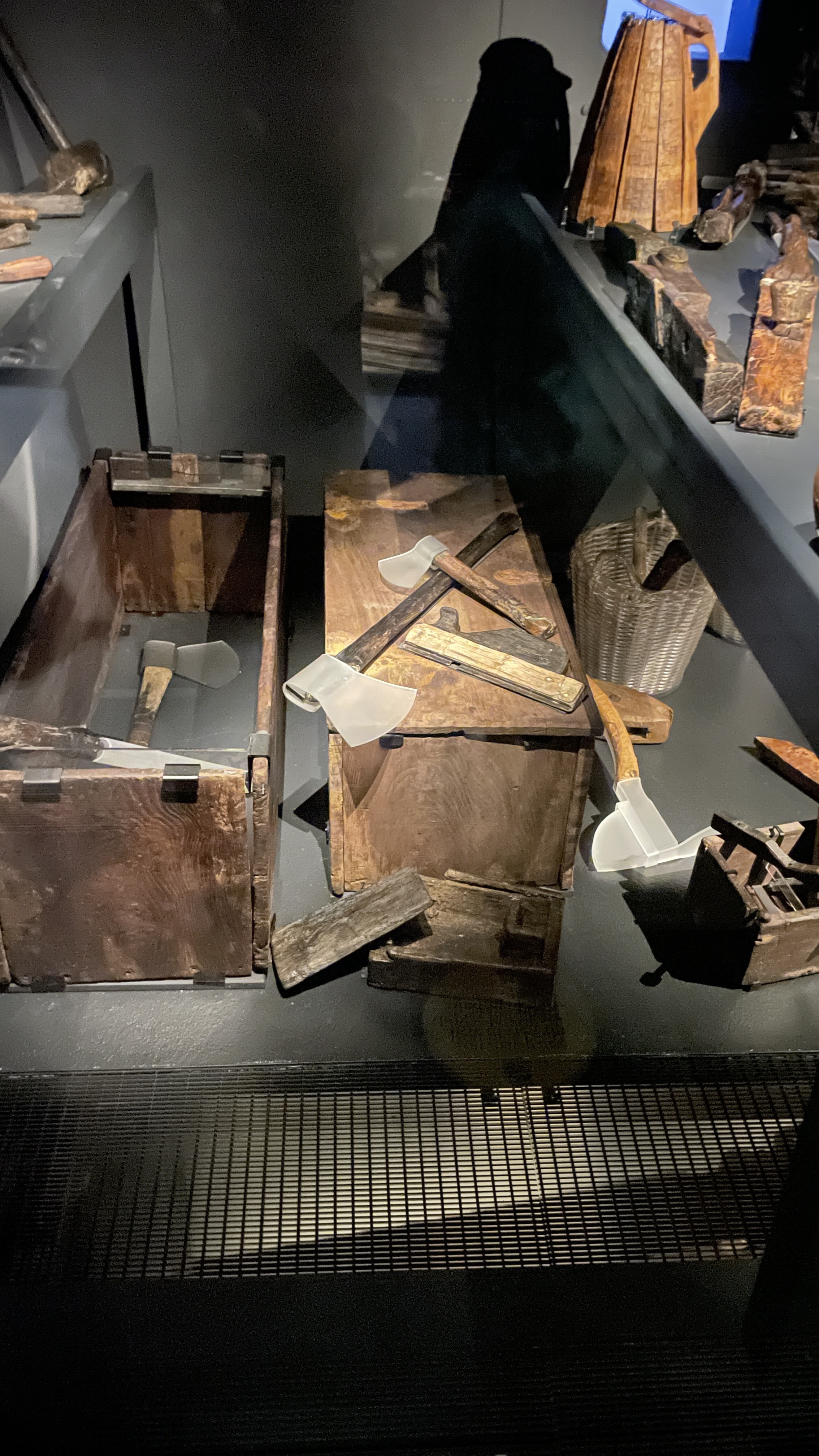

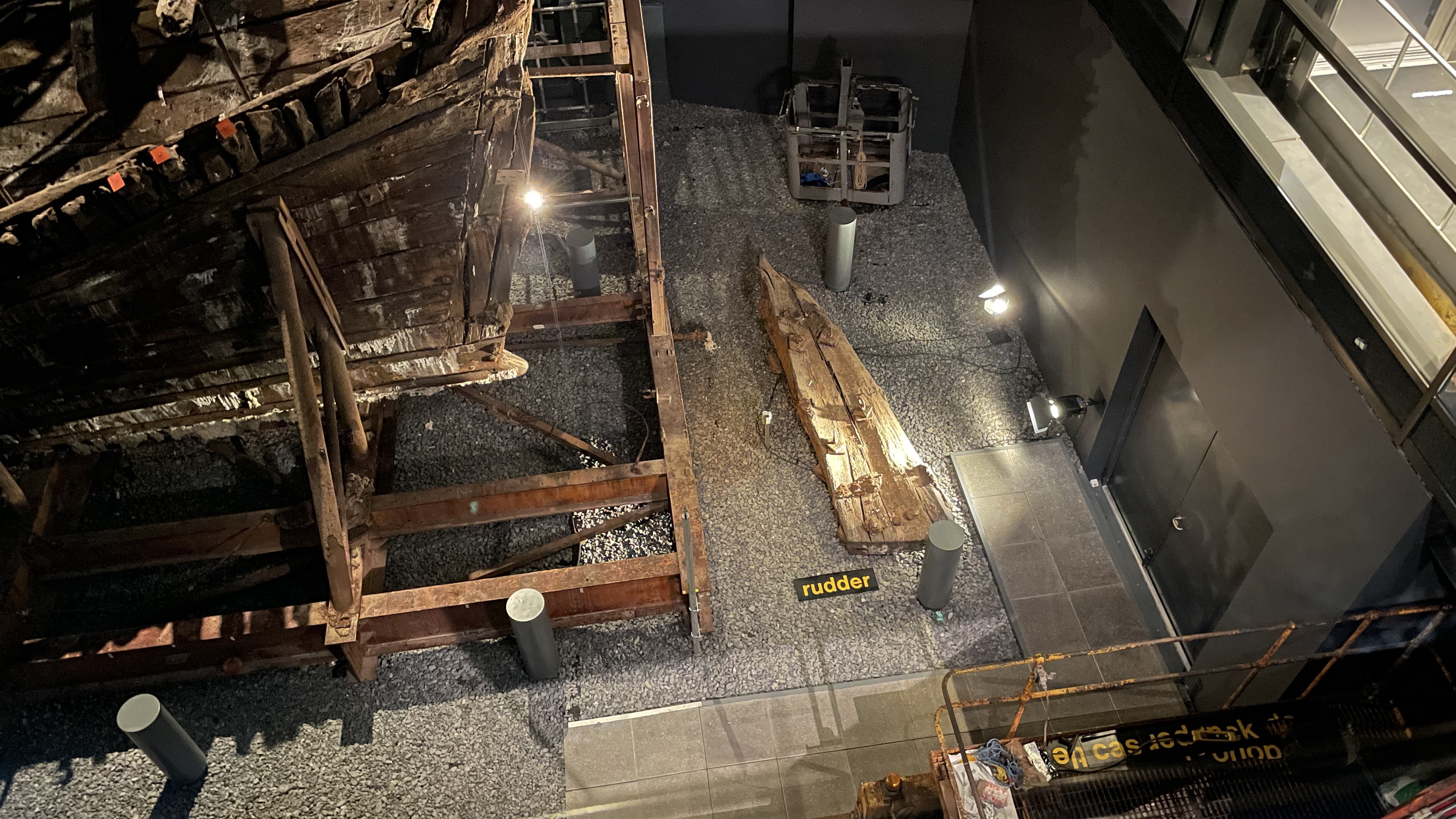
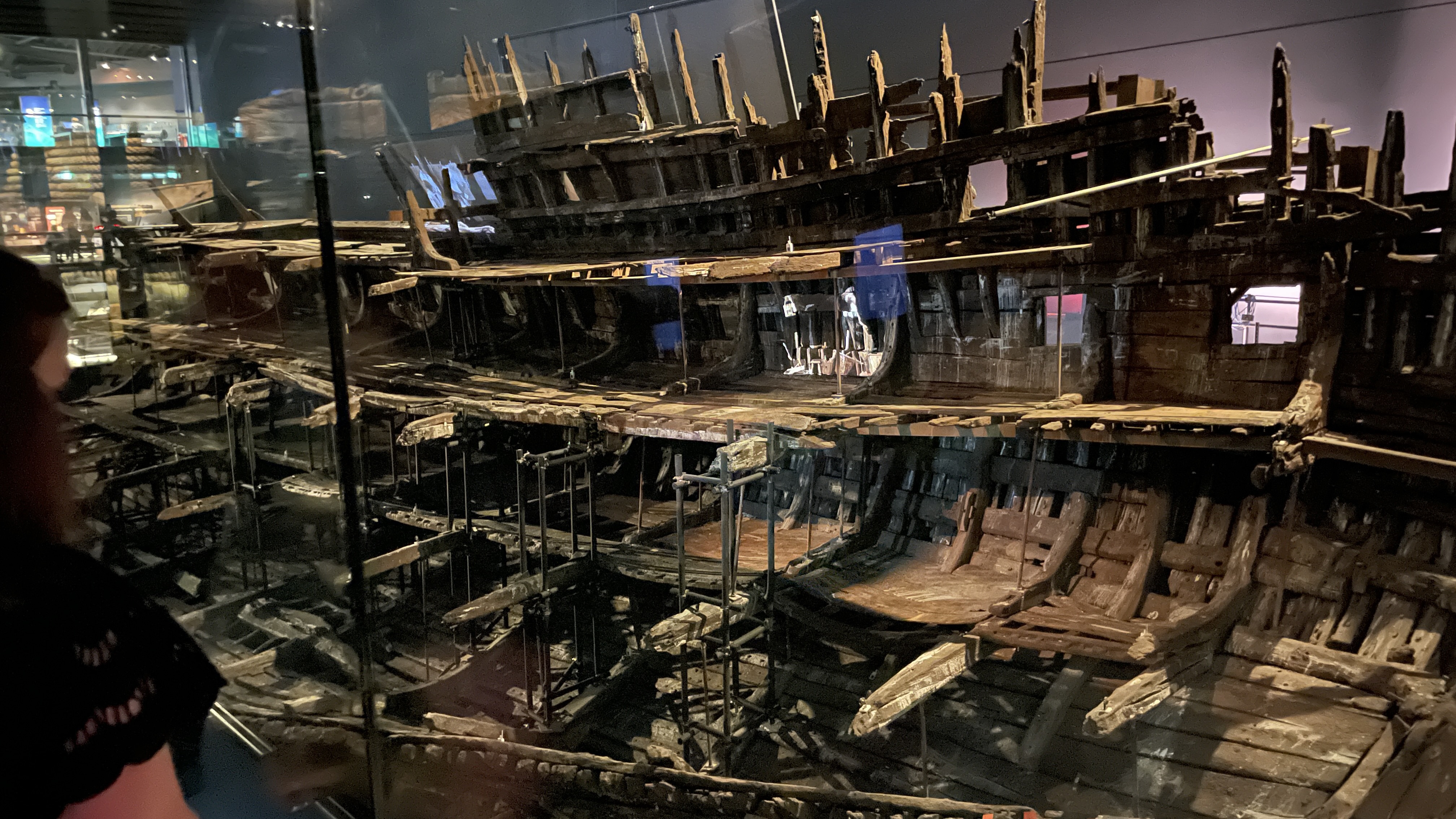
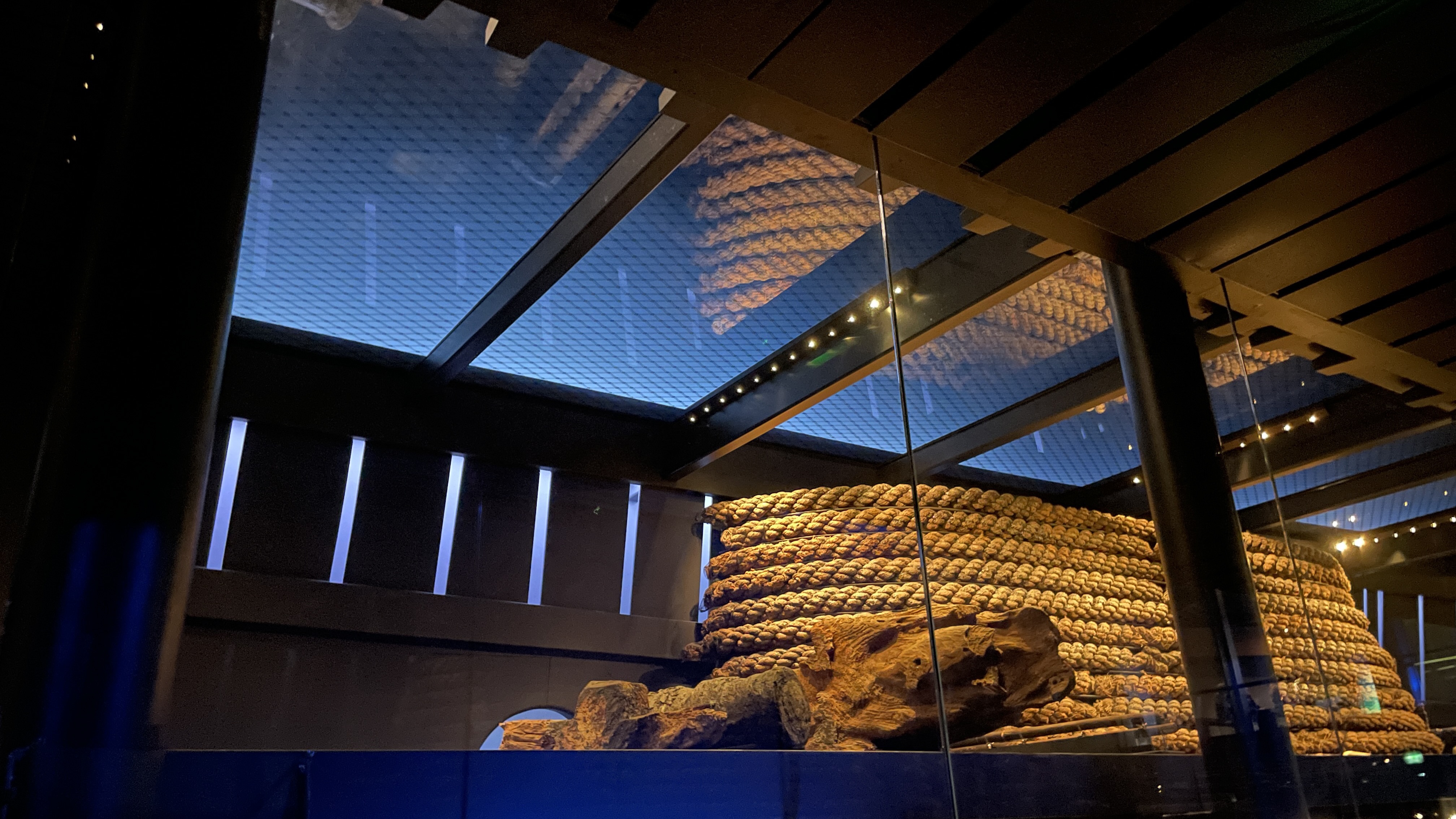
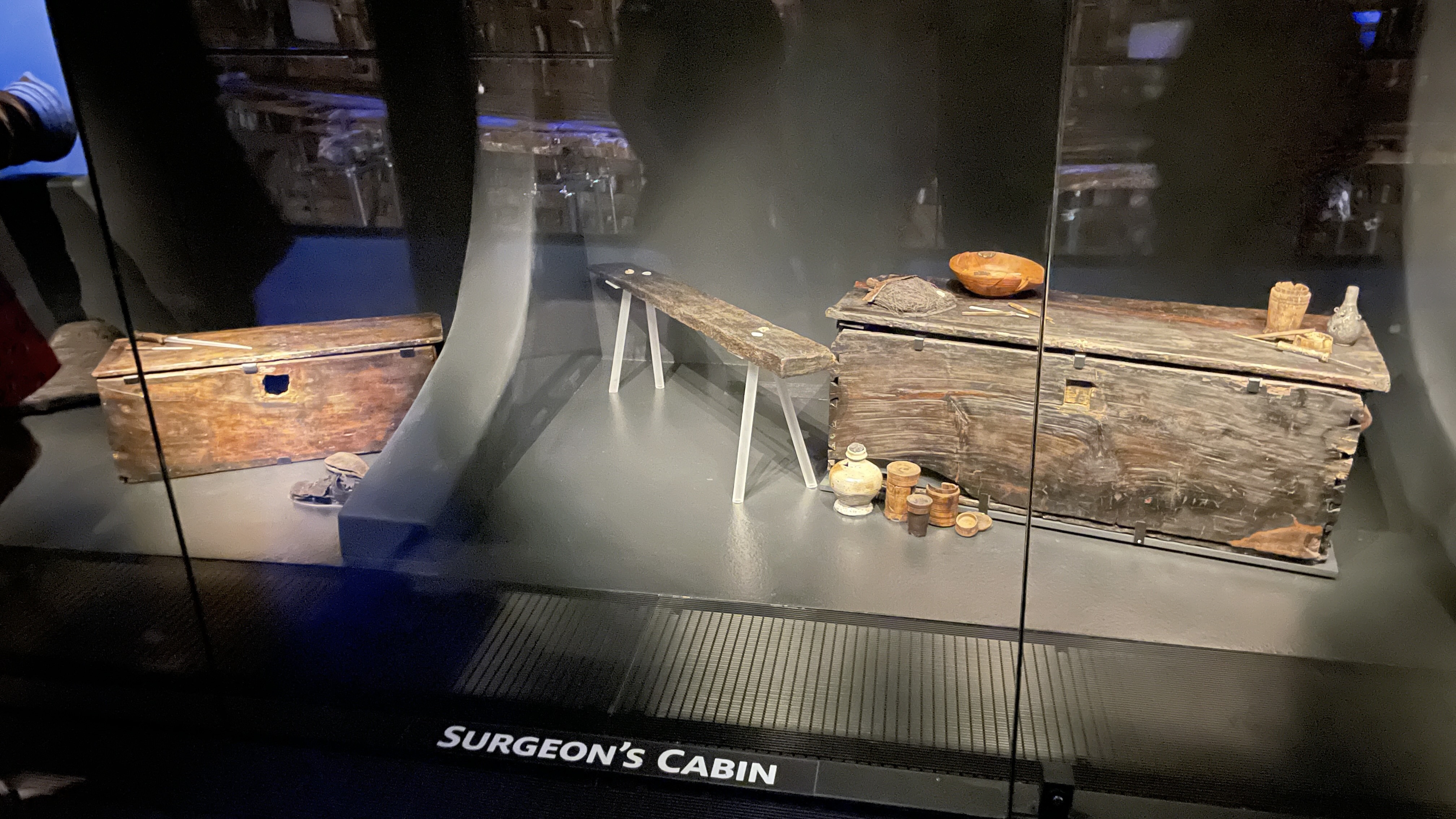
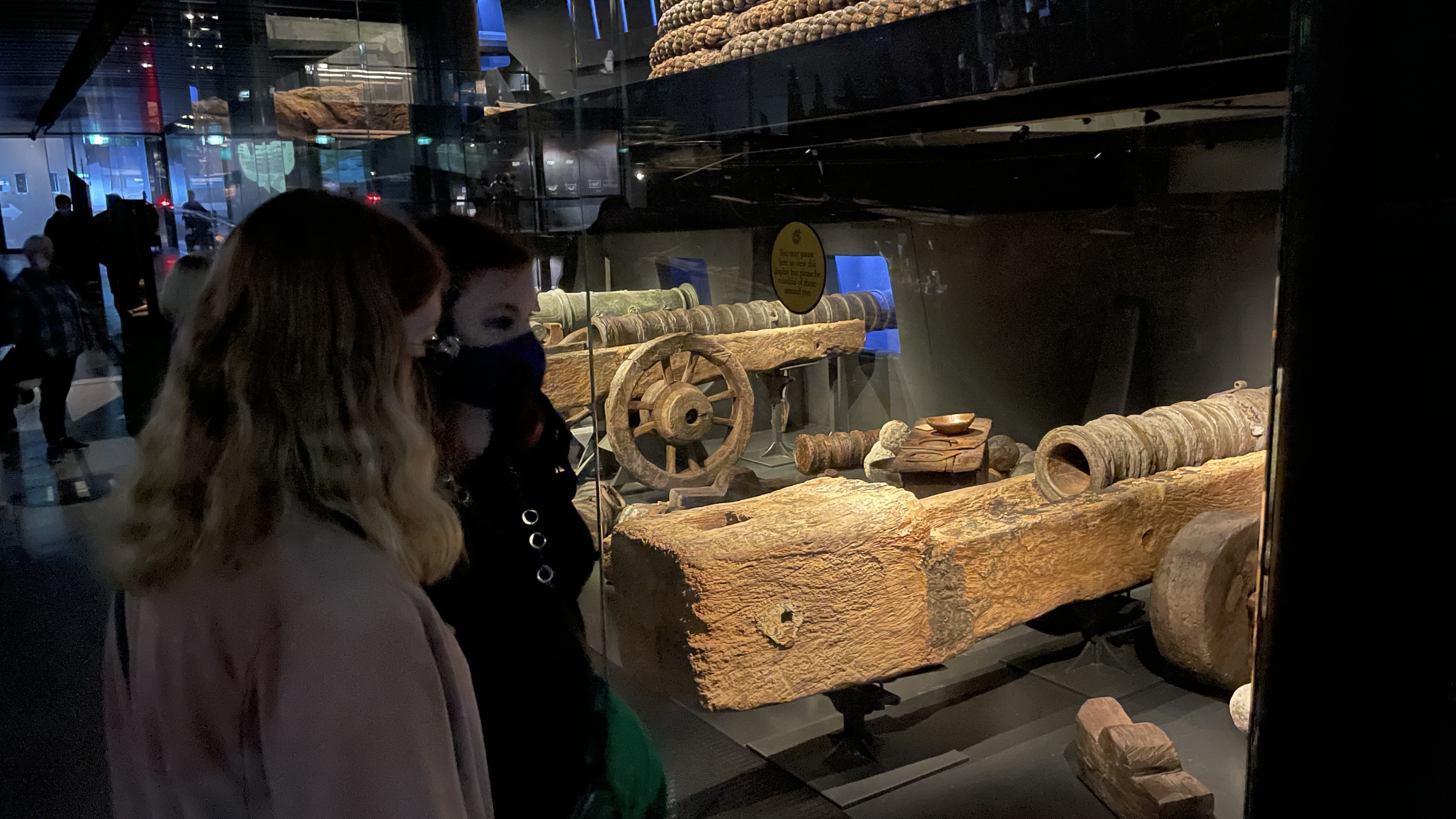
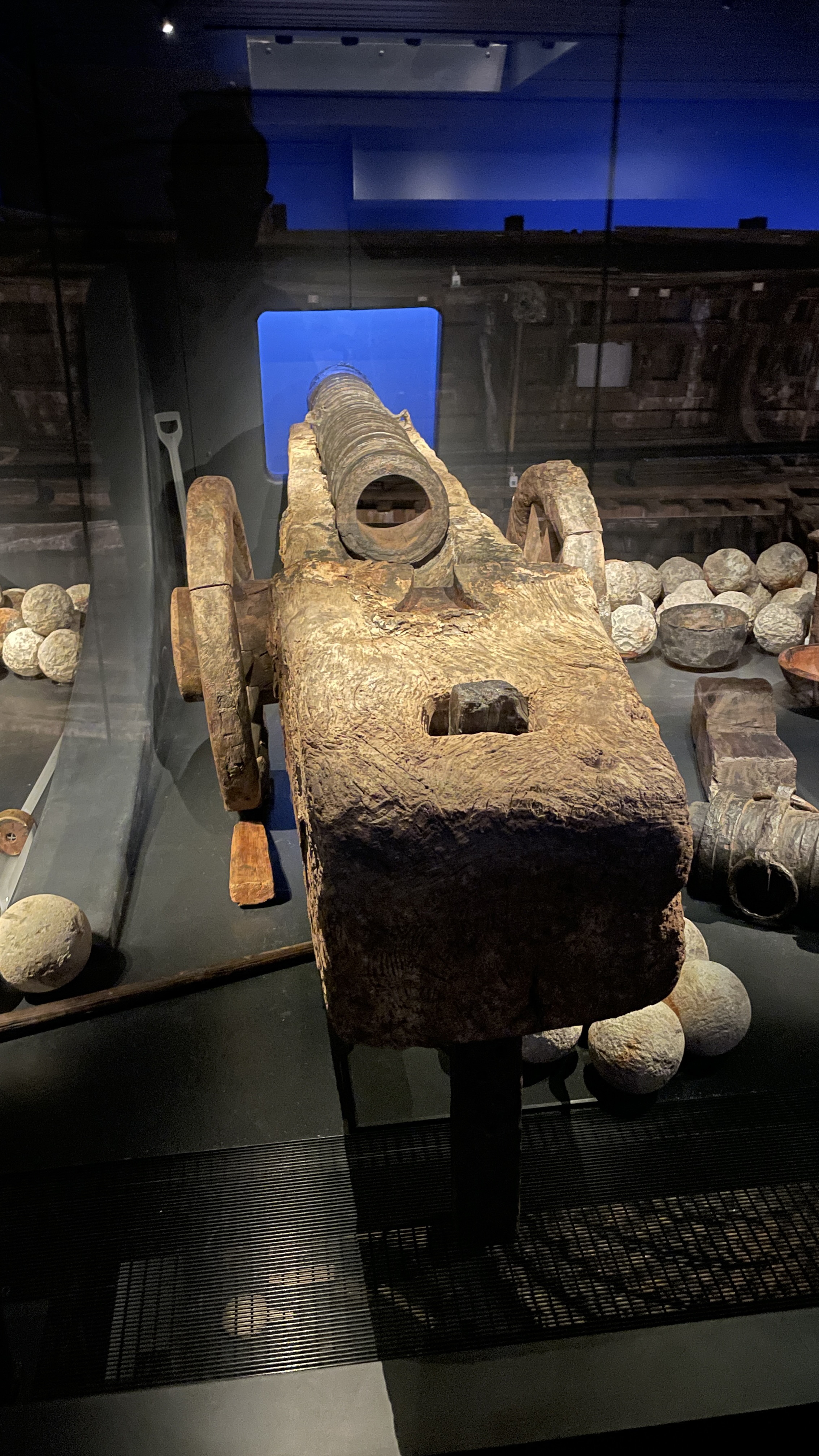
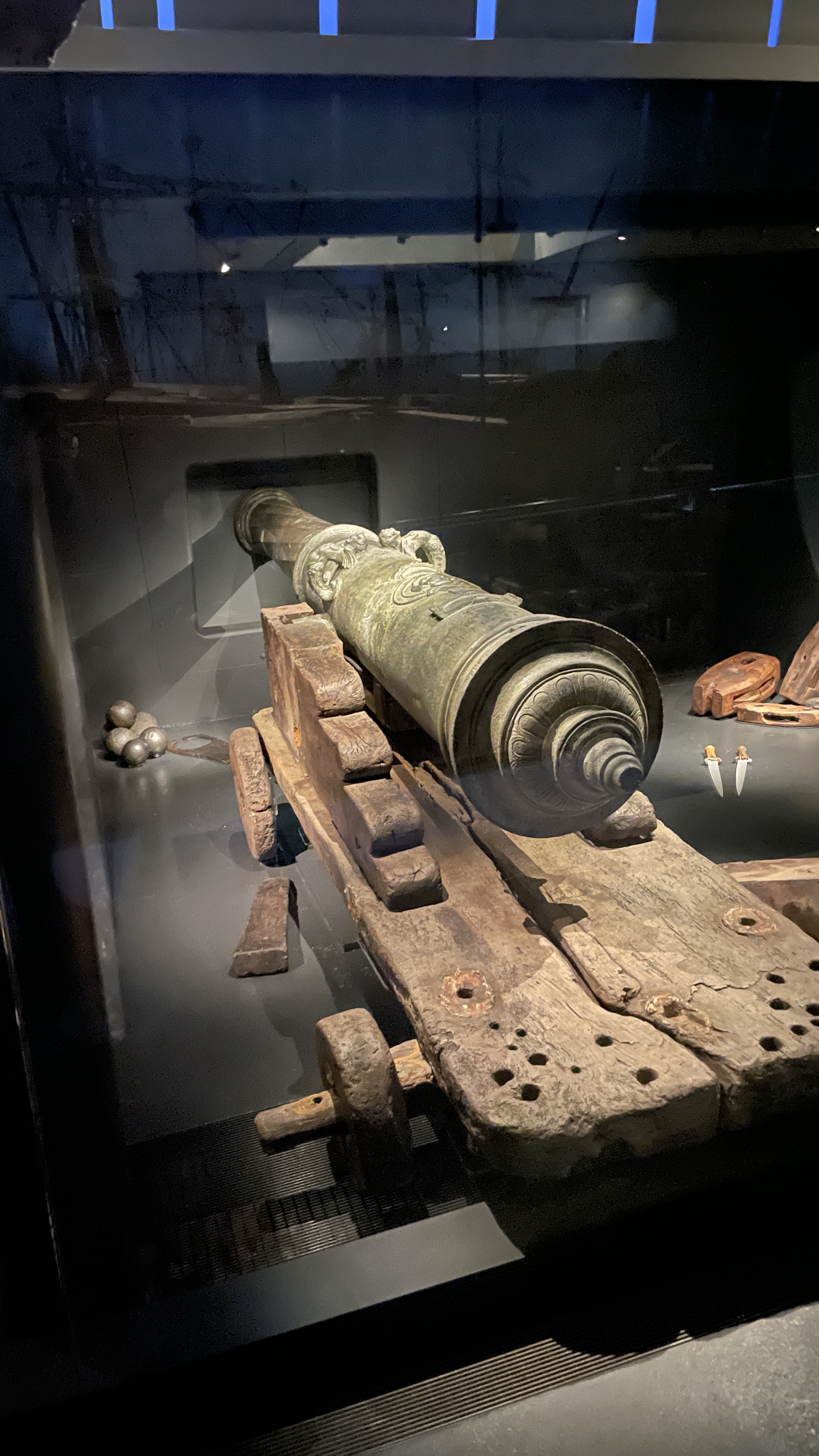
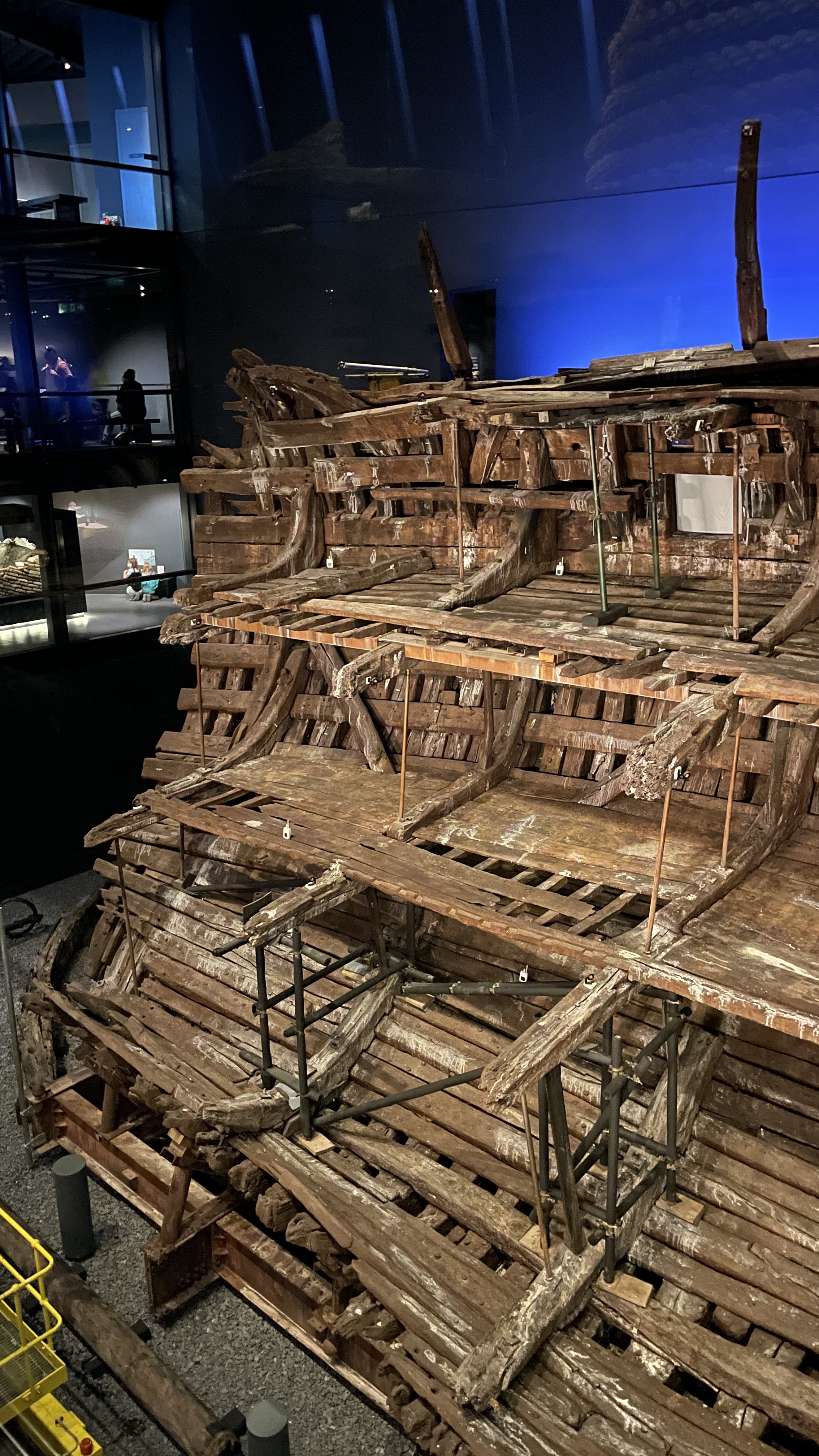
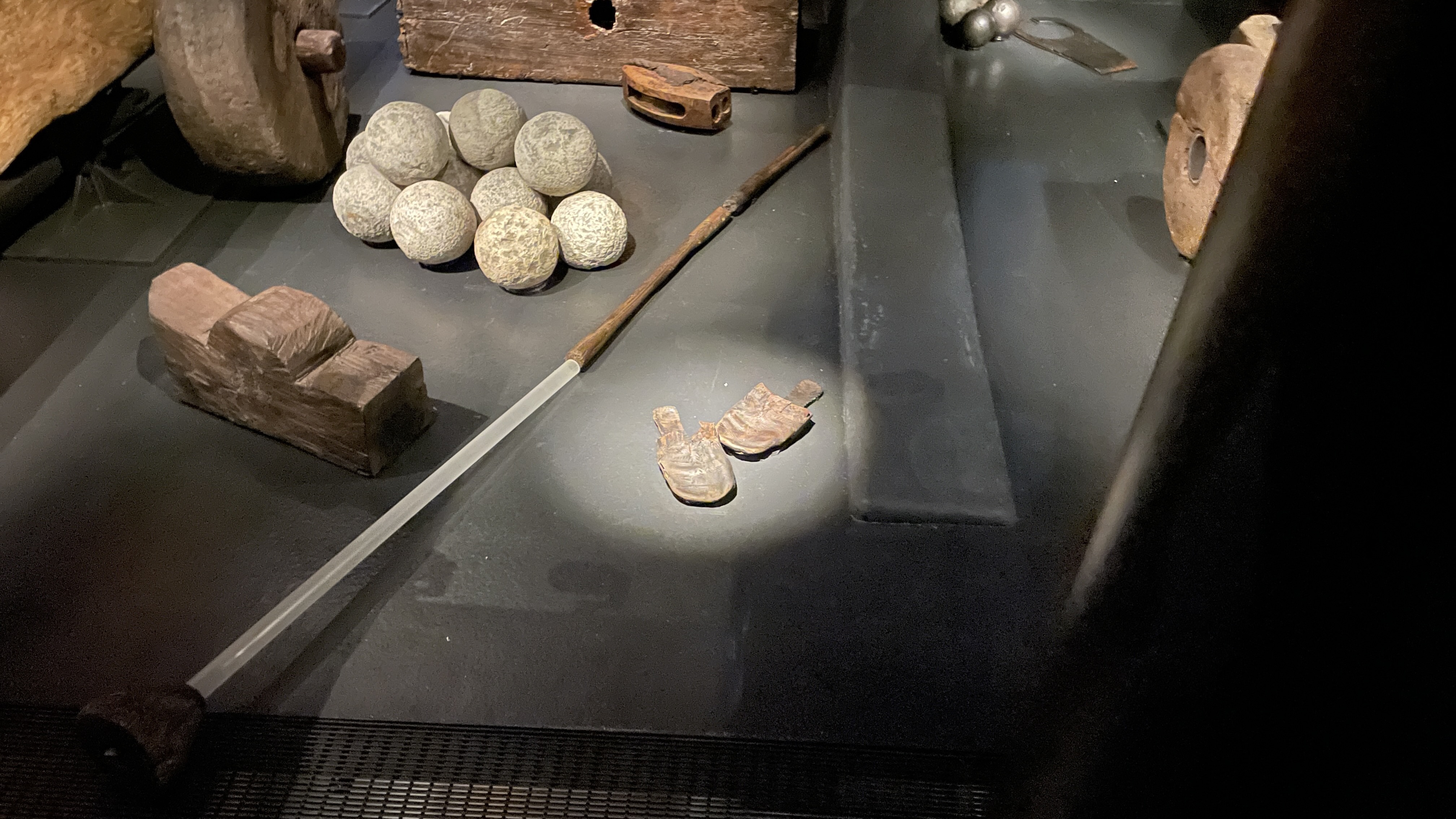
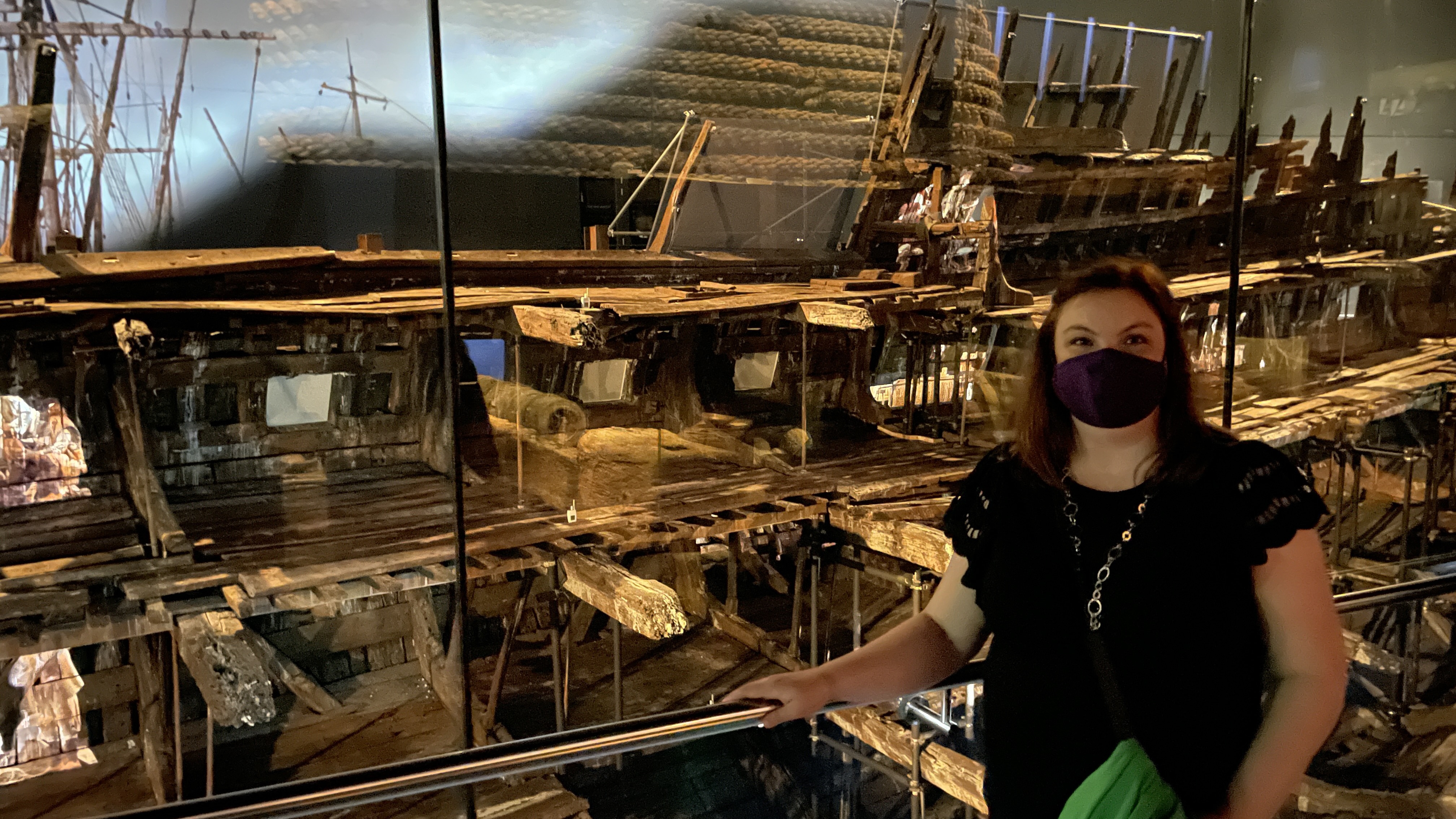
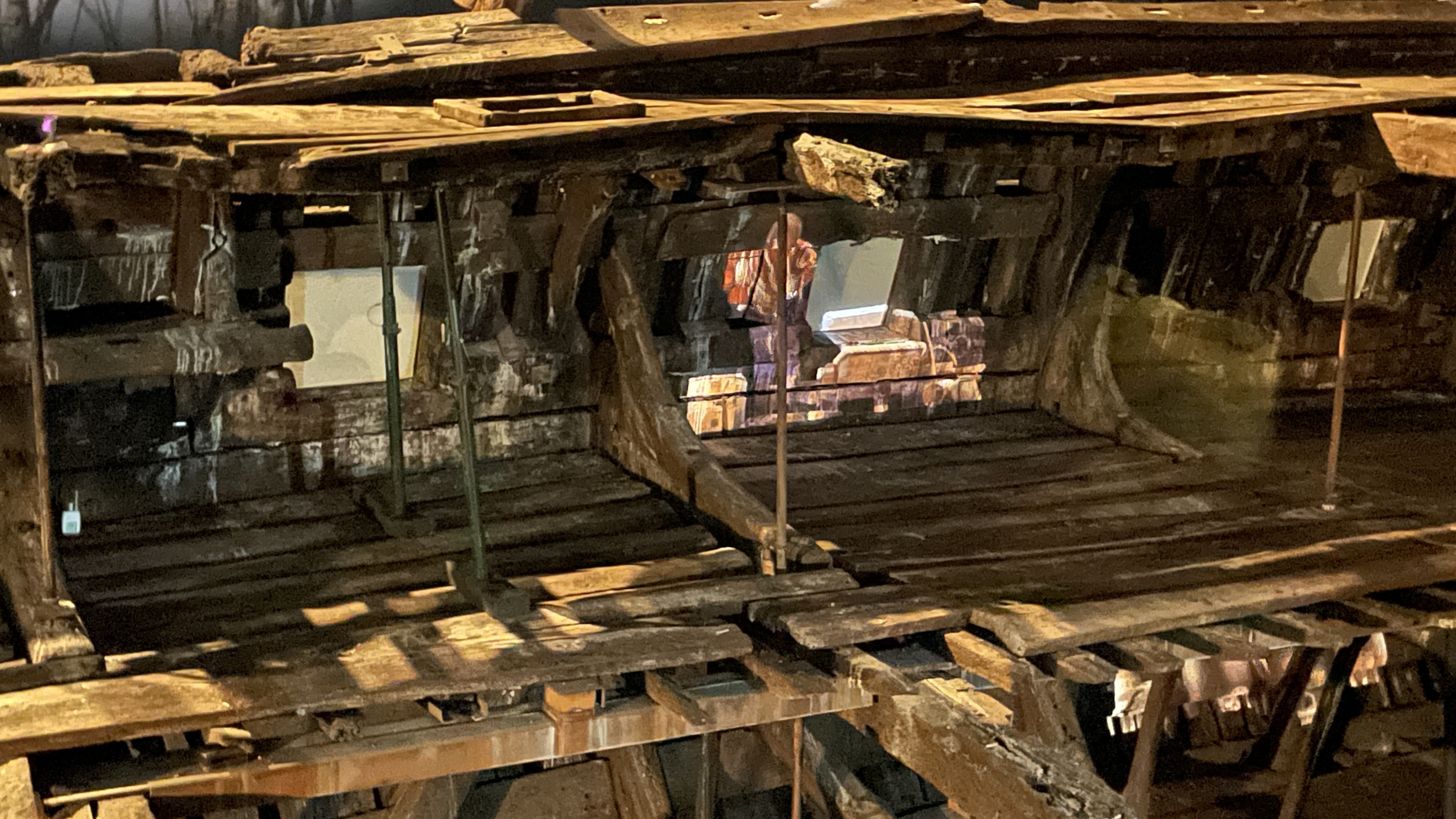
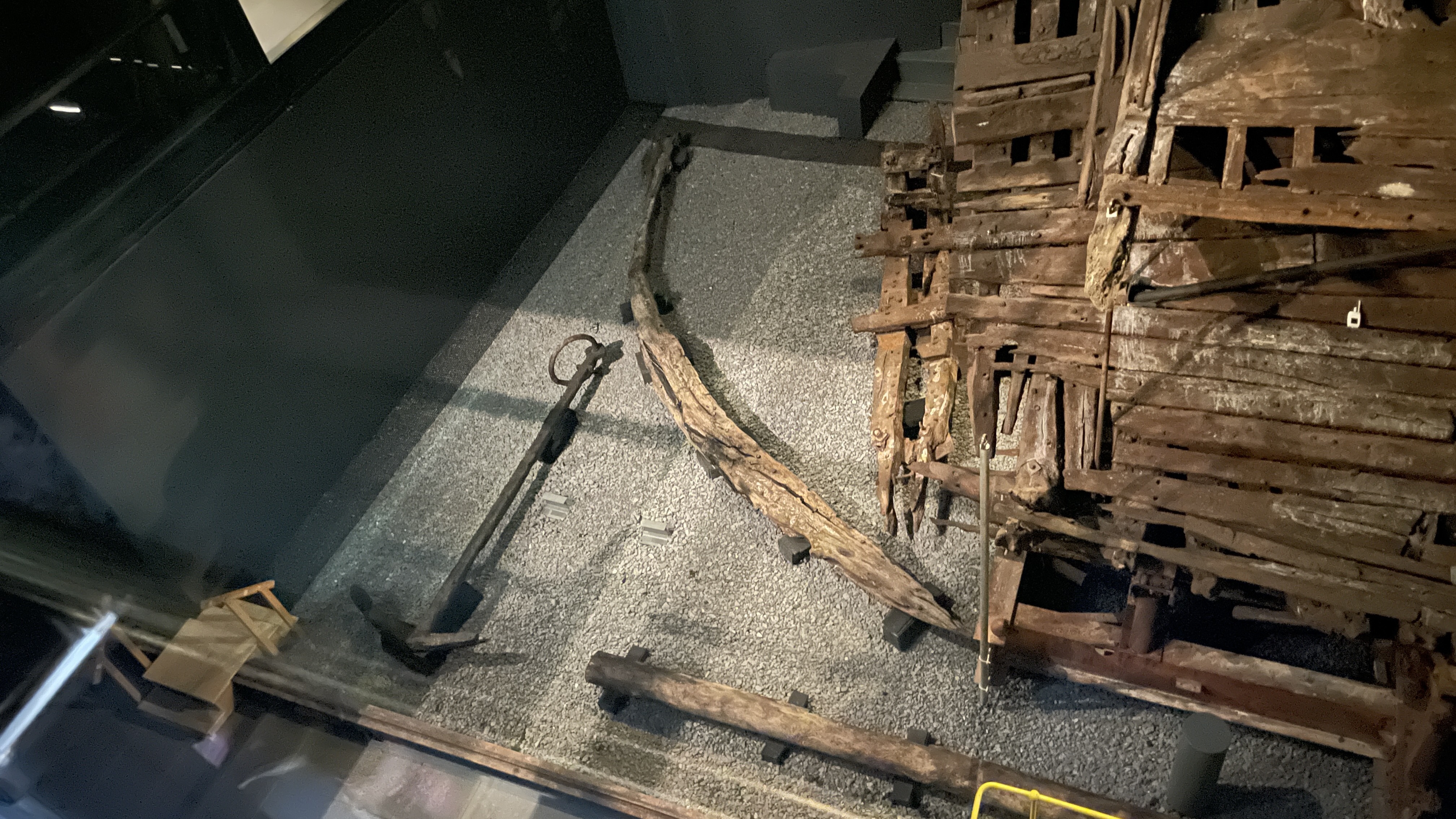
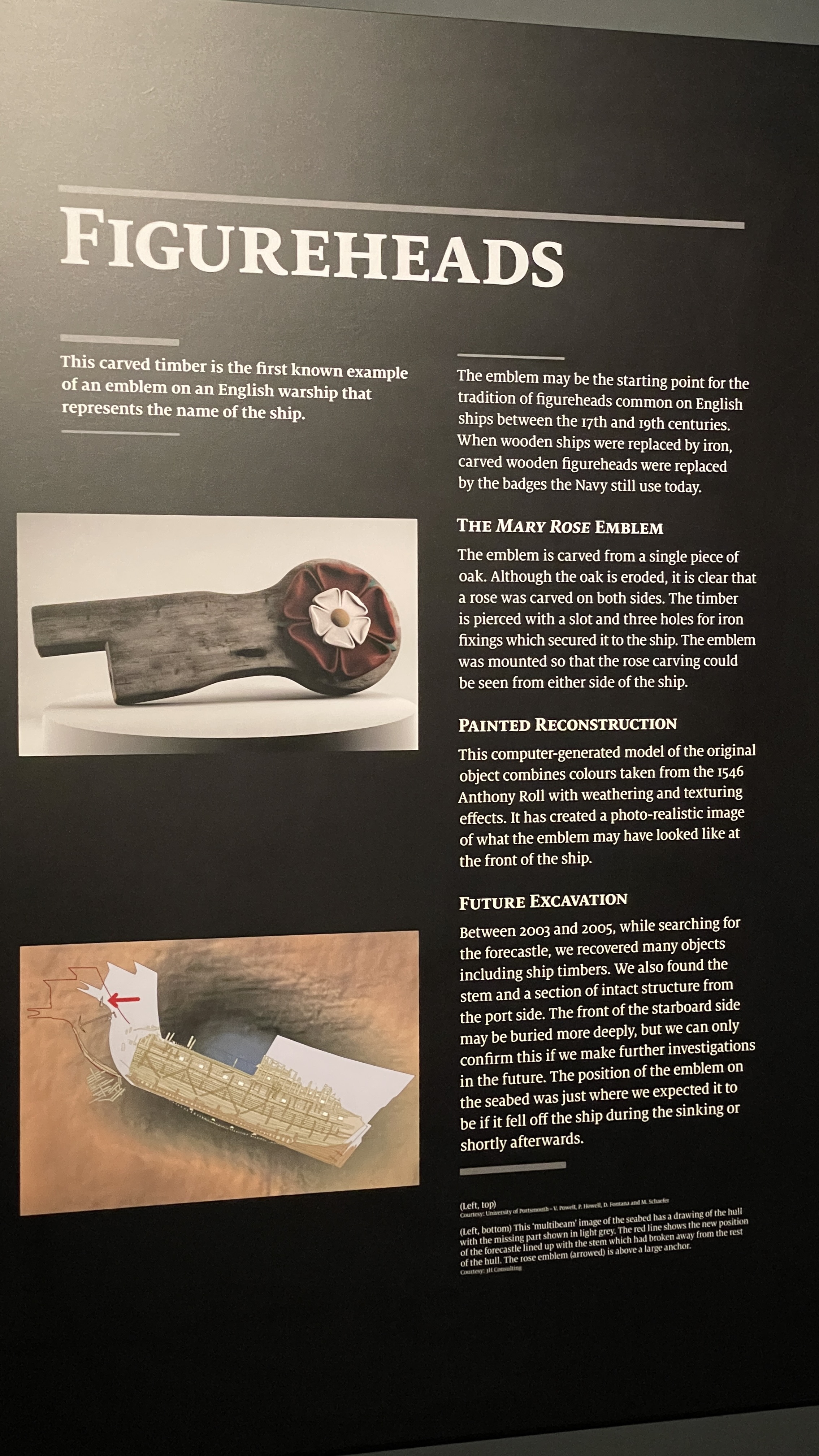
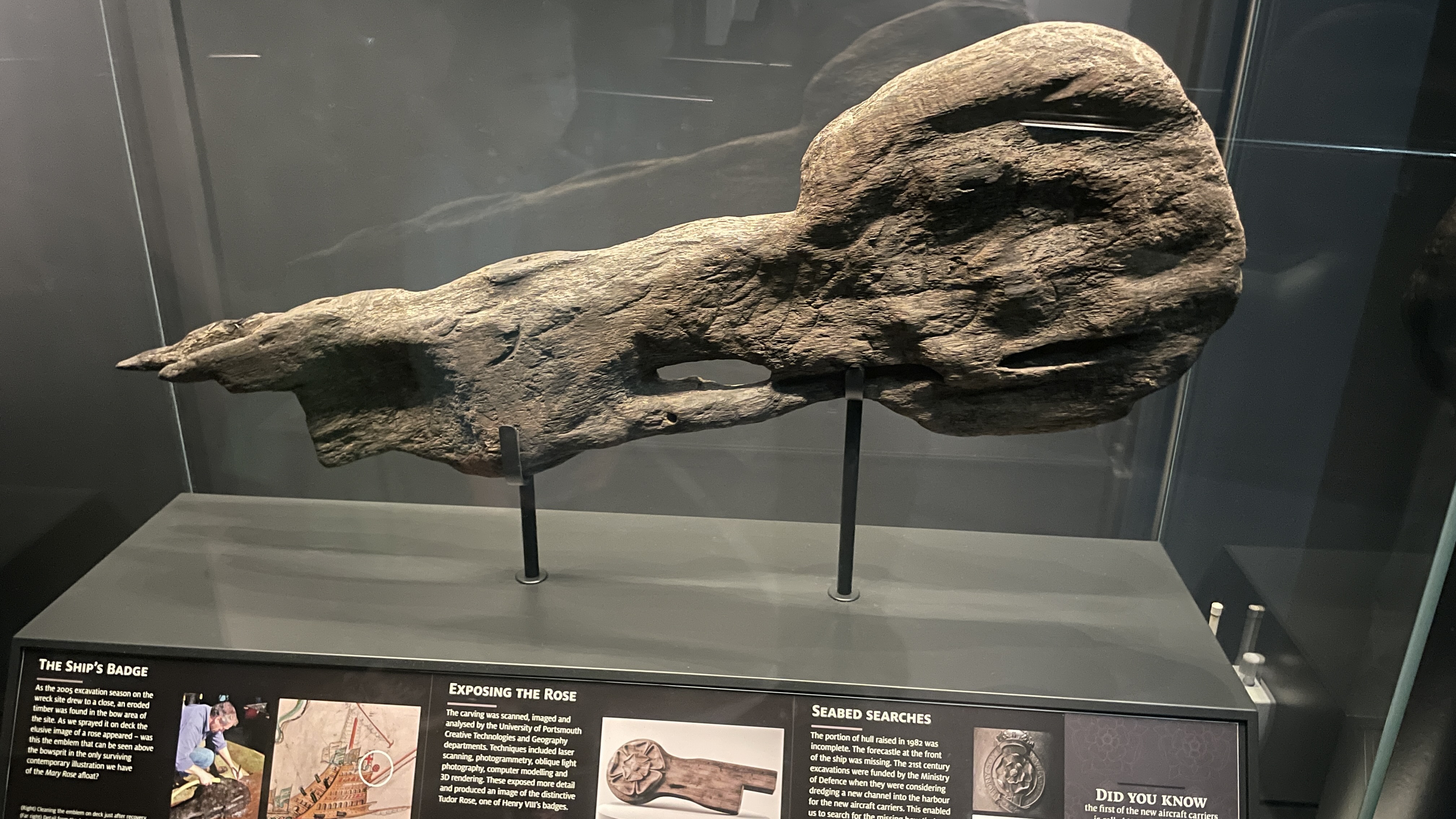
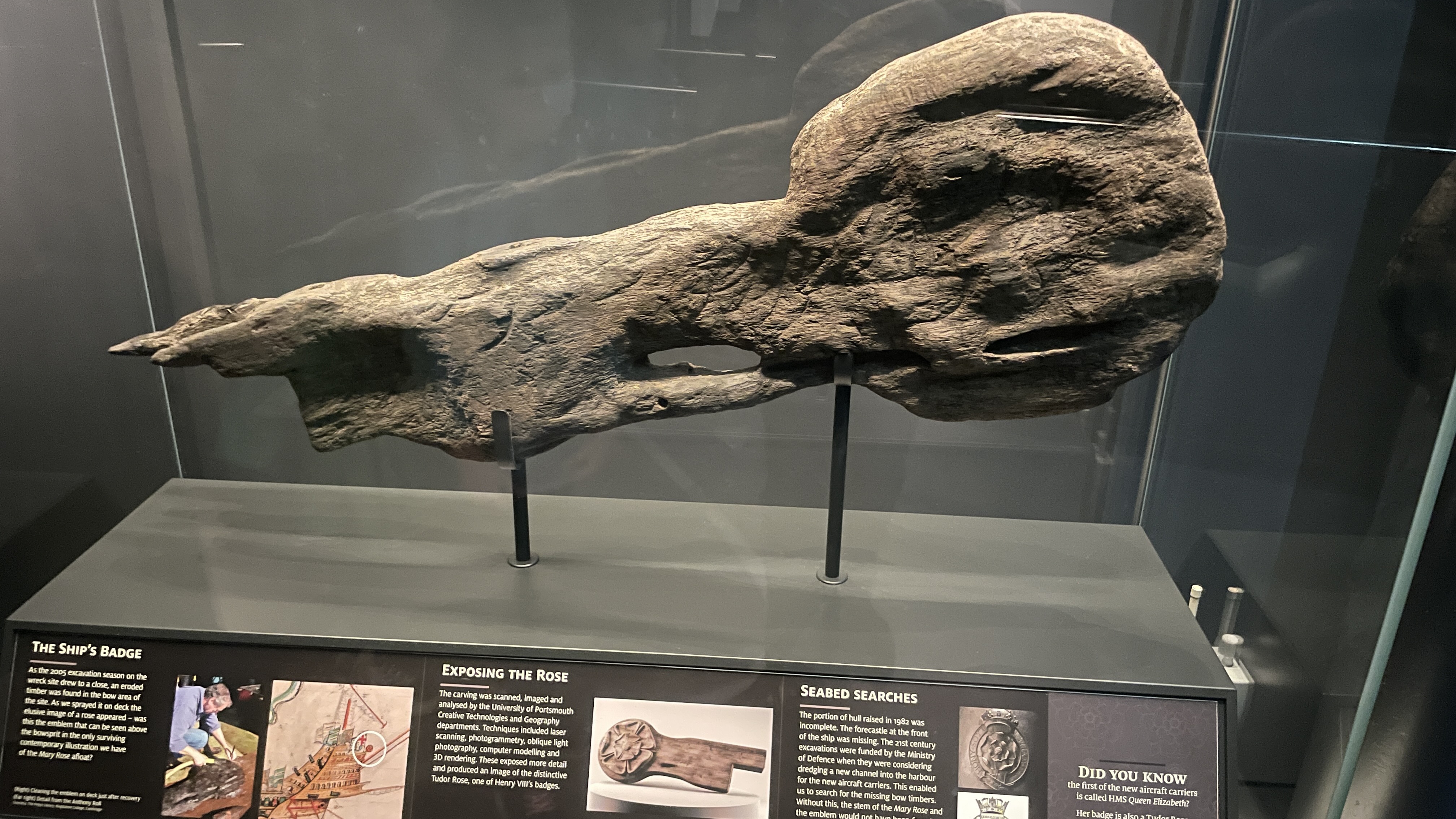
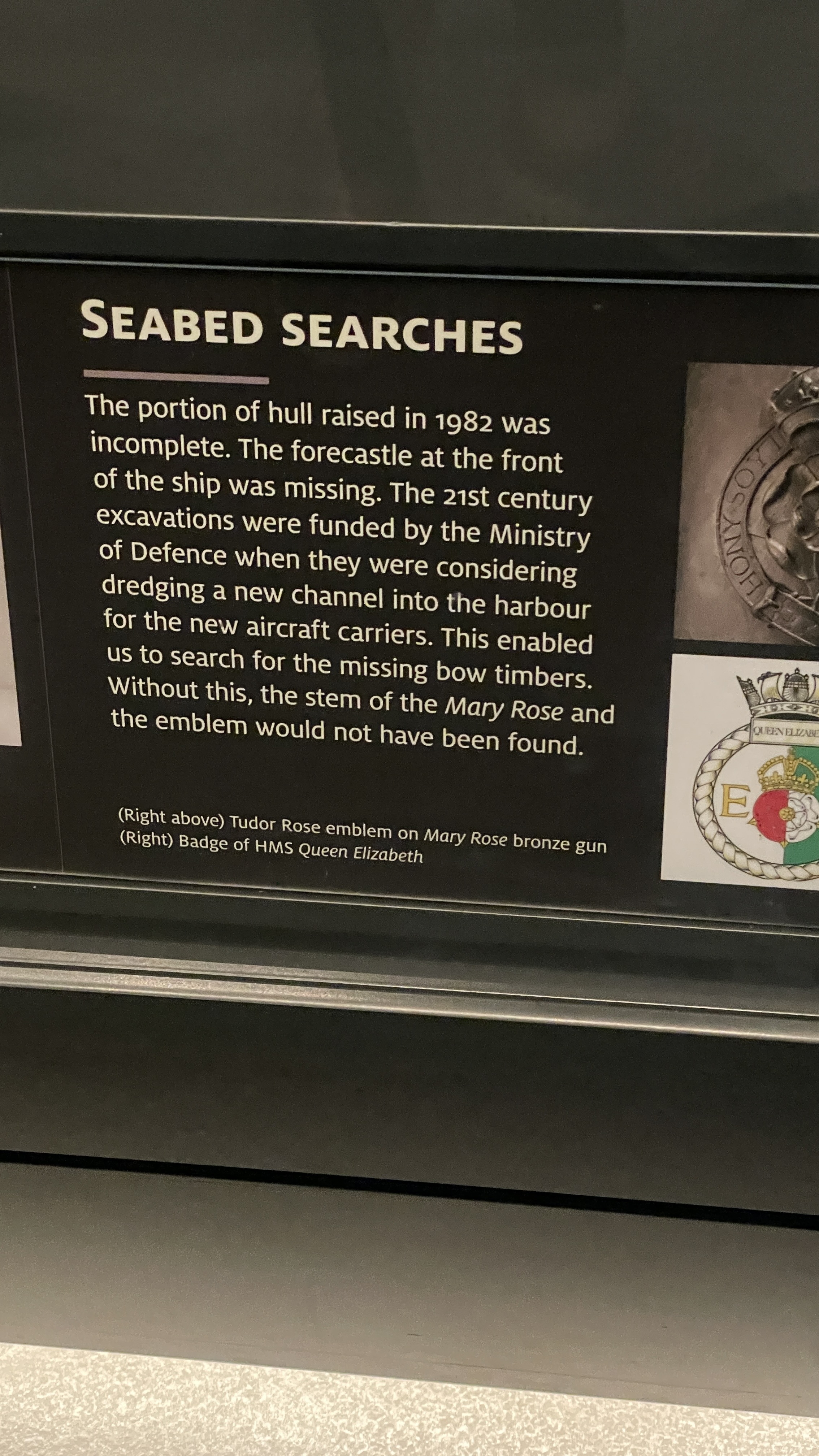
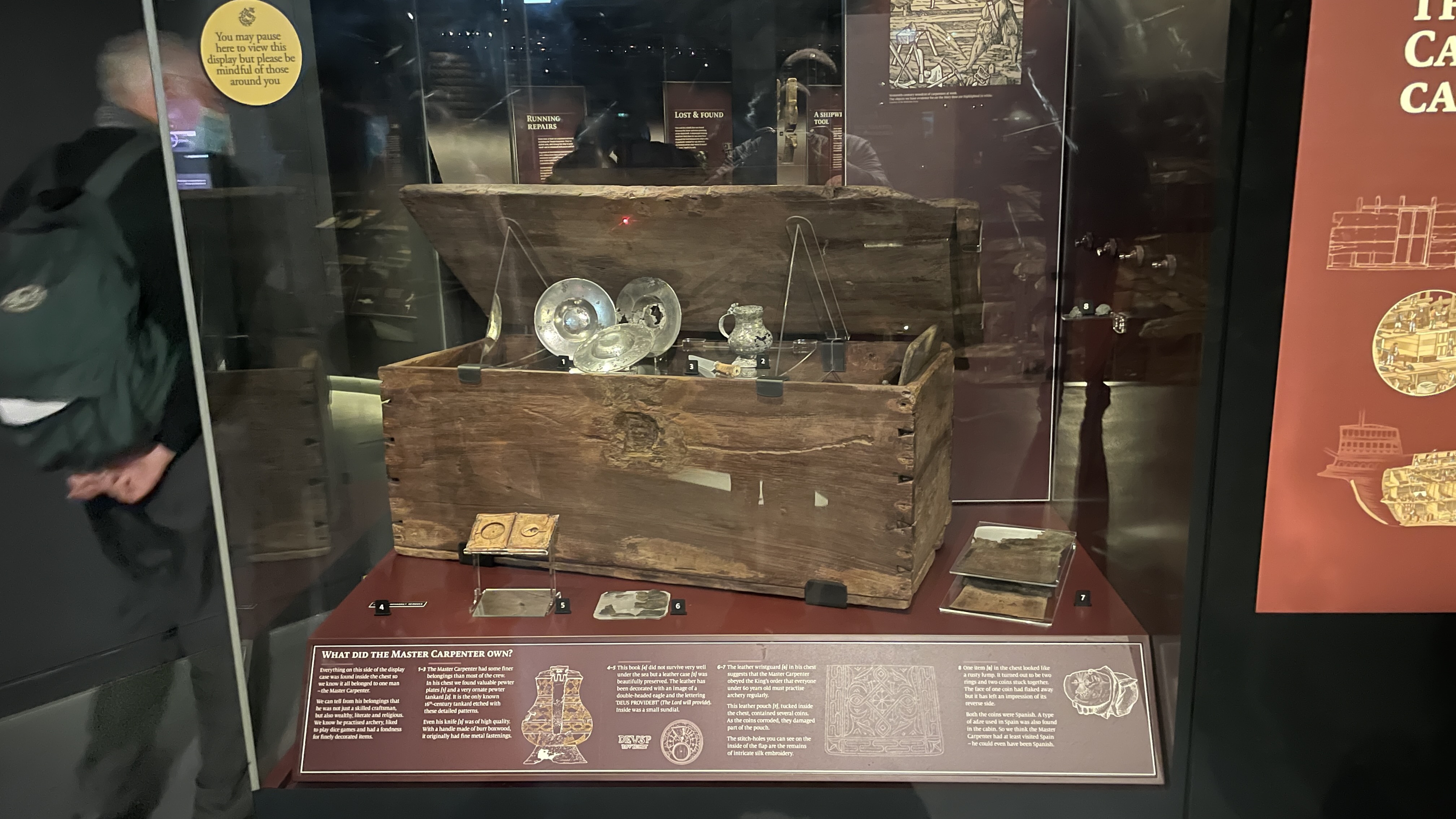
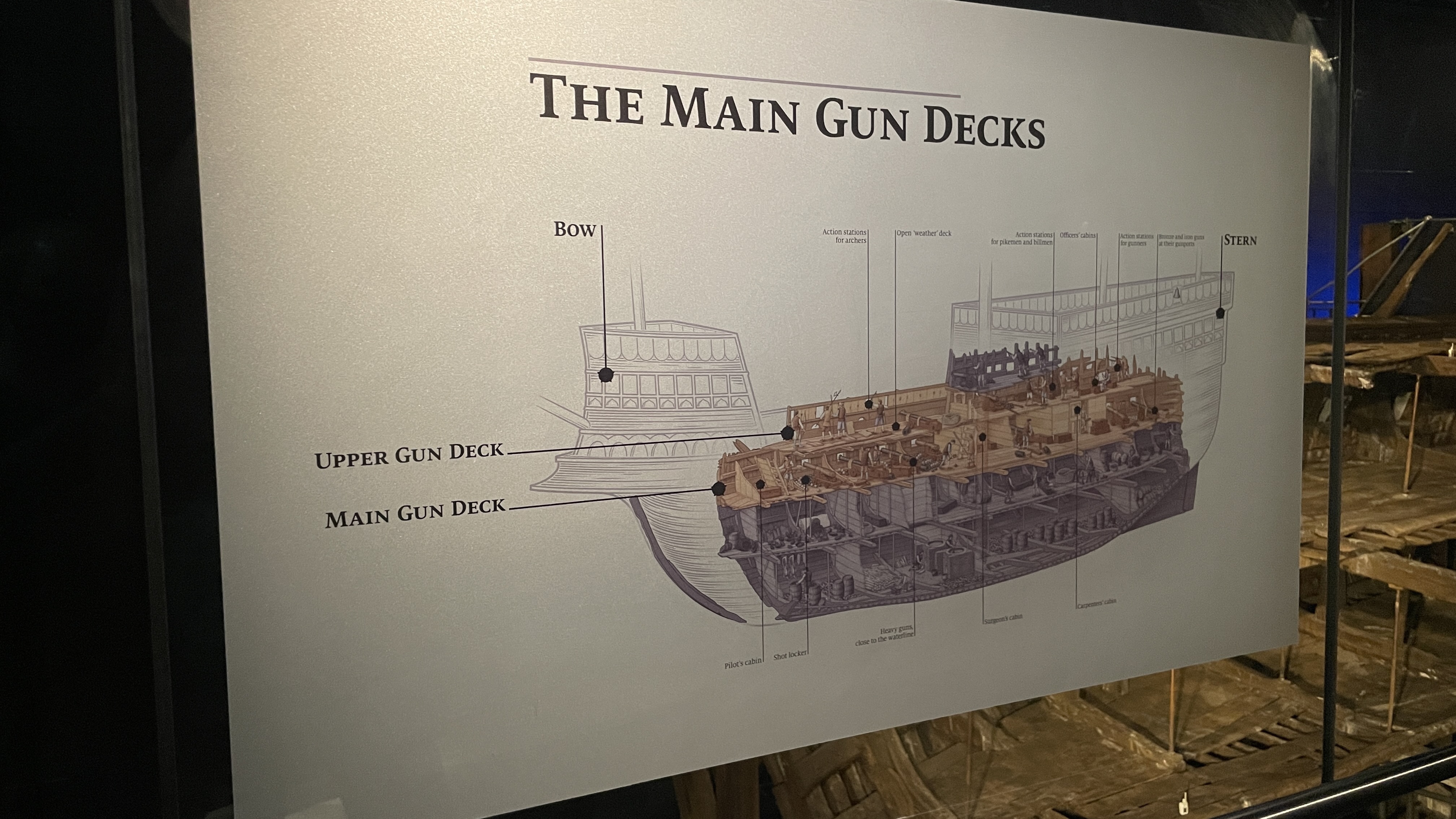
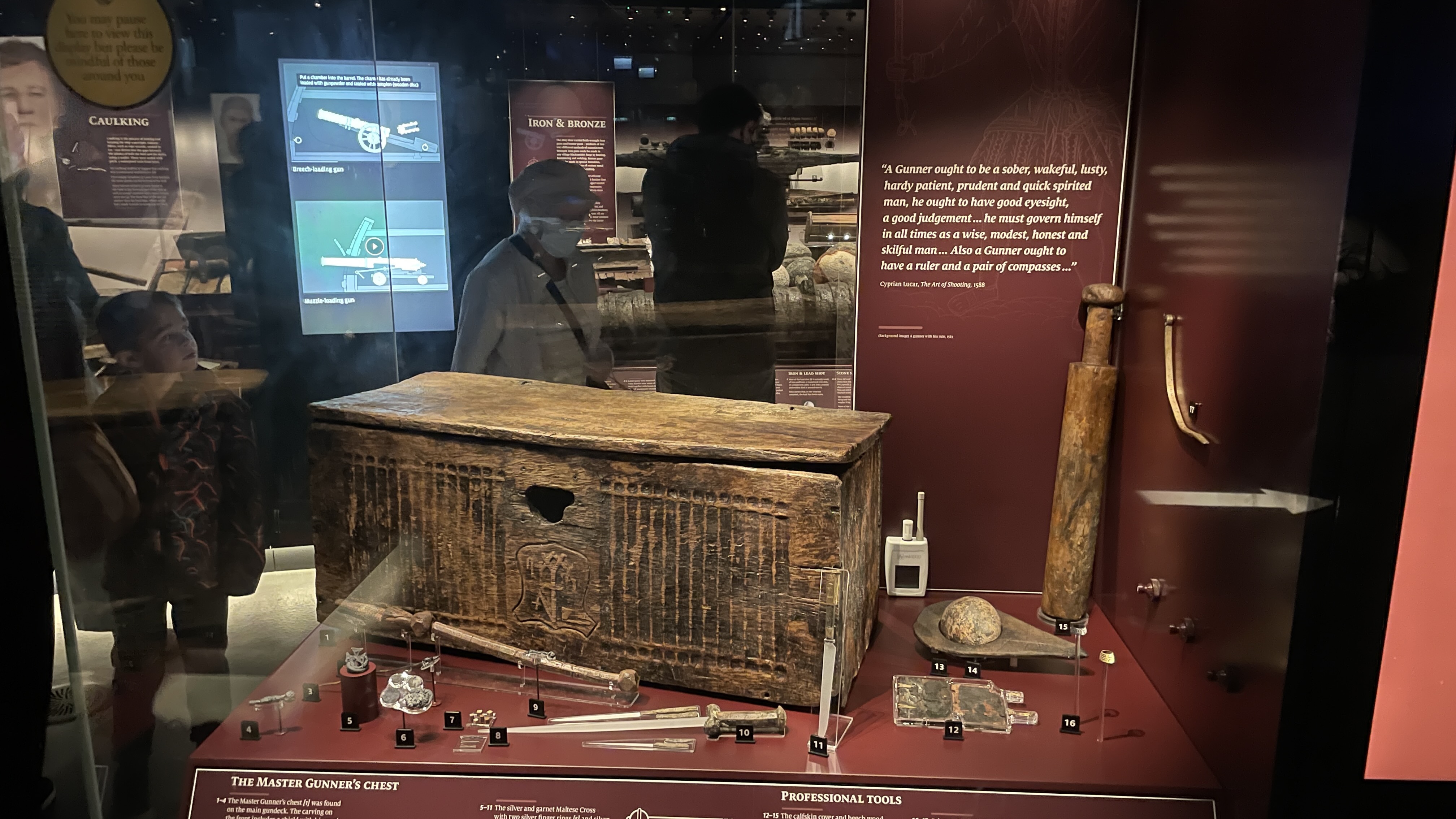
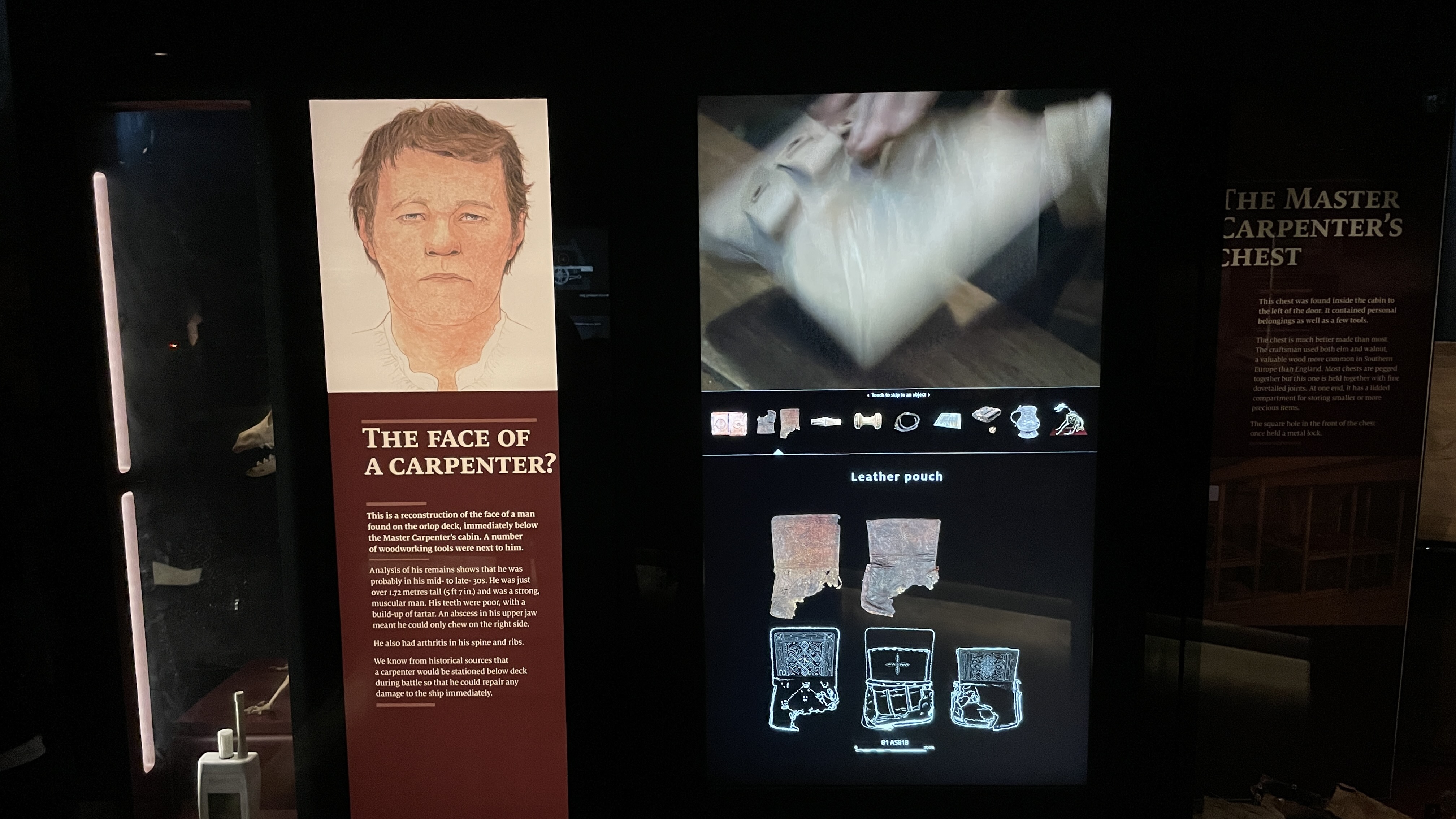
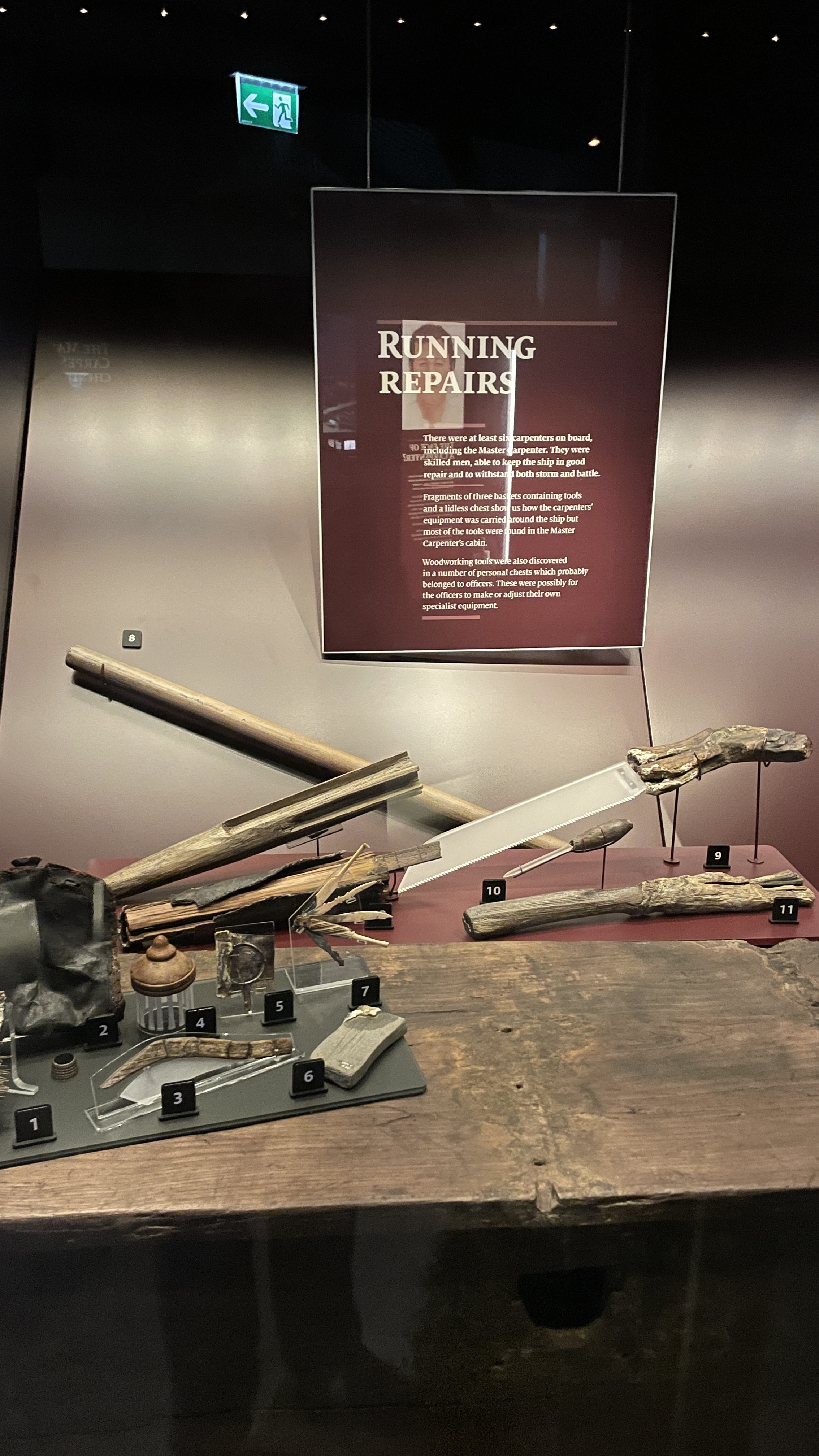
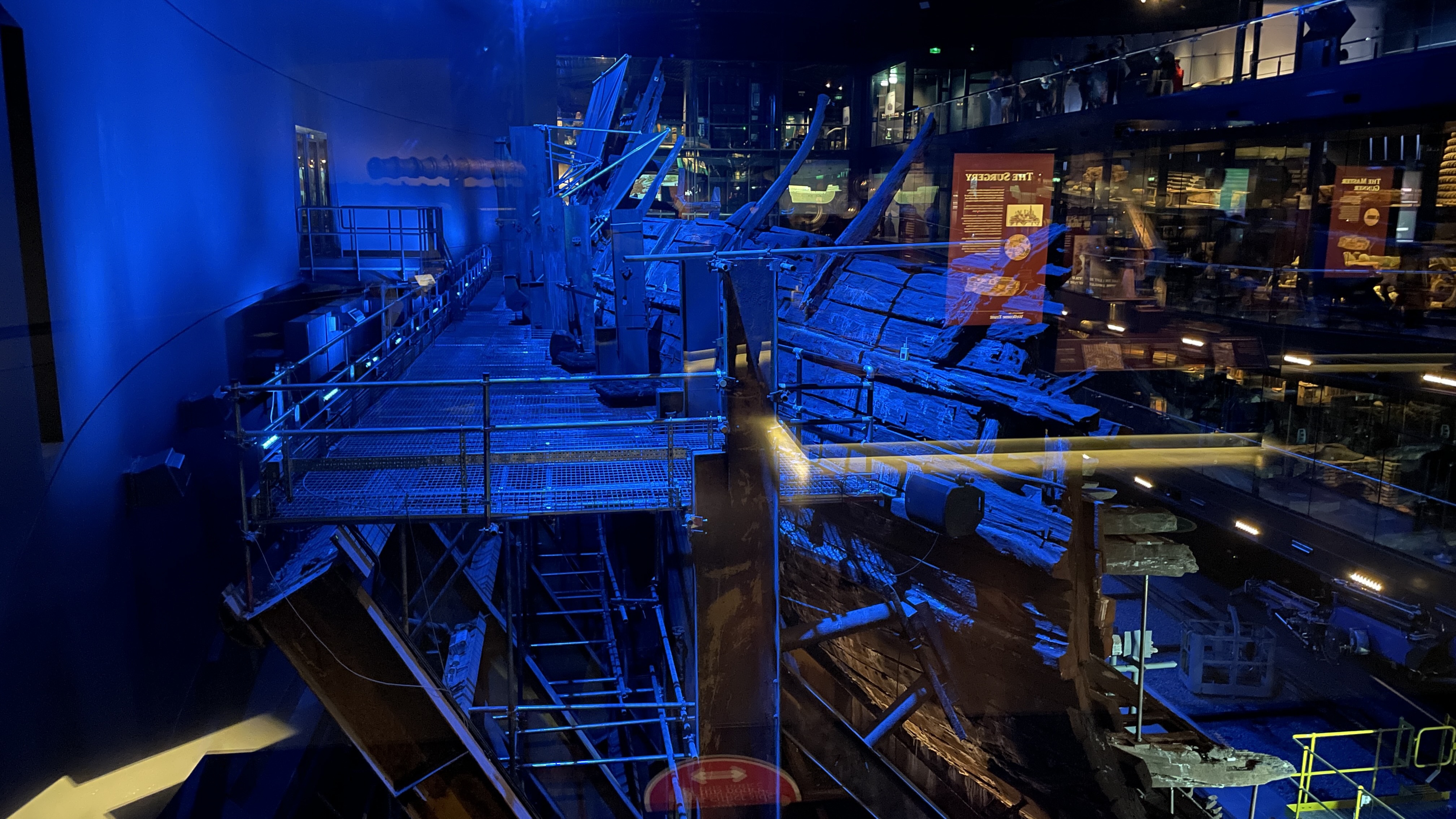
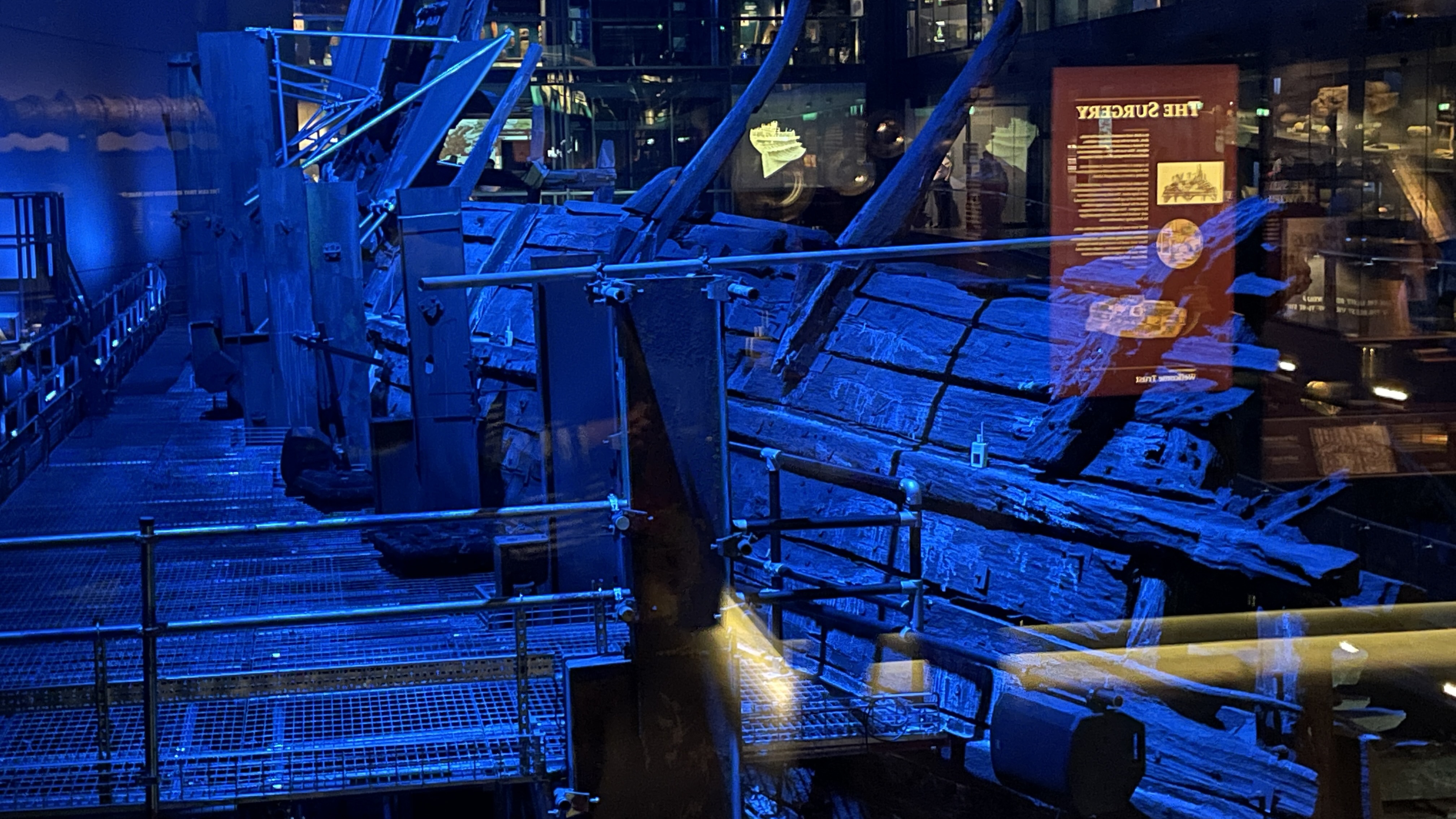
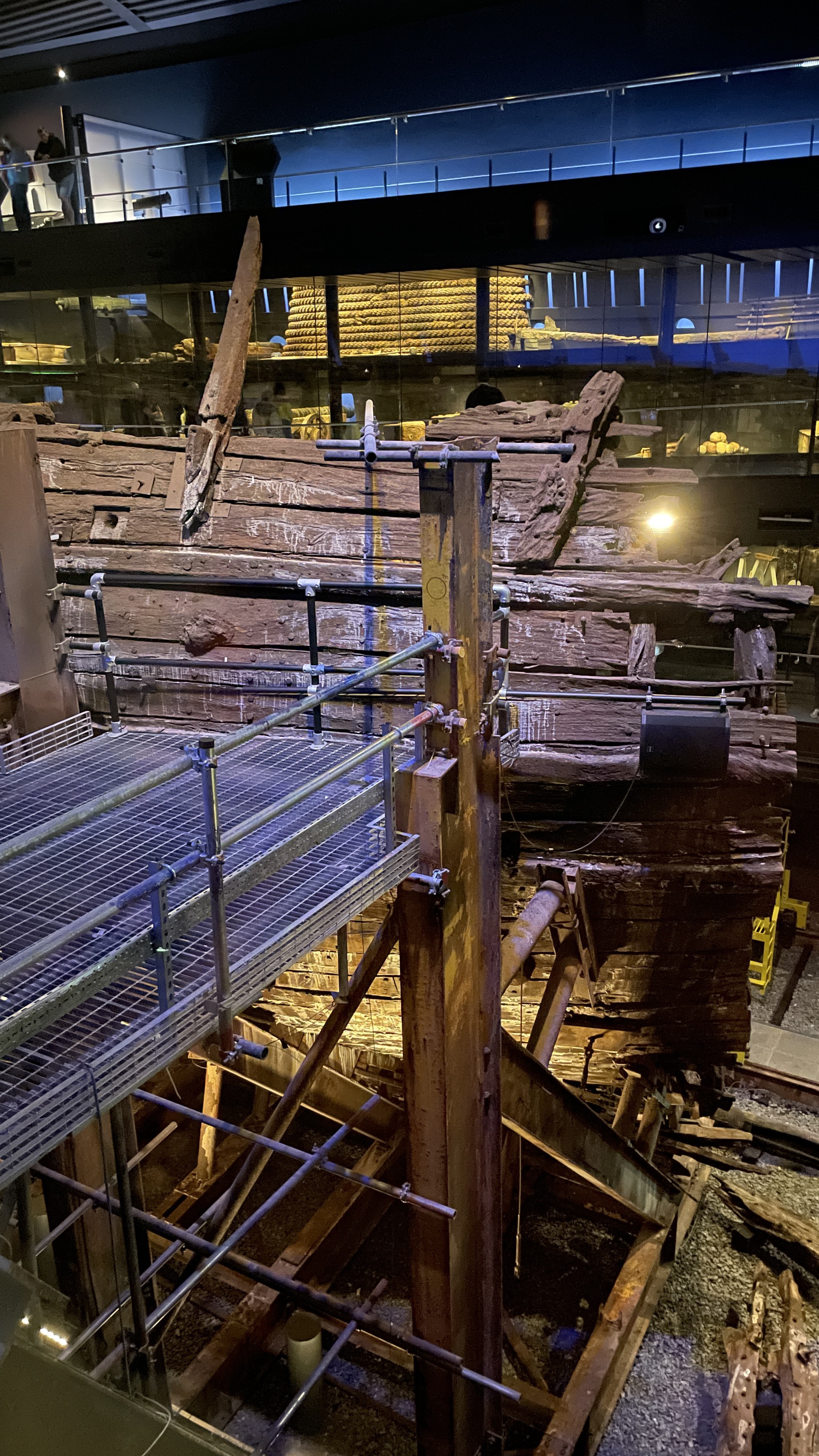
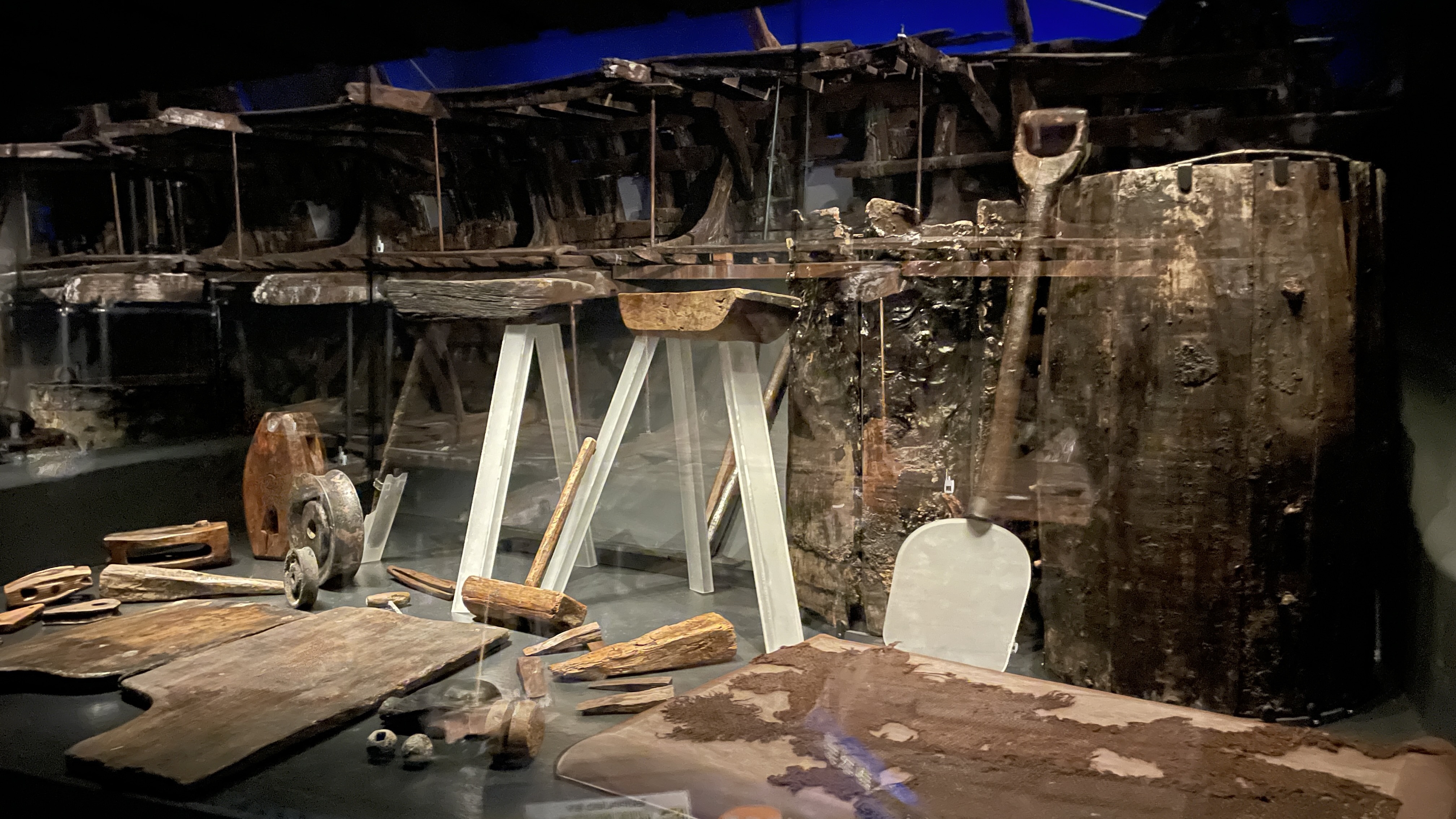
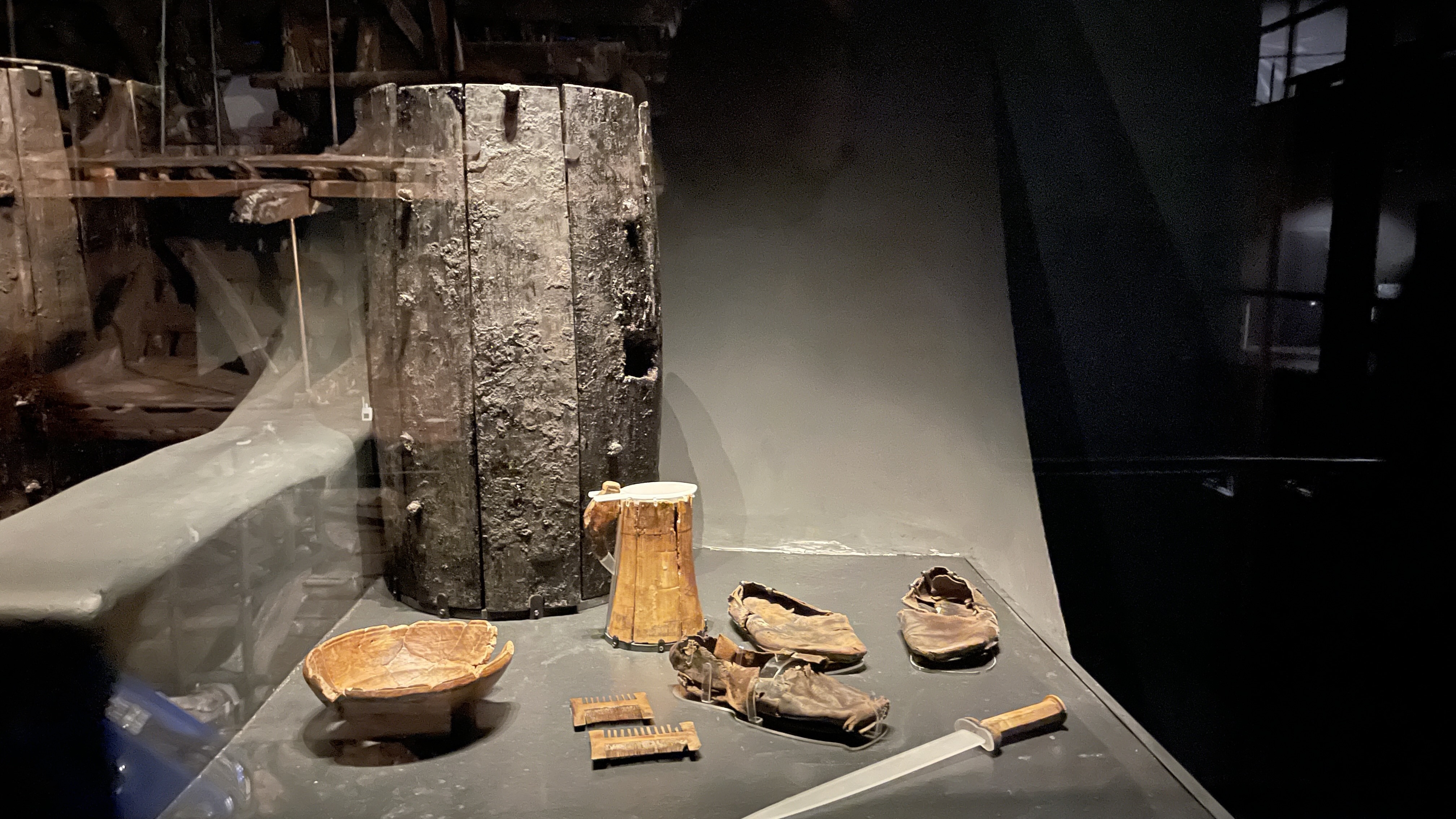
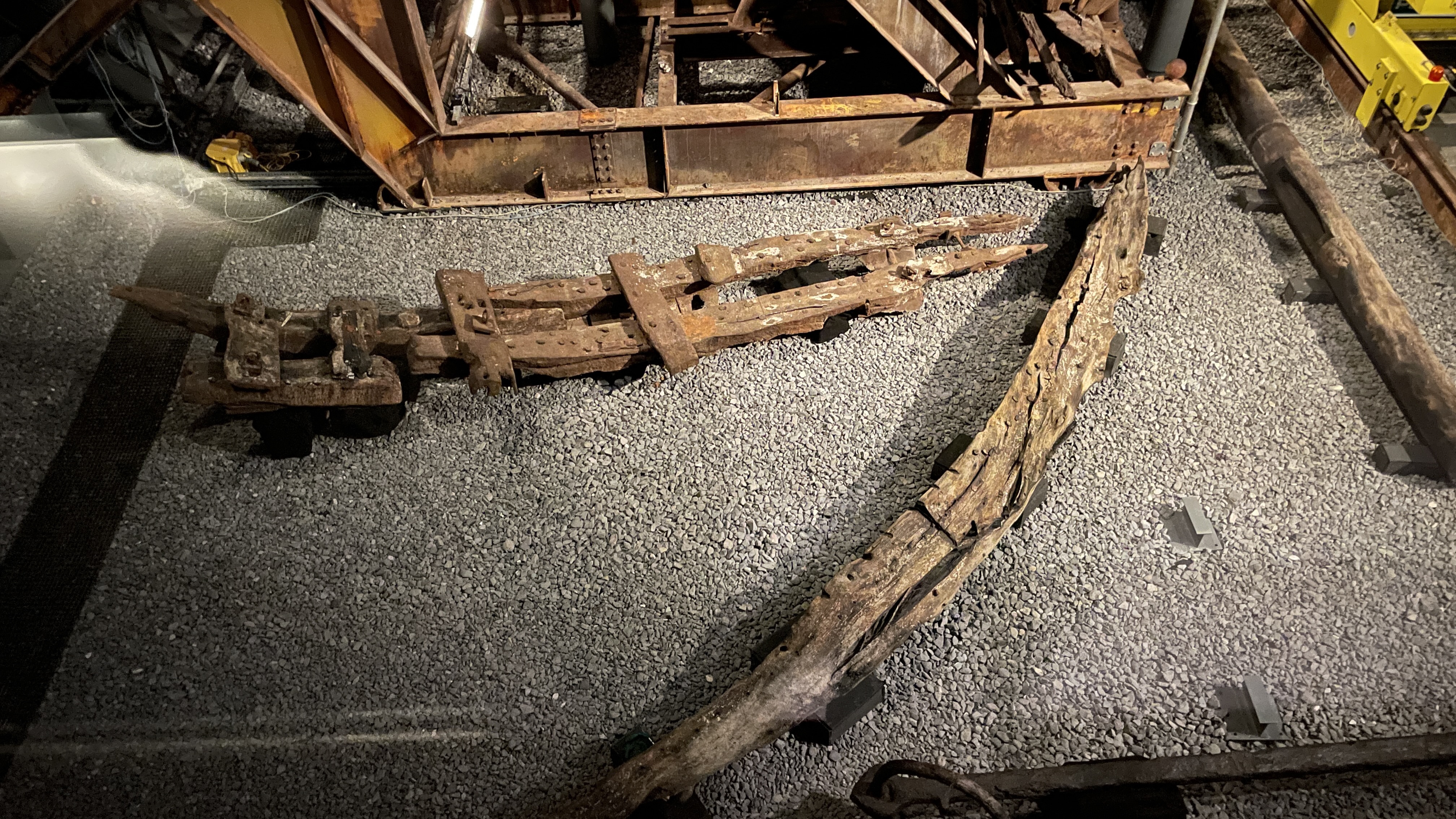
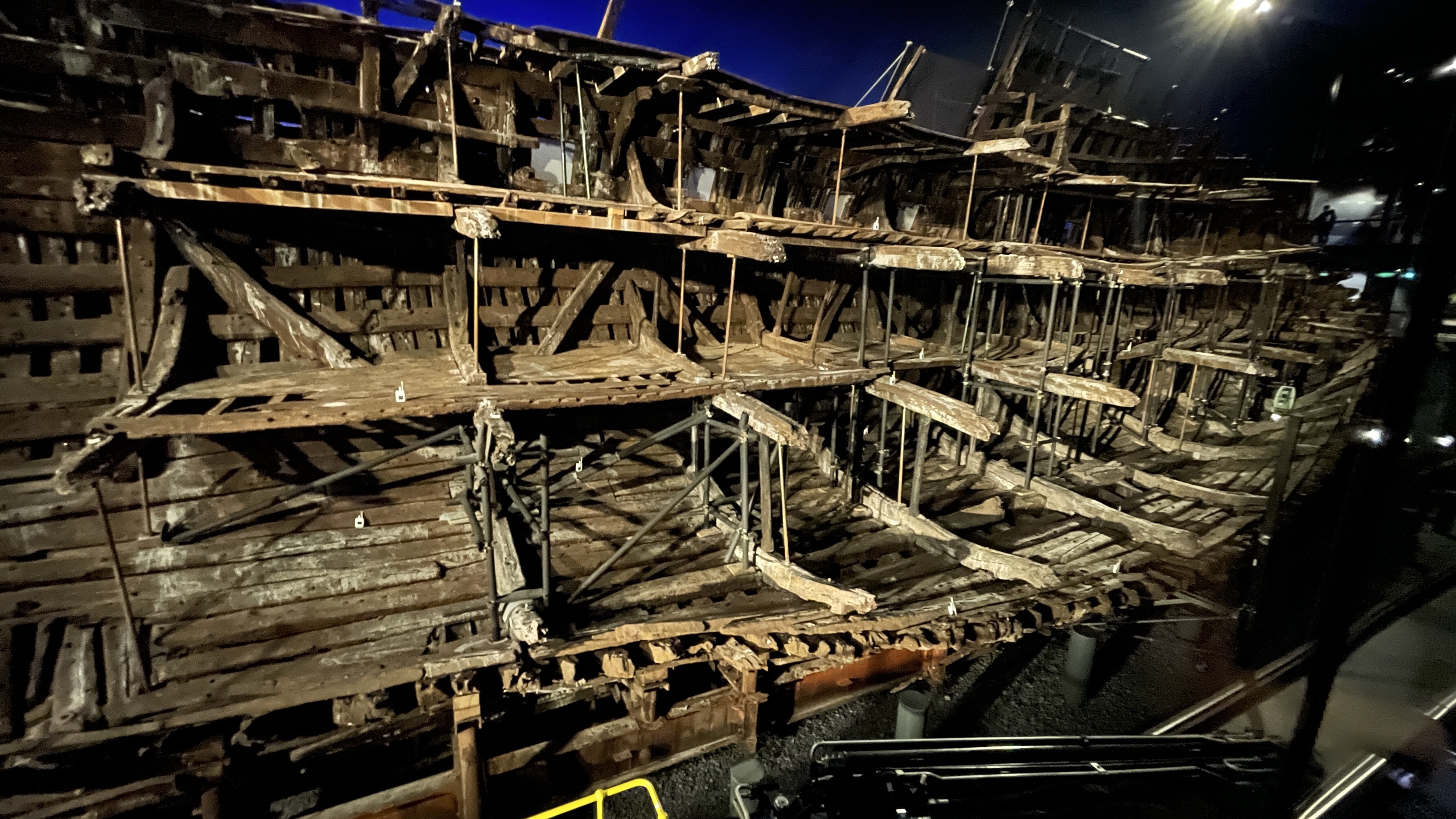
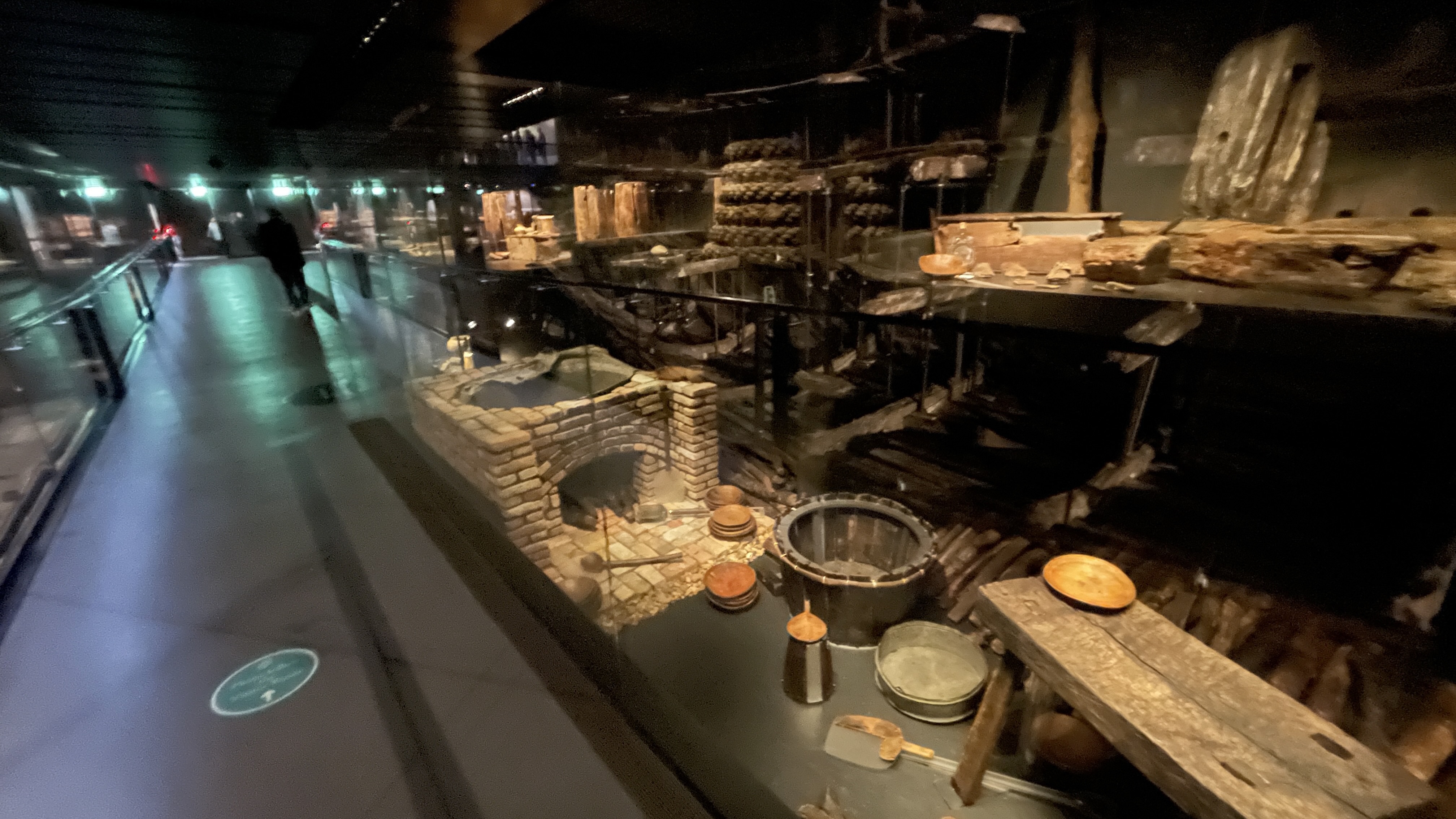
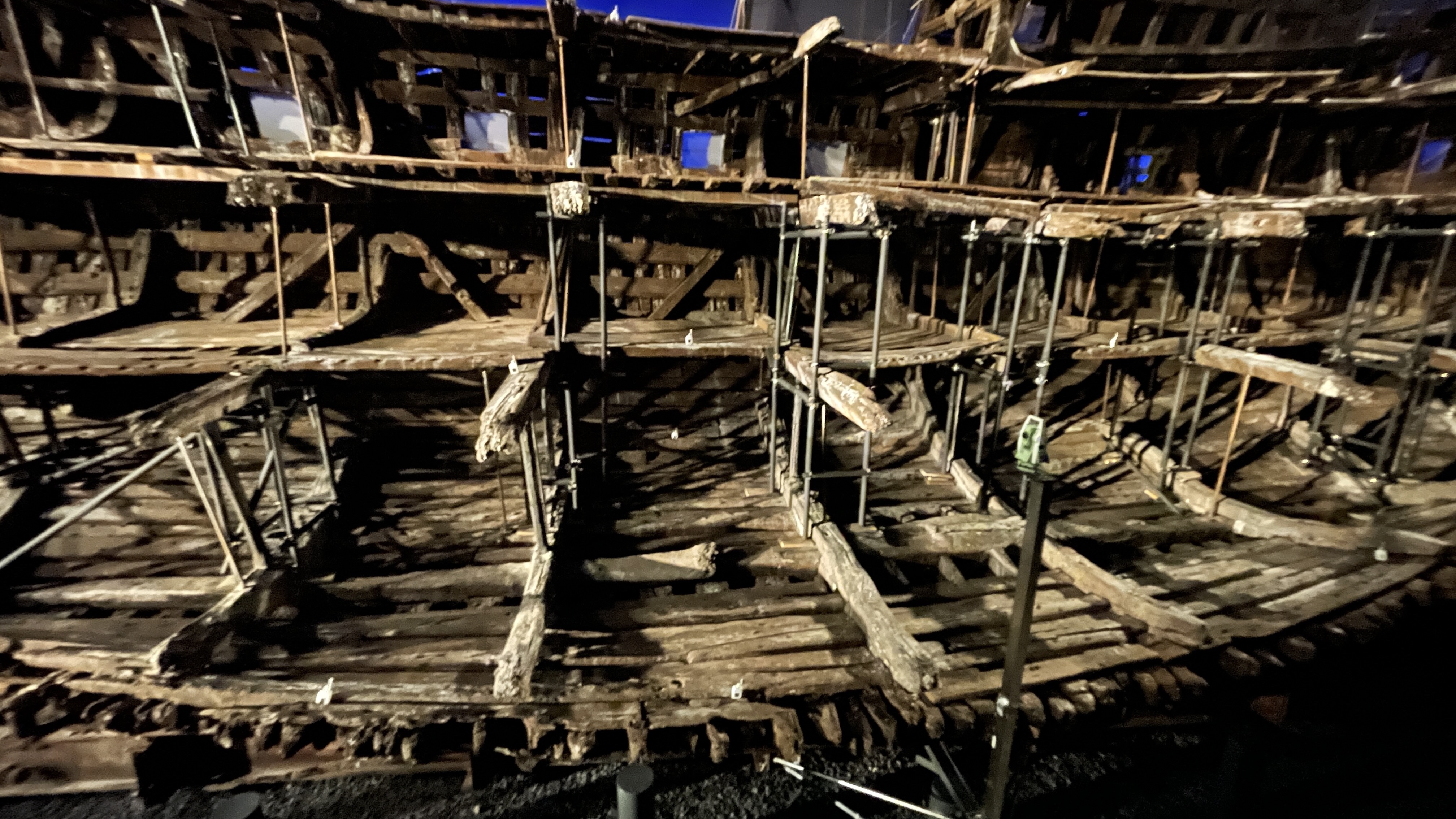
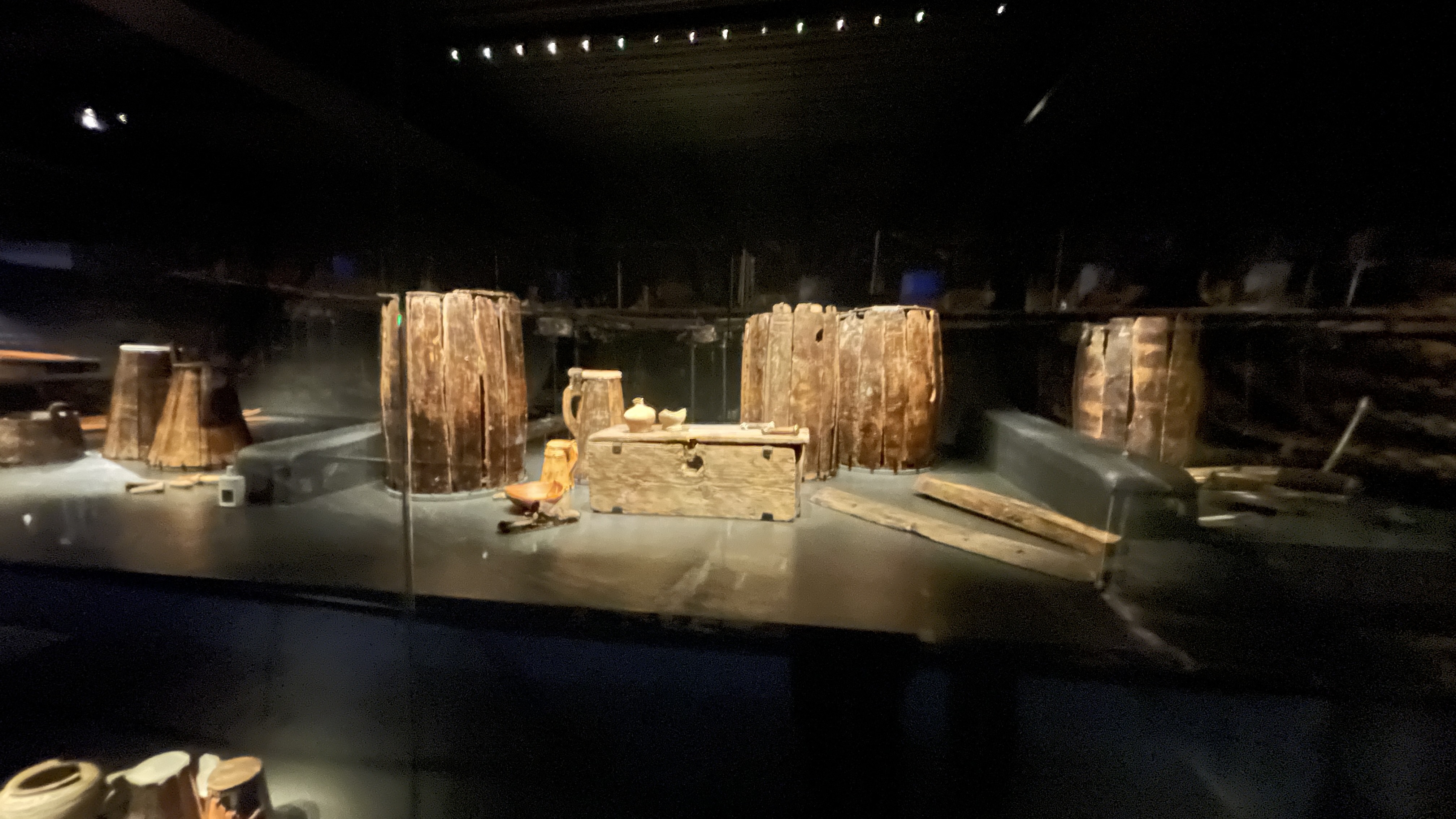
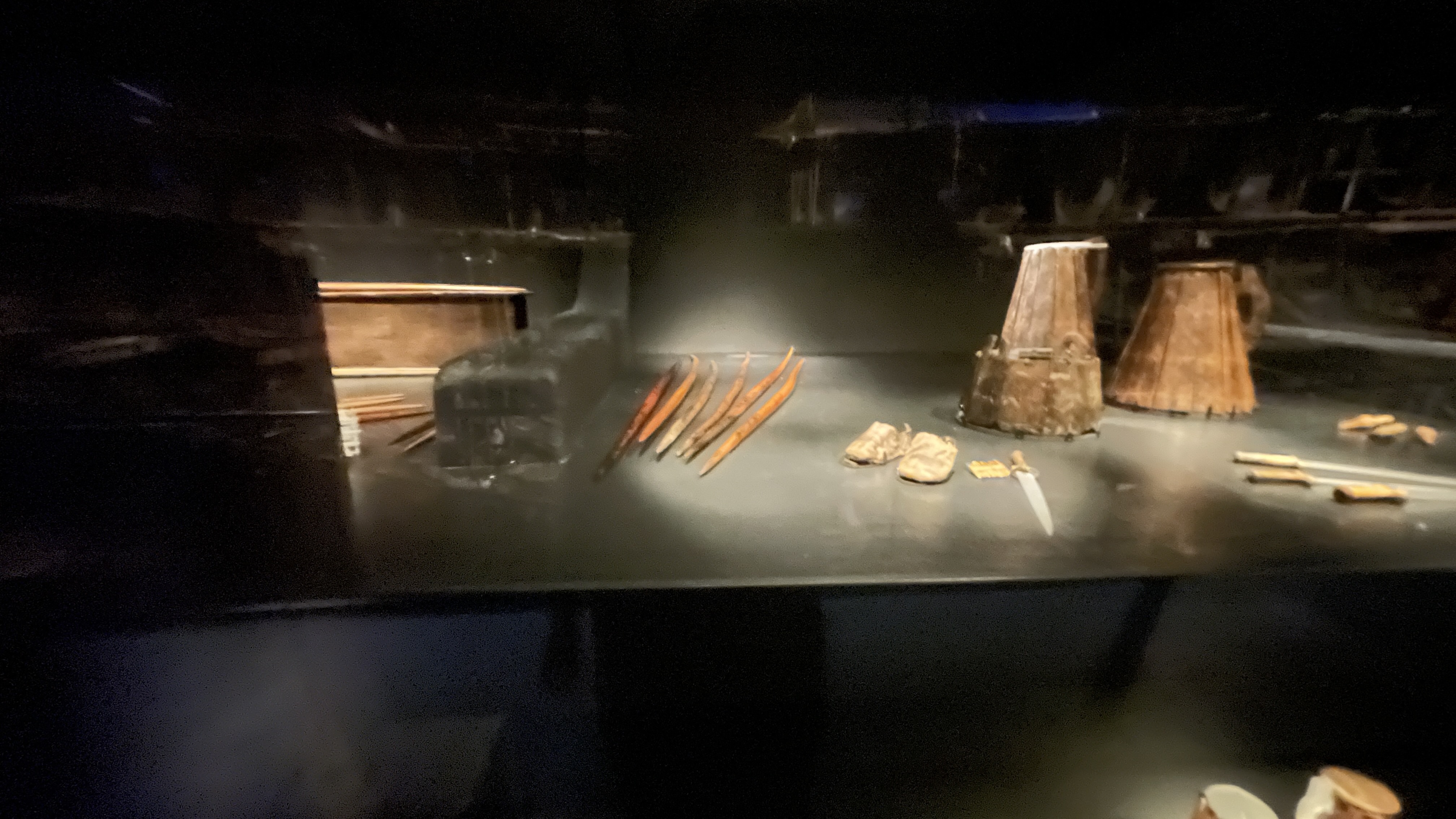
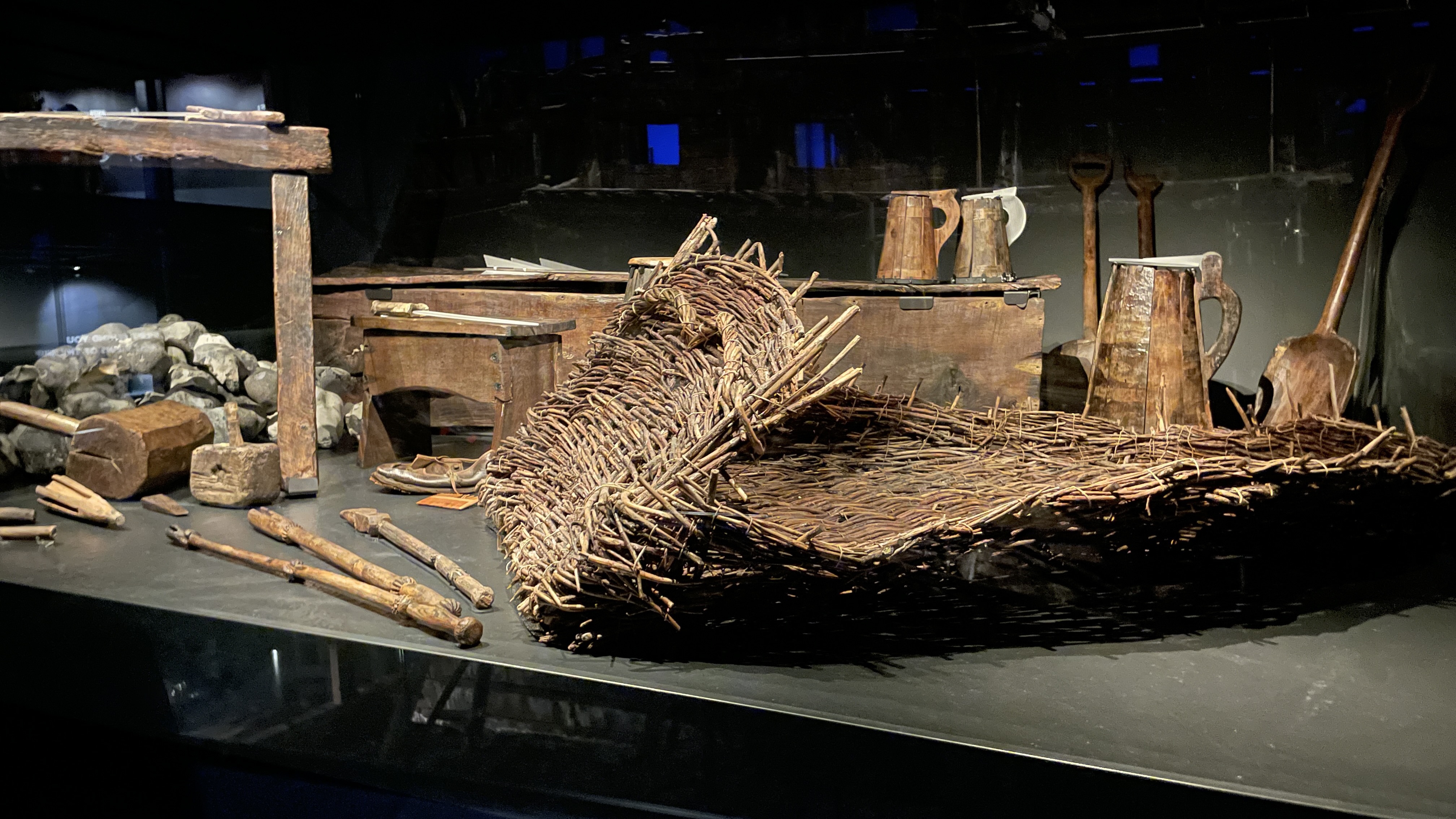
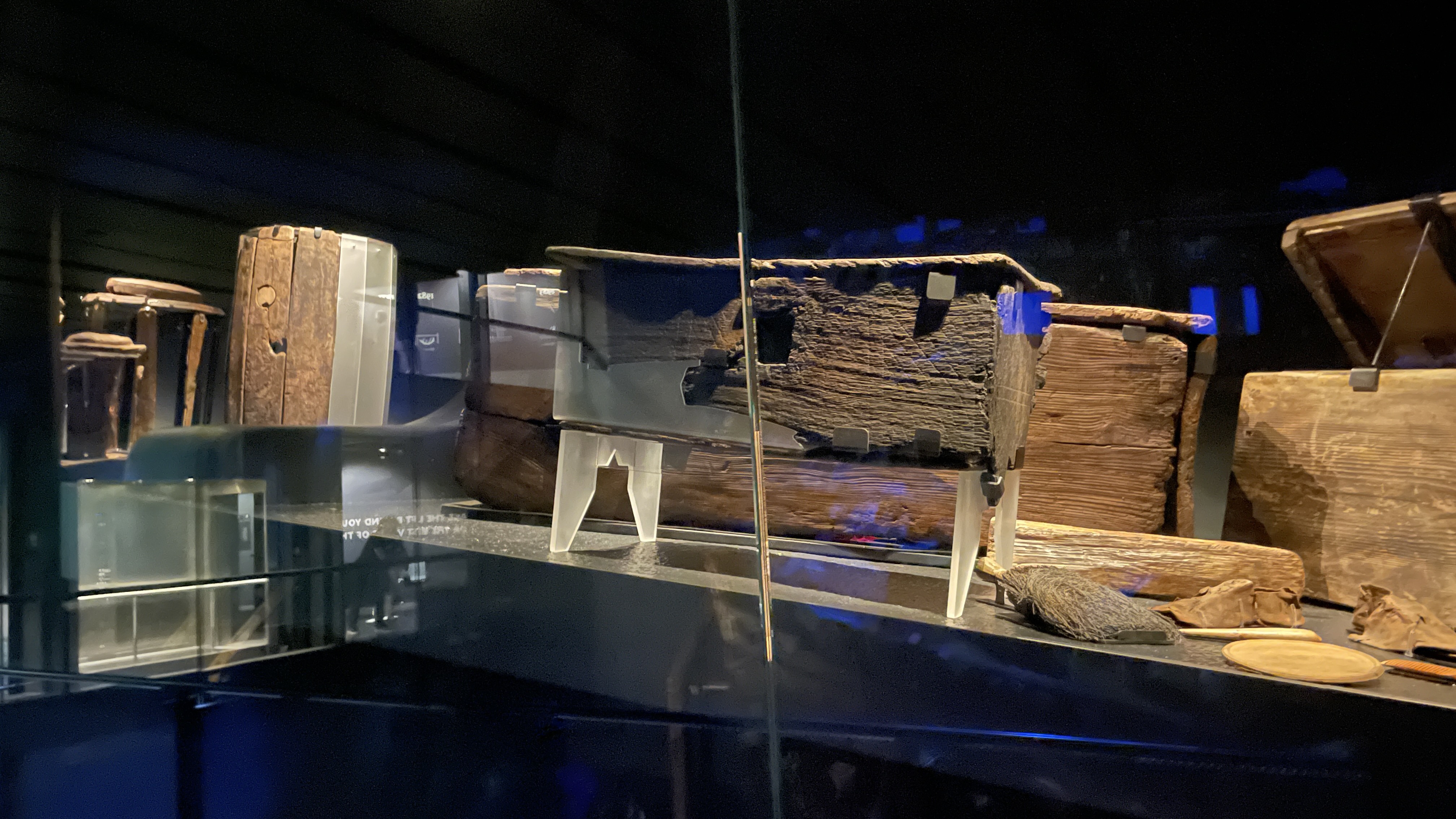
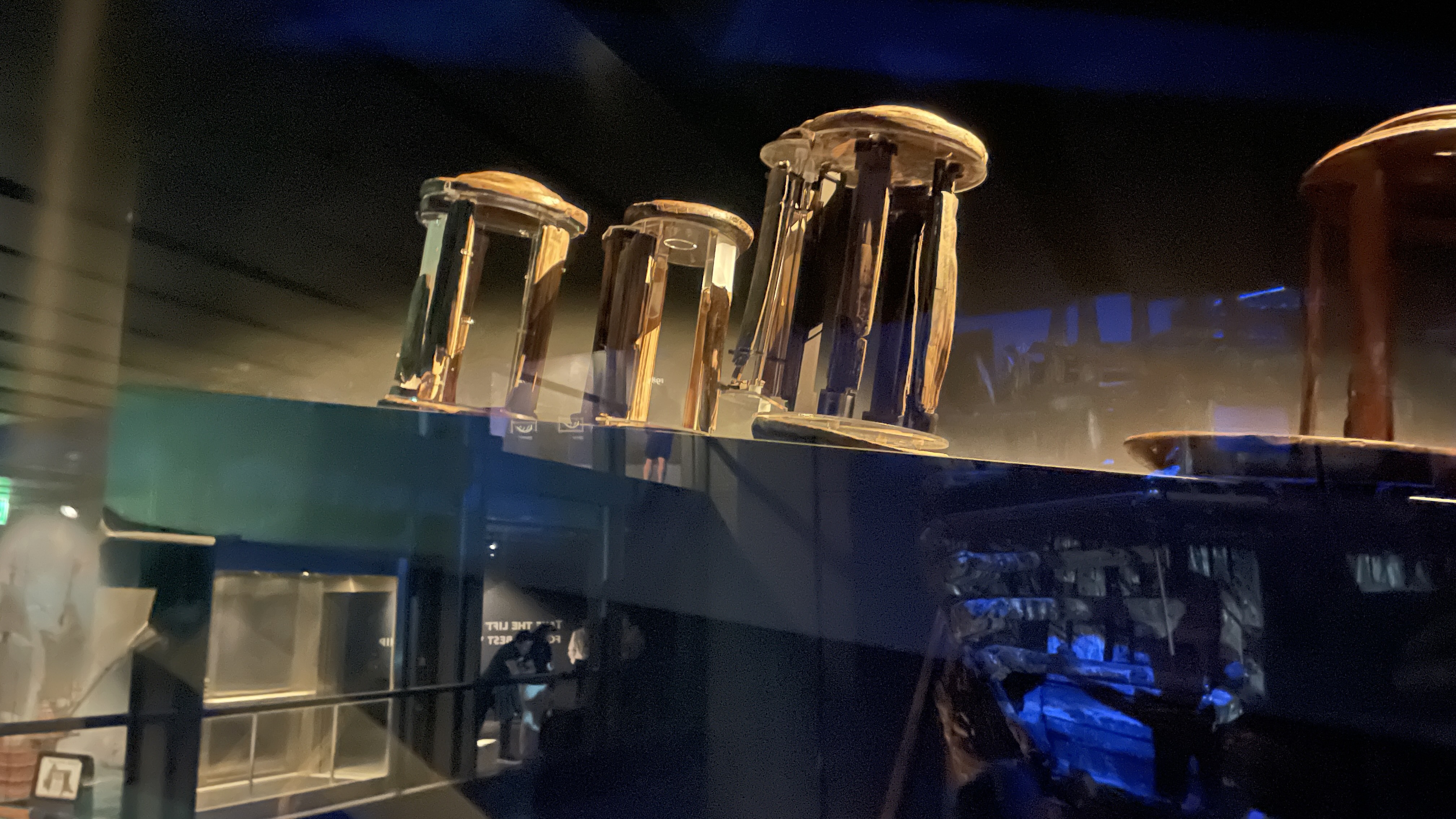
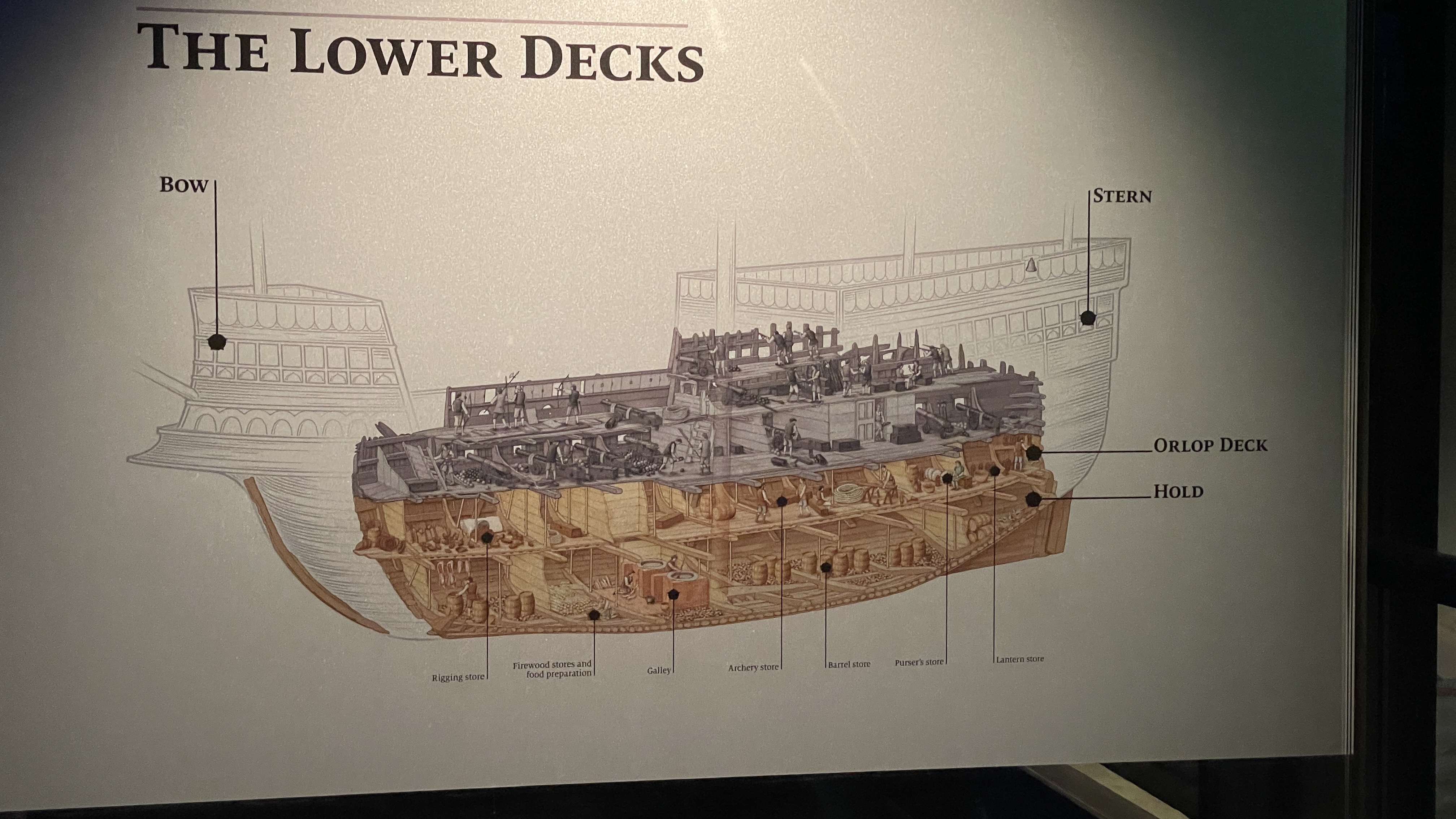
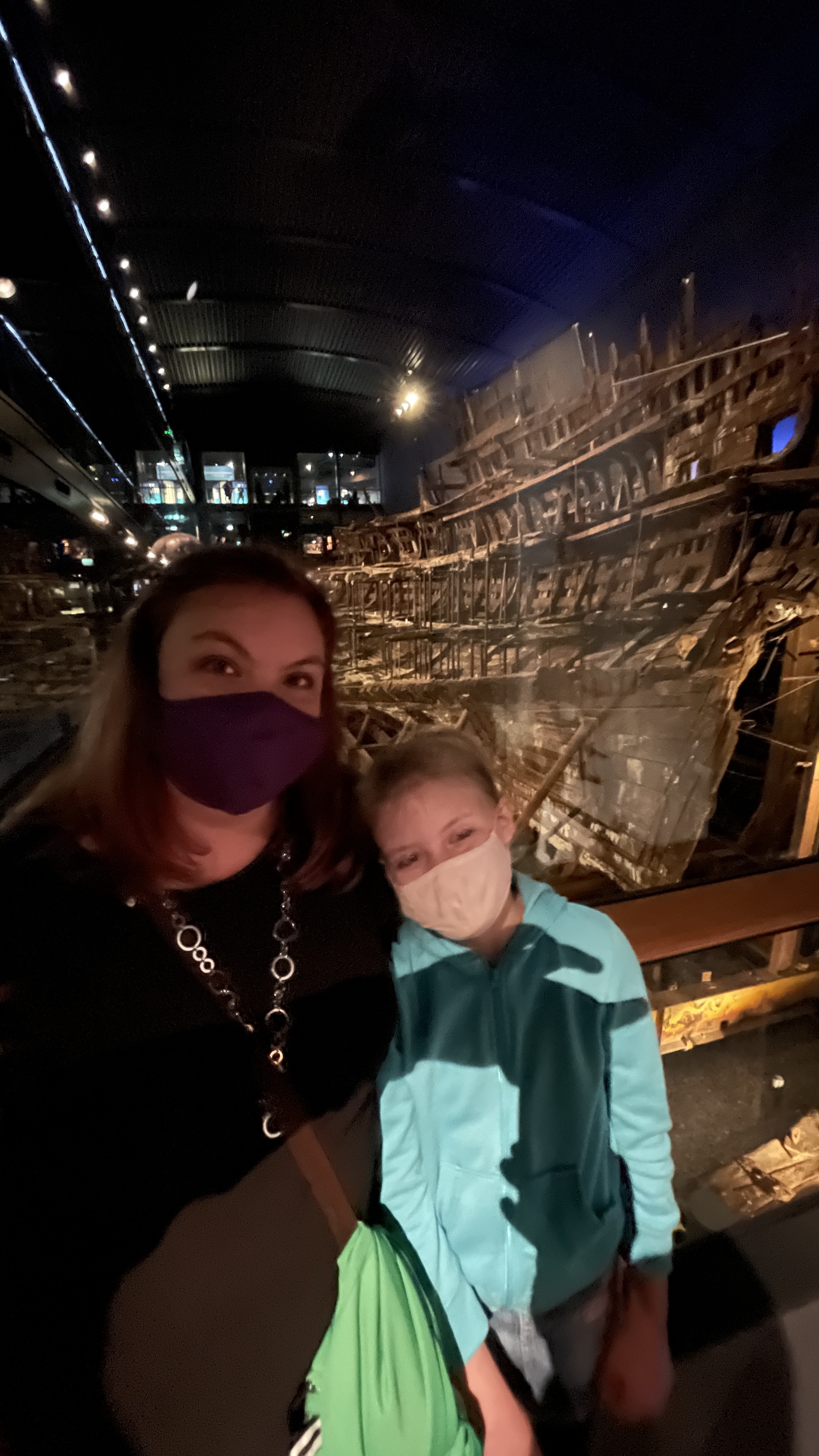
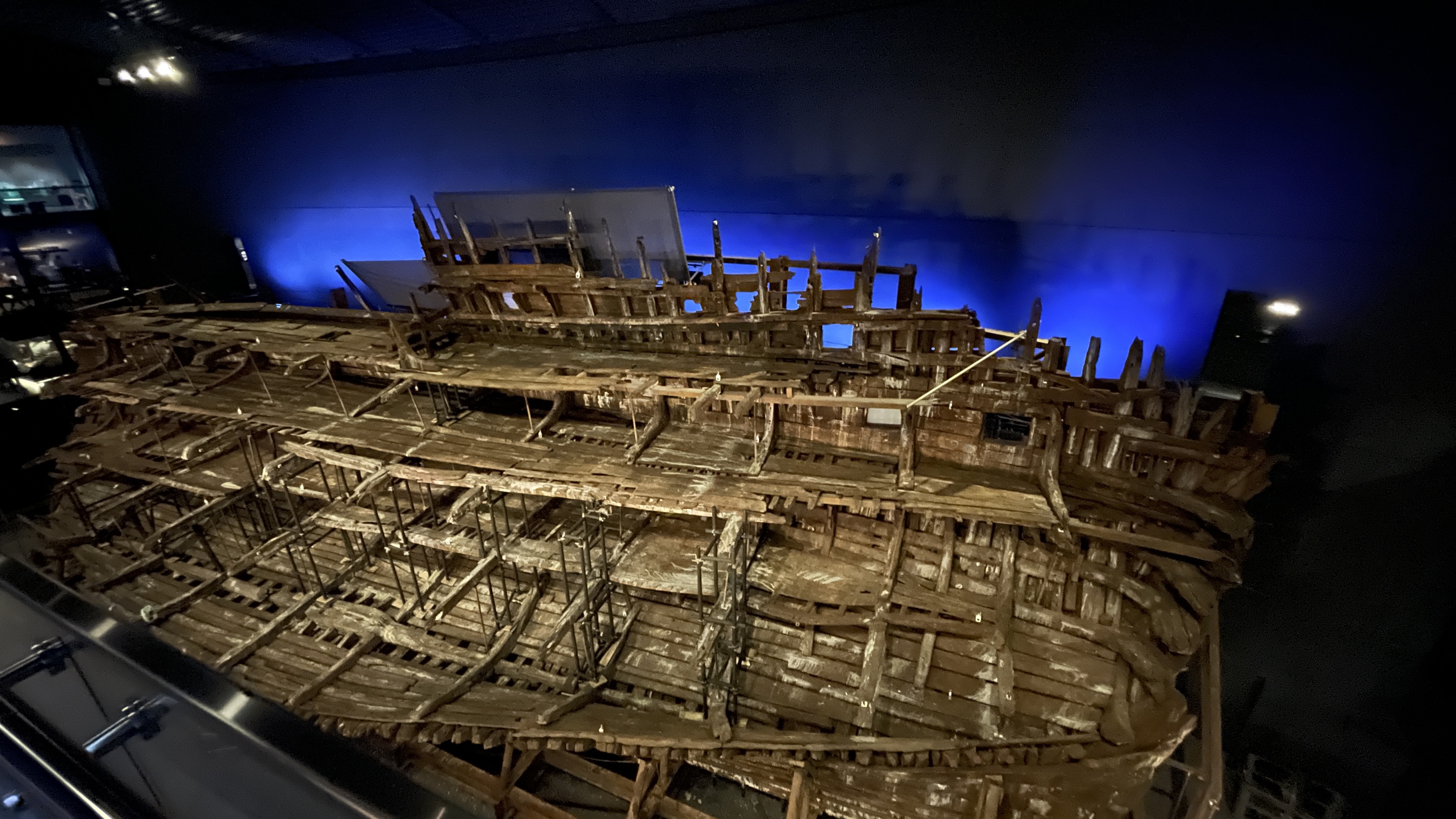
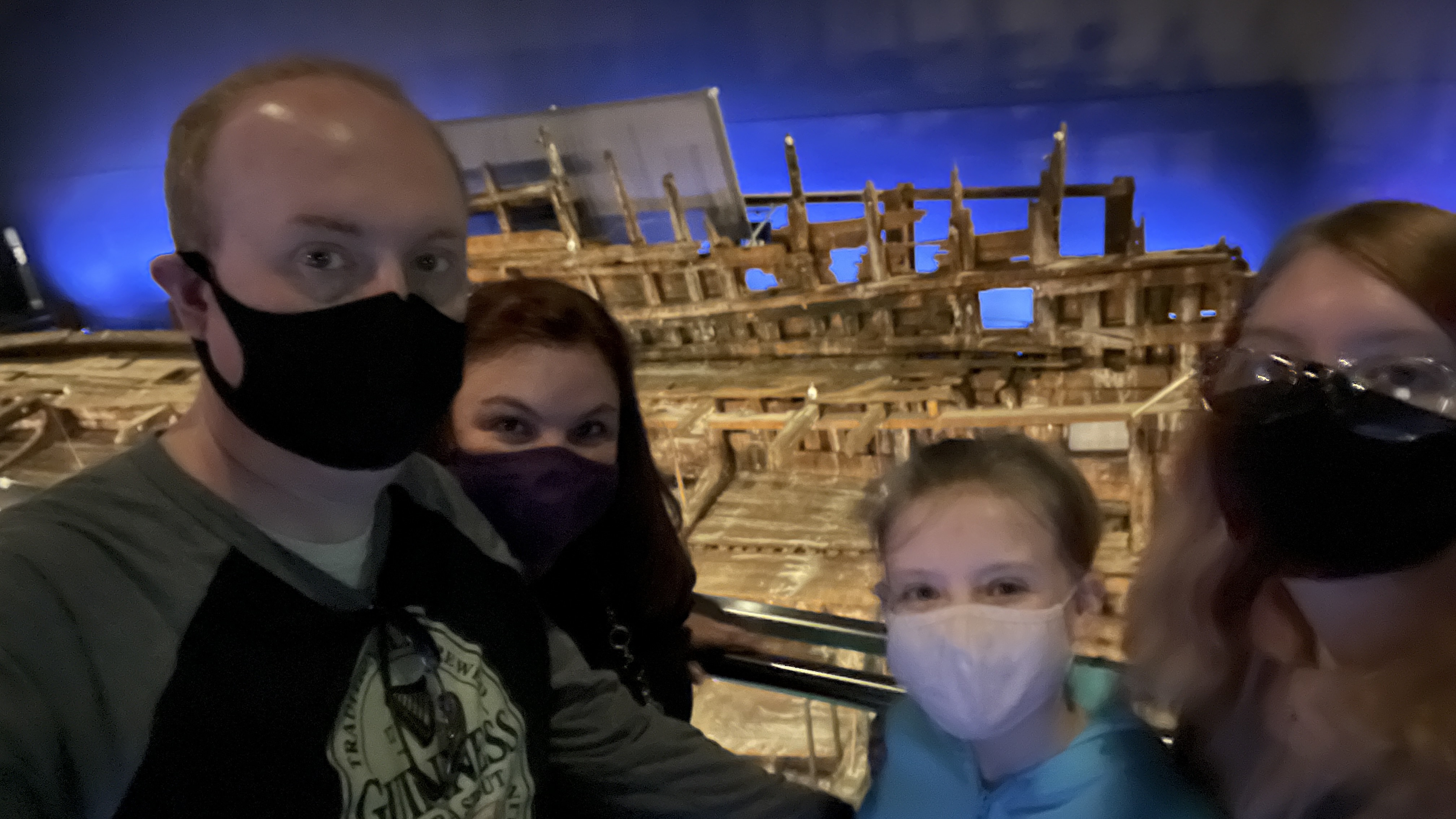
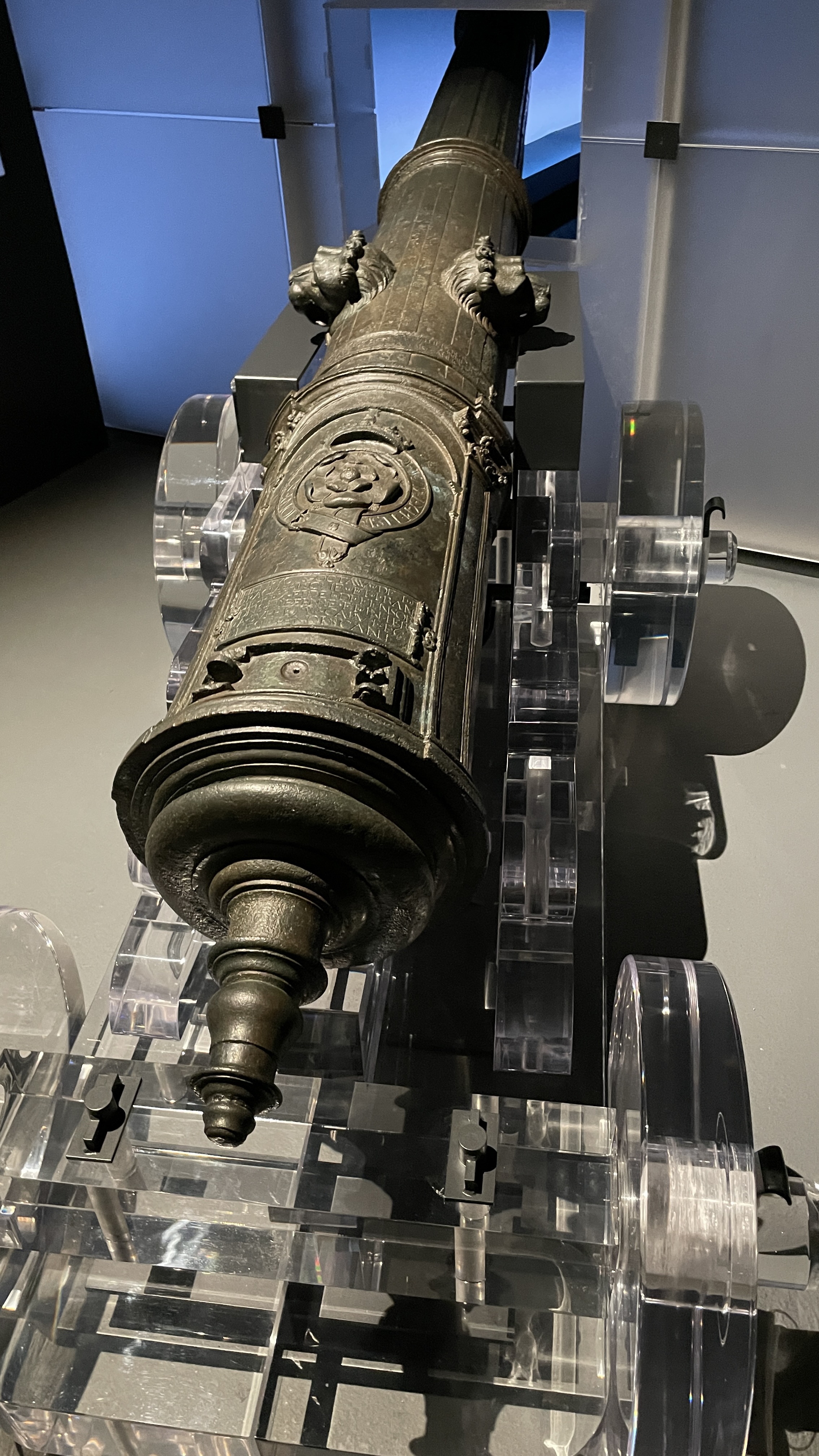
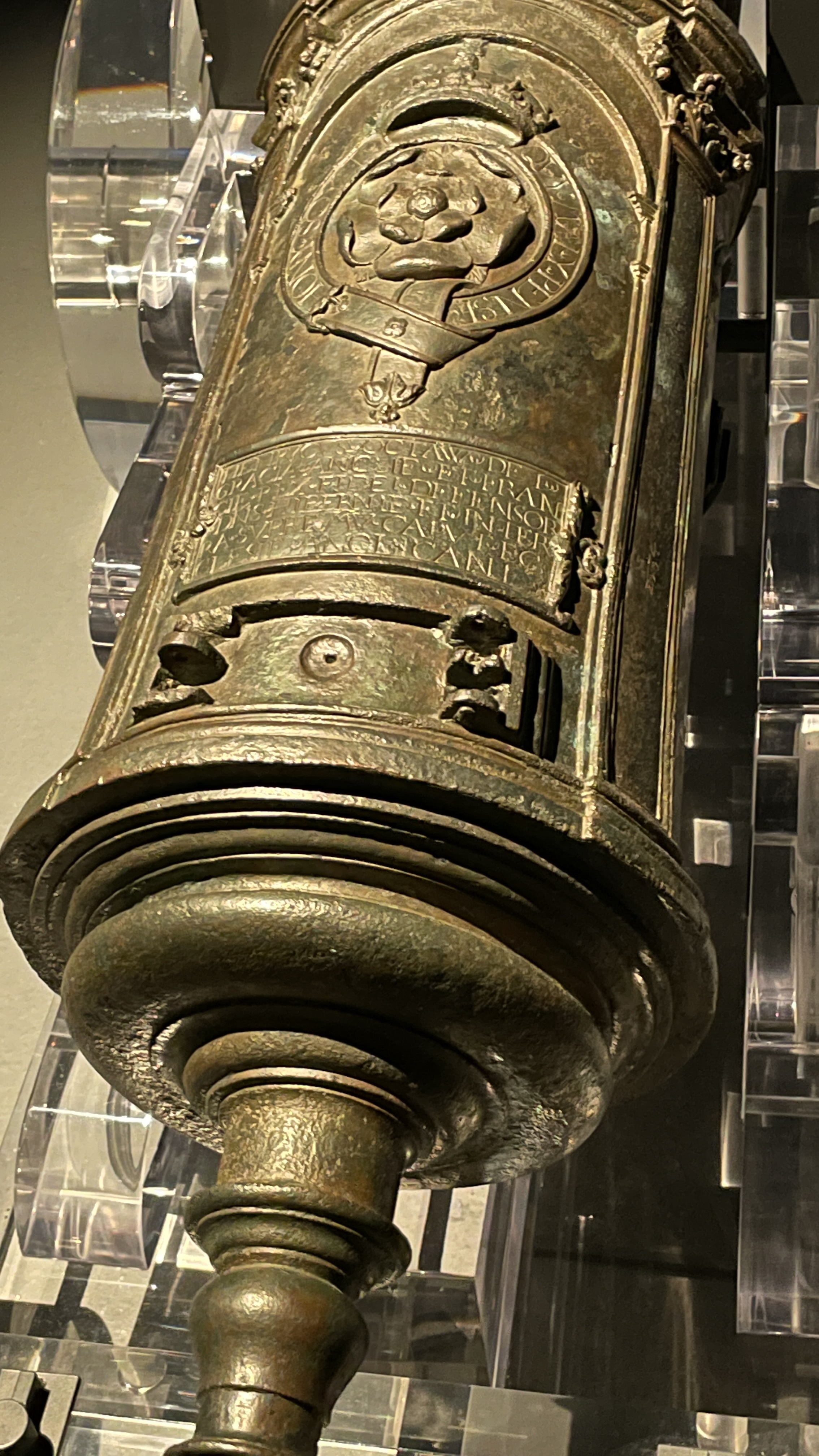
Inside are various galleries filled with artefacts recovered from the wreck, with the galleries surrounding a huge interior space that houses the ship itself. It takes a good couple of hours to get through the whole museum, but is well worth the time.
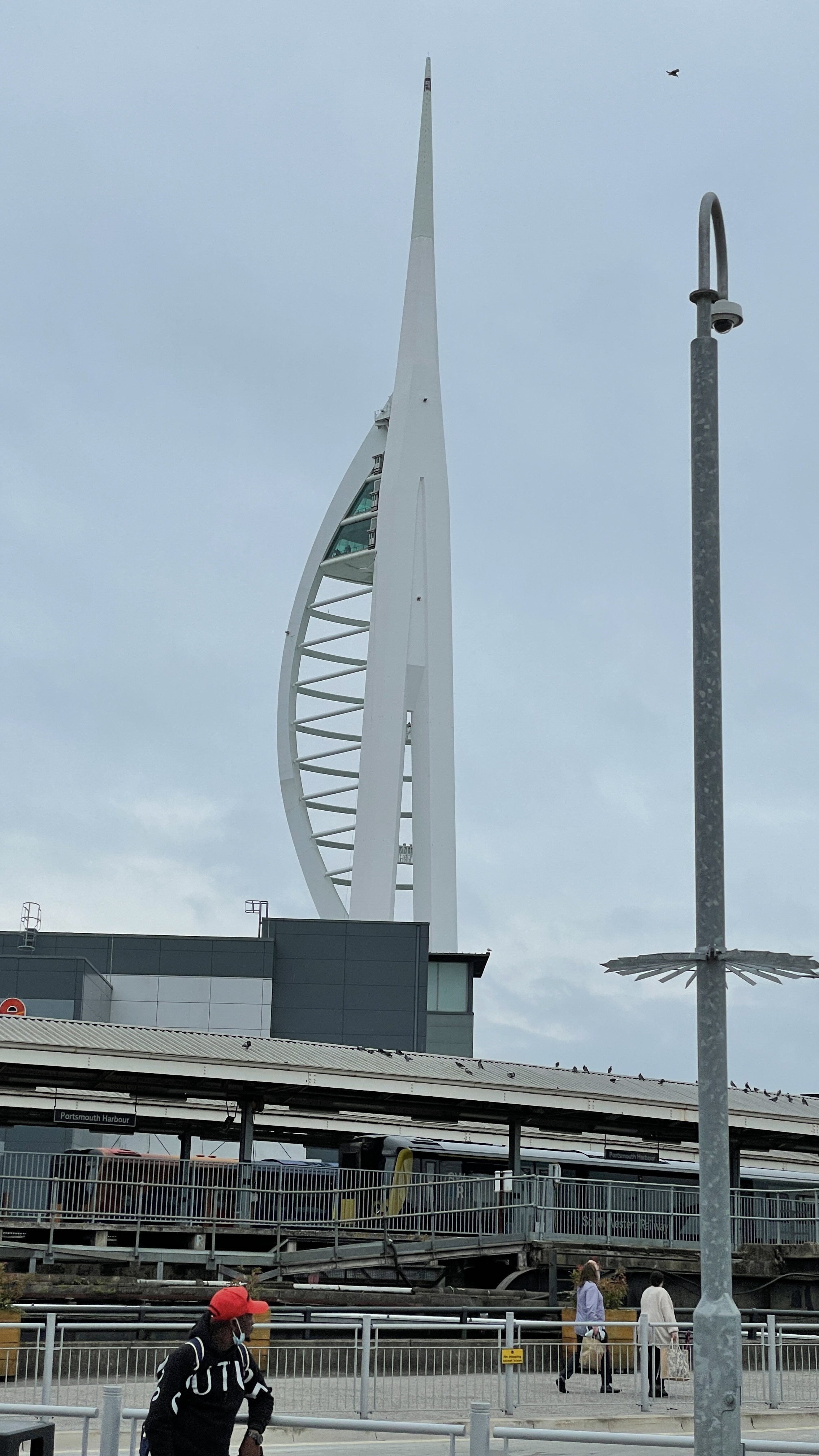
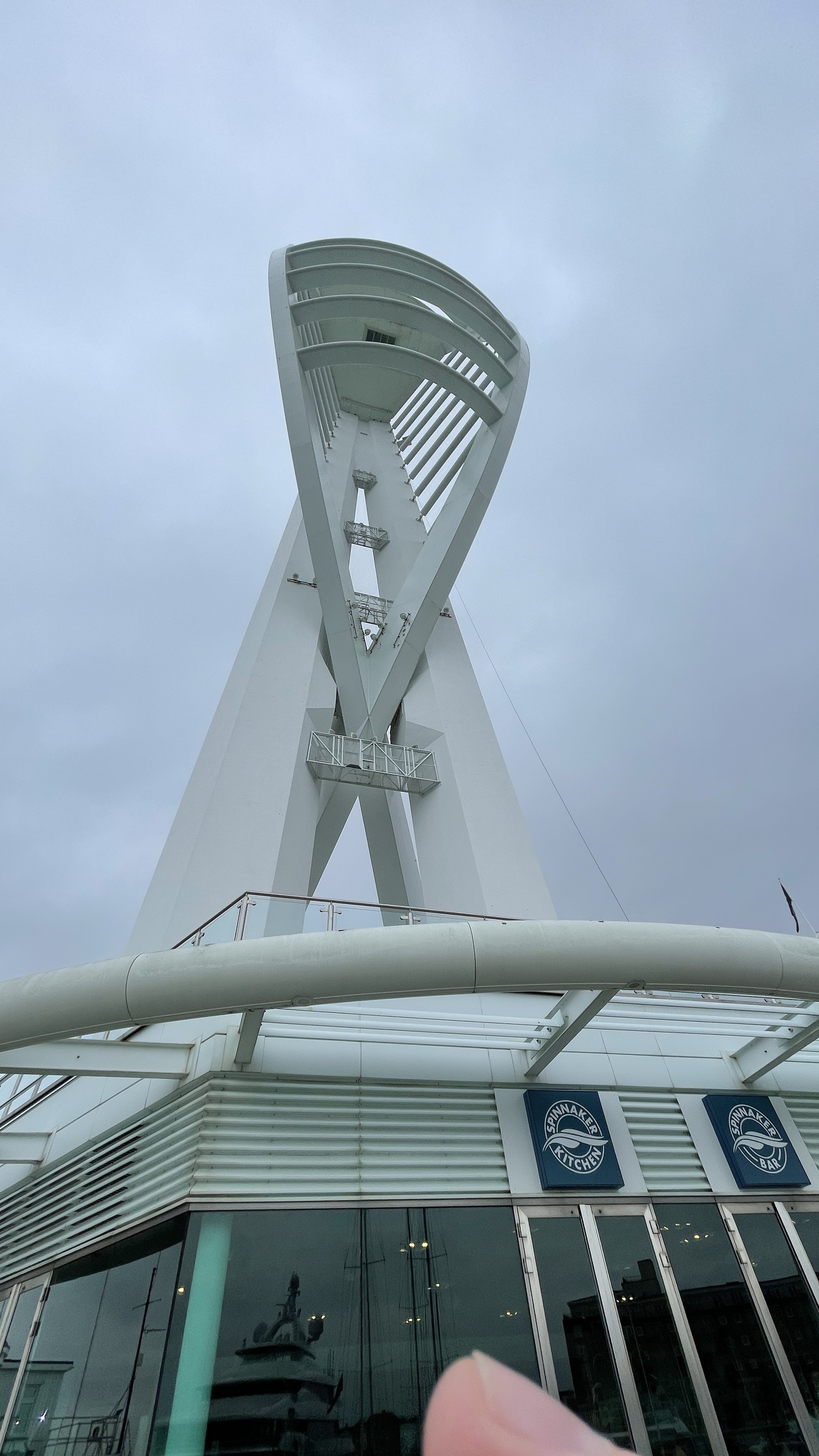
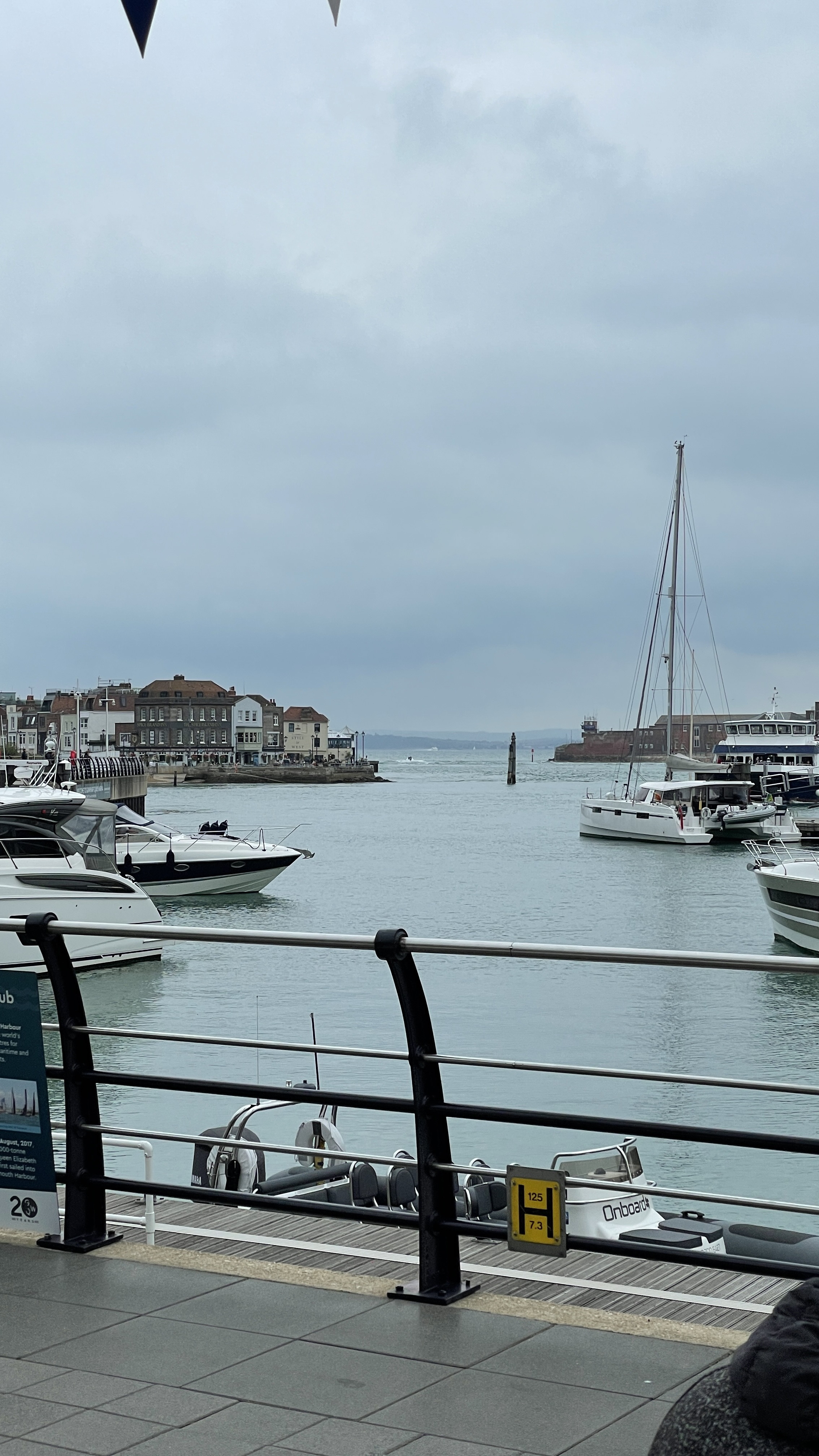
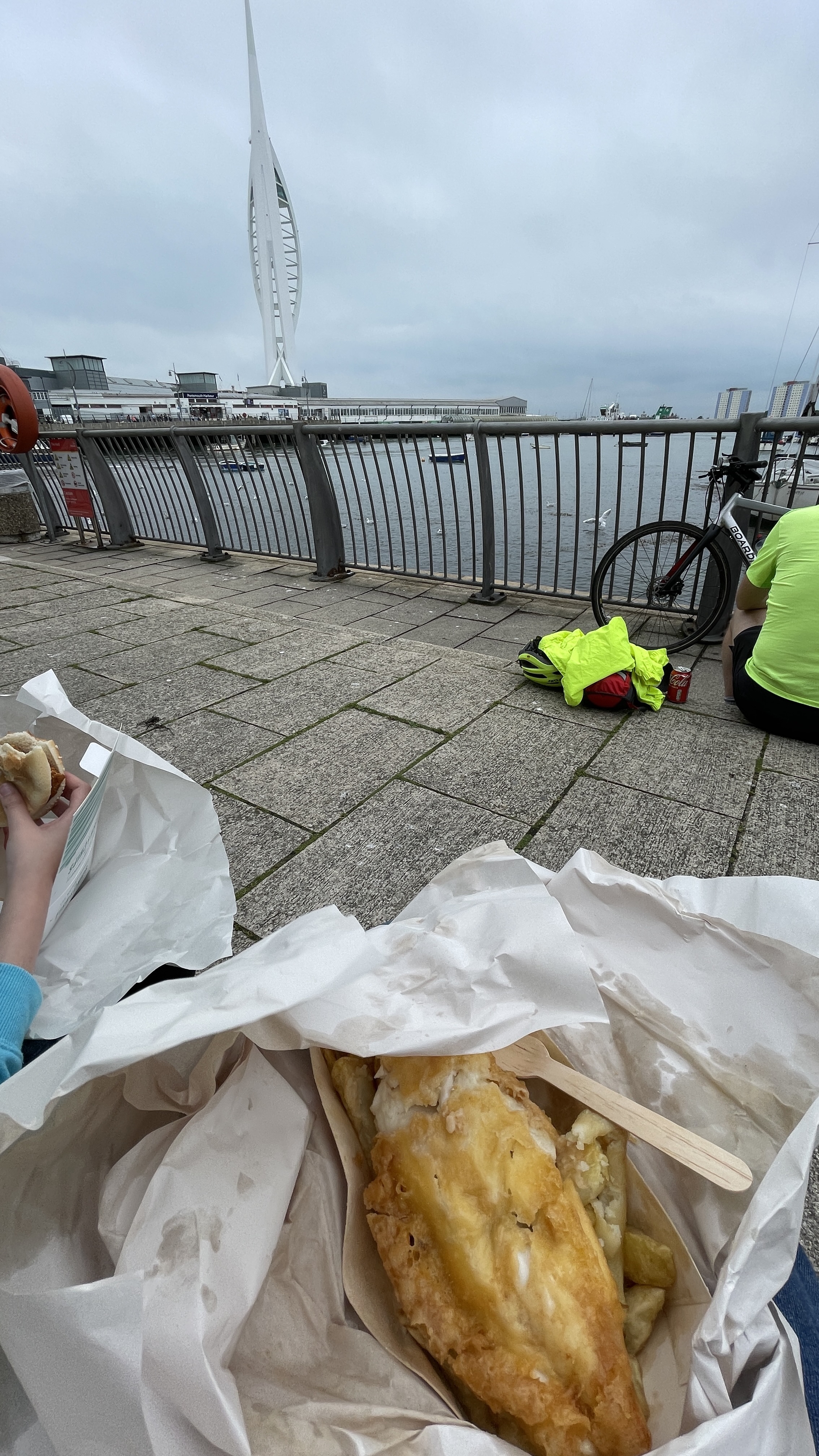
Afterwards, we wandered back out of the museum and had fish and chips overlooking the water before venturing into Gunwharf Quay, a local shopping district. The highlight of this area is Spinnaker Tower, a 560 foot observation tower overlooking the harbour. The views from the top are supposed to be spectacular, but honestly, the cost was more than we were willing to pay this trip.
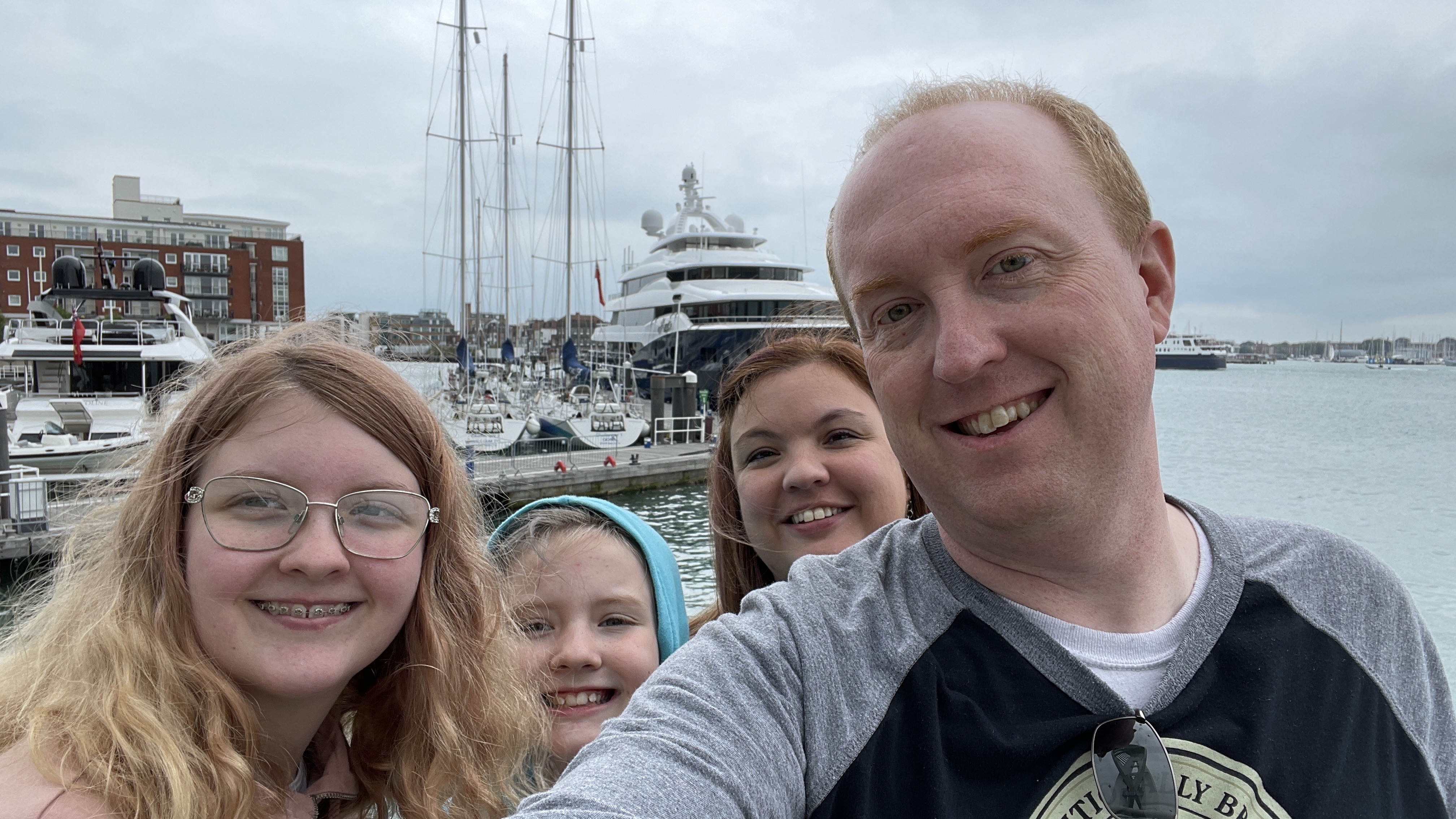
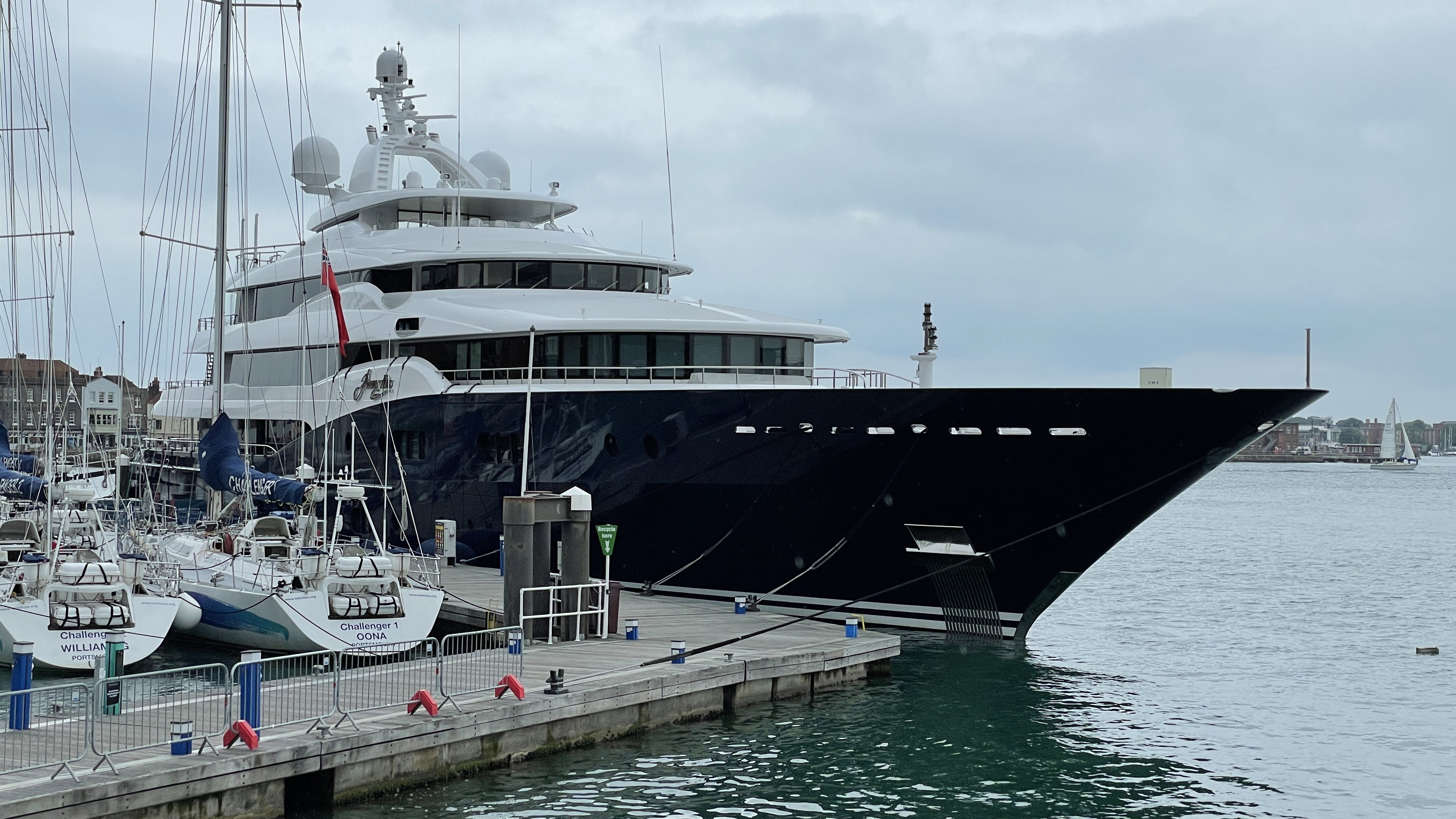
This trip showed us just a fraction of Portsmouth. We hope to get back soon to see more of the Dockyards and then the historic city center.
 Payne Family Live
Great pictures
LikeLike
Fascinating. I’ve read about the Mary Rose and would love to see it in person. Maybe someday if COVID ever gives up! Love you all. Happy belated birthday, Kyla!
LikeLike
Just imagine what it took to build that ship back then!!
LikeLike
Love the pictures. So good to see all of you! ❤️❤️❤️❤️
LikeLike
Great pictures. I can’t believe how grown up your girls are now!
LikeLike
Oh my goodness, those are amazing pictures. I can’t believe they have recovered this much, thank you so so much for sharing these. Caroline Peterson
On Sun, Aug 22, 2021 at 4:15 PM Payne Family Live wrote:
> Adampayne posted: ” Ok, boys and girls, gather ‘round. Today I’m going to > tell you the story of an ill-fated ship called The Mary Rose. The Mary Rose > was launched in 1511 as a warship by Henry VIII. It was the pride of his > fleet. Originally rated at 500 tons, it had bee” >
LikeLike
Happy belated birthday to Kyla from Rah Rah Rockport 🥳
LikeLiked by 1 person